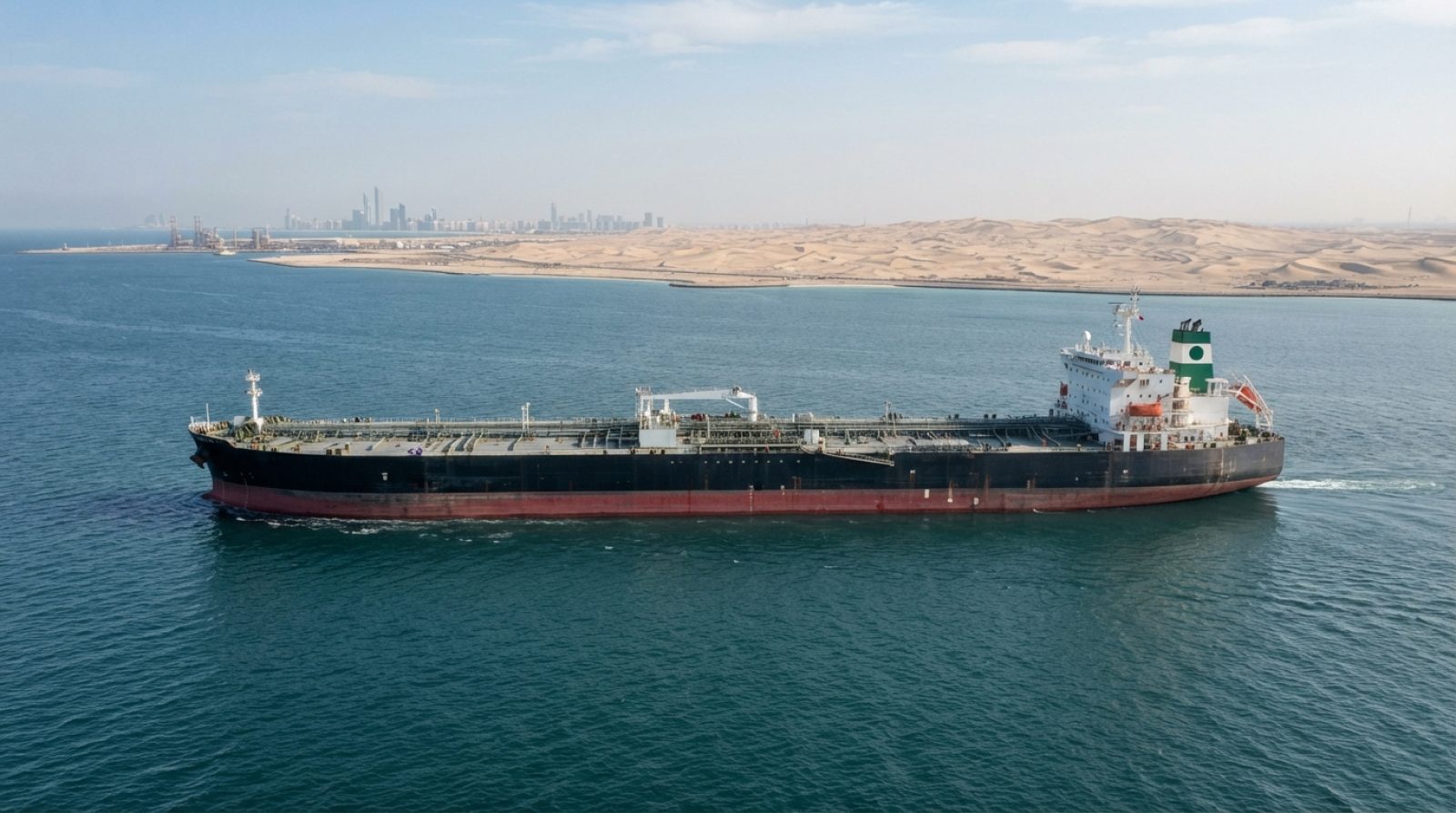
Middle East crude flows traversing the Strait of Hormuz reached a seven-day average of 14.2 million barrels per day on September 26, returning to nearly 80% of pre-war levels, according to data from analytics firm Kpler cited in a Reuters commentary by Ron Bousso. Final tracked volumes may be revised upward because vessels frequently disable satellite transponders while navigating the waterway.
Despite the significant rebound in physical crude shipments, Brent crude continues to trade above $100 per barrel. The analysis notes that elevated energy prices are now being driven primarily by logistical snarls across the supply chain—including record-high tanker rates, surging maritime insurance expenses, and constrained refining capacity—rather than an outright lack of crude supply.
Global oil routing shifted significantly following the outbreak of hostilities on February 28, prompting regional producers to deploy alternative transit routes. Saudi Arabia diverted substantial volumes through its East-West pipeline to the Red Sea port of Yanbu, a corridor that handled 4% of total global oil supplies at one point during the year.
Sources
- reuters.com · 2026-10-05