
- Affected country
- —
- Location / route
- —
- Official source
- —
- Published by source
- —
- Effective period
- Not stated
- Last verified
- — — verification pending
- Status
- Active
Summary of official information. Always check the official source and follow the guidance of the authorities. UECN does not issue risk ratings; the absence of an alert does not mean that a destination is safe.
- Issuing authority
- UAE immigration authorities
- Jurisdiction
- United Arab Emirates
- Publication date
- October 15, 2026
- Stage
- Draft / consultation
- Official source
- news.google.com
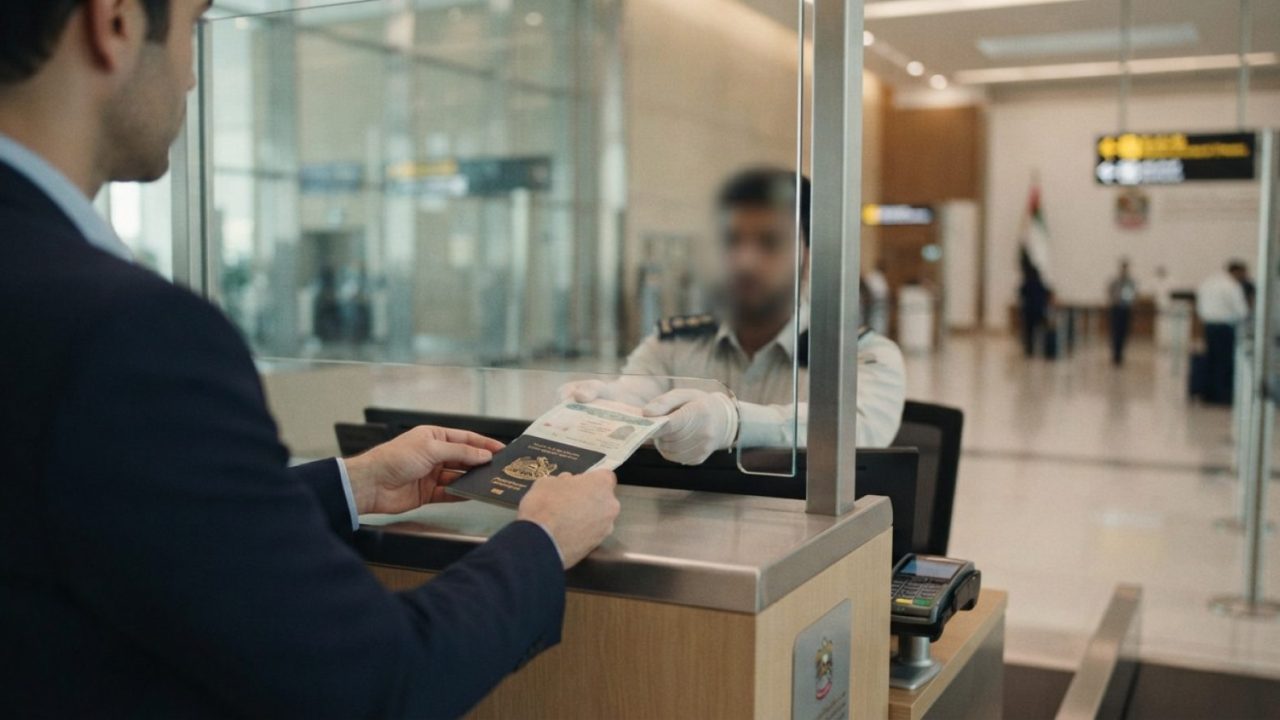
Nepali nationals travelling to the United Arab Emirates on visit visas will no longer be allowed to convert them into work permits under a proposed rule awaiting official announcement, according to The Annapurna Express. The proposed restriction is expected to prevent foreign nationals from switching to employment status while inside the country.
The UAE has halved the fee required for authenticating police clearance reports for work visas, cutting it from 354 dirhams to 172 dirhams. At the same time, authorities have eliminated the police clearance requirement for Nepali citizens travelling on visit visas, though applicants for work visas must still provide authenticated reports.
Visit visas for Nepali nationals are currently being issued through UAE immigration authorities in Abu Dhabi. The police clearance mandate was originally introduced for Nepali applicants following Gen Z protests the previous year, requiring them to obtain clearance documents from police offices in Nepal.
Mira Acharya, spokesperson for Nepal's Ministry of Labour, Employment and Social Security, said the government is seeking to abolish the authentication fee entirely to relieve the financial burden on migrant workers. Acharya noted that the ministry is pursuing diplomatic discussions through Nepal's Ministry of Foreign Affairs, to which the UAE government has responded positively.
Sources
- The Annapurna Express · 2026-10-15