In an analysis published by Eurasia Review, Dr. Suleiman Walhad examined foreign capital flows into the Horn of Africa, encompassing Djibouti, Ethiopia, Somalia, and Eritrea. The author argued that foreign financing in the region often functions as state-directed capital that prioritizes strategic leverage, military access, and maritime control over standard commercial returns on equity.
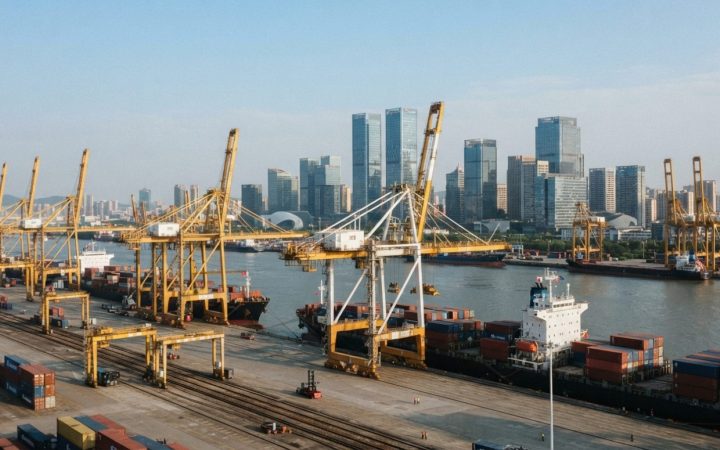
The commentary highlighted the dispute over Djibouti's Doraleh Container Terminal, which was seized from Dubai-based DP World in 2018. According to the article, the Djiboutian government disregarded rulings by the London Court of International Arbitration (LCIA) awarding DP World hundreds of millions of dollars in damages, subsequently transferring operational stakes to China Merchants Port Holdings.
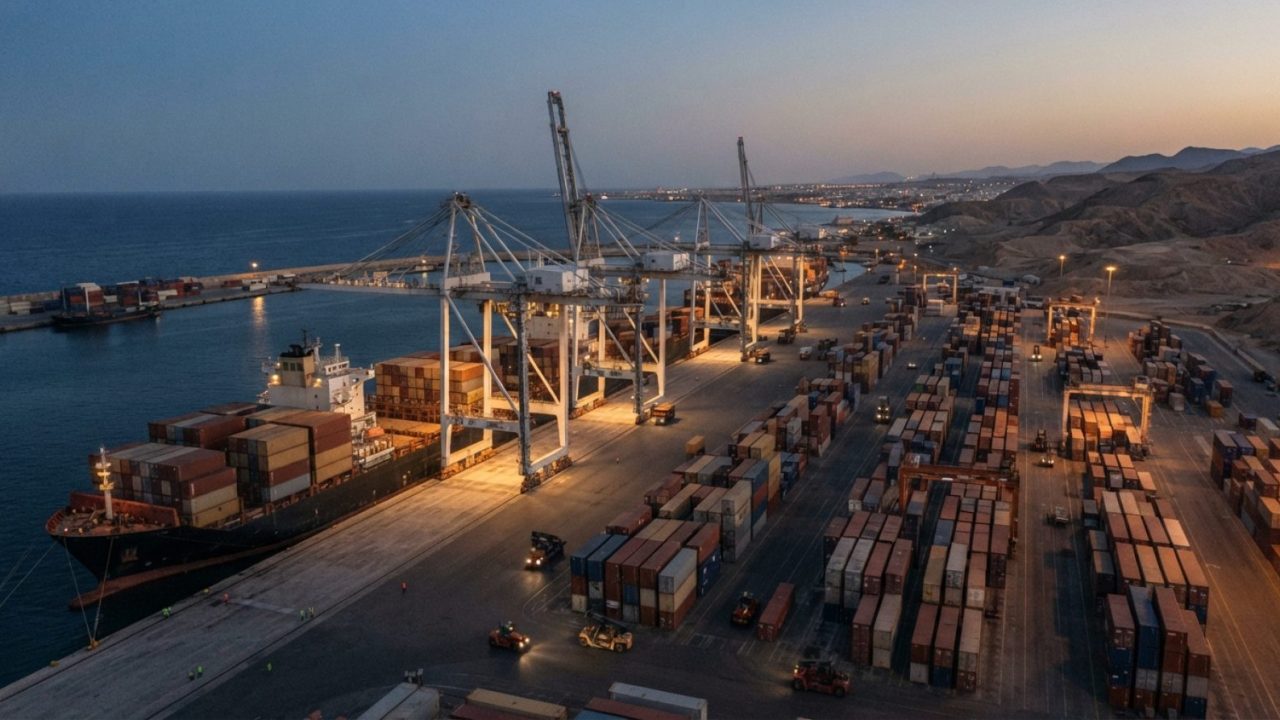
Following the dispute in Djibouti, DP World shifted focus to Somaliland, investing in Berbera Port and establishing a trilateral trade arrangement involving landlocked Ethiopia. The author noted that regional friction expanded further after Ethiopia and Somaliland signed a Memorandum of Understanding for a 20-kilometer coastal lease to construct a naval base, which Somalia's federal government in Mogadishu condemned as an infringement on sovereignty.
The op-ed also pointed to the UAE's substantial financial support to Addis Ababa, including funding for Prime Minister Abiy Ahmed's US$10-billion Chaka Project, despite Ethiopia's external debt constraints and currency shortages. The piece observed that Emirati, Chinese, and Turkish infrastructure agreements across the region are frequently concluded at executive levels with limited parliamentary oversight, public bidding, or institutional checks.
Sources
- Eurasia Review · 2026-10-26