According to an analysis published by Asia Times, Chinese electric vehicle (EV) manufacturers are increasingly targeting Gulf Cooperation Council (GCC) member states amid trade restrictions and tariffs in Western markets. The Gulf states—including Saudi Arabia, the United Arab Emirates, Qatar, Kuwait, Bahrain, and Oman—are actively advancing alternative energy goals and upgrading domestic transportation infrastructure.
Chinese automakers such as BYD, Geely, Chery, Changan, MG, and Li Auto are expanding their regional offerings with battery-electric, plug-in hybrid, and extended-range vehicles. These brands are directly challenging traditional market incumbents, including Toyota, Hyundai, Kia, Tesla, BMW, and Mercedes-Benz, by competing on digital connectivity, vehicle design, advanced driver-assistance features, and battery performance alongside price.
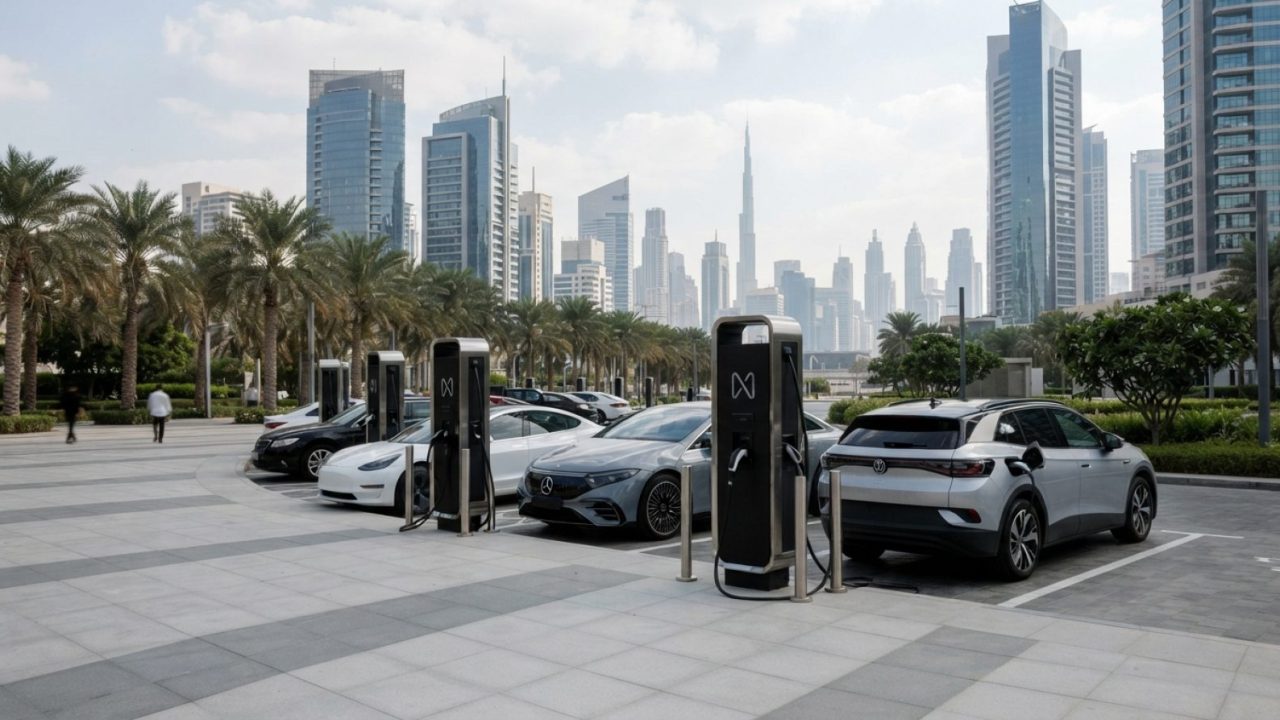
Asia Times reports that the UAE acts as an initial gateway for Chinese manufacturers, supported by established logistics infrastructure, regional vehicle testing facilities, and consumer familiarity with advanced automotive technology. Industry estimates place the UAE's share of the GCC electric vehicle market at approximately 42% in 2025. The country has roughly 2,800 charging points, comprising about 1,250 direct-current chargers and 350 high-power units.
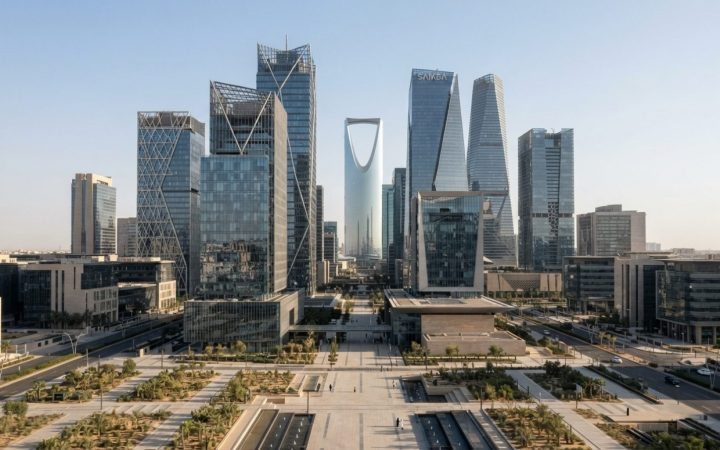
Saudi Arabia represents a major long-term growth market under Vision 2030, which emphasizes industrial diversification and local manufacturing. In September 2026, BYD's distributor Al-Futtaim opened new showrooms in Riyadh and Al-Qassim, expanding its network to 10 locations in the kingdom. Additionally, Saudi Arabia's state-backed Electric Vehicle Infrastructure Company (EVIQ) has partnered with Al-Futtaim to expand fast-charging access.
The report highlights that sustained regional adoption will depend on handling local operational conditions, including severe desert heat and long-distance driving requirements, as well as overcoming entrenched consumer loyalty to legacy Japanese and Western brands. Furthermore, Gulf authorities increasingly expect international automakers to support domestic manufacturing, technical employment, and supply chain integration.
Sources
- Asia Times · 2026-10-19