
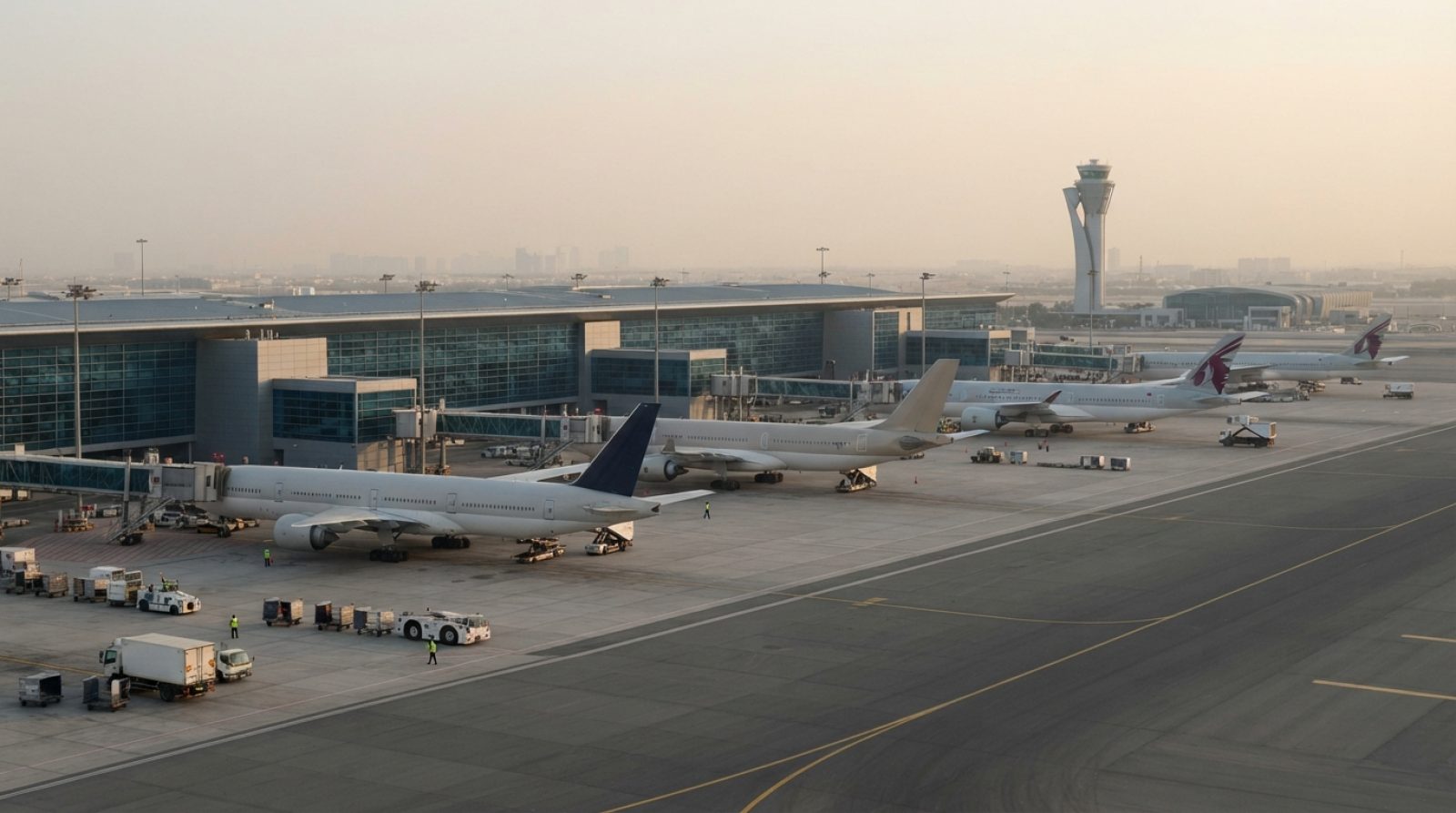
In an opinion piece published by the South China Morning Post, aviation policy advisor Aldo Giovannitti examined the strategic vulnerabilities of the Gulf aviation model. For decades, the superhubs of Dubai, Doha, and Abu Dhabi redirected millions of passengers between the West and Asia. In the prior year, the three airports handled approximately 182 million passengers, including a record 95.2 million at Dubai International alone.
Following the escalation of regional conflict involving Iran in February, retaliatory strikes directly impacted Gulf transport infrastructure. Abu Dhabi's Zayed International Airport reported one death and seven injuries, Dubai International suffered damage to a concourse, and Doha was also targeted. The resulting disruption led to widespread flight cancellations, route diversions, and private-jet war-risk insurance premiums surging to as high as US$50,000 per journey.
Passenger traffic at Dubai International declined by 31.3 percent year on year during the first half of 2026. Operational strain was further evidenced on September 30, when a flydubai flight from Dubai to Tel Aviv was diverted to Saudi Arabia after a co-pilot reportedly attempted to crash the aircraft.
Giovannitti observed that while carriers Emirates, Qatar Airways, and Etihad maintain substantial state backing, fleets, and infrastructure, their permanent proximity to volatile airspace poses an enduring test. The analysis notes that prolonged regional risk could redirect passenger flows back toward Western and Asian network operators.
Sources
- South China Morning Post · 2026-10-07