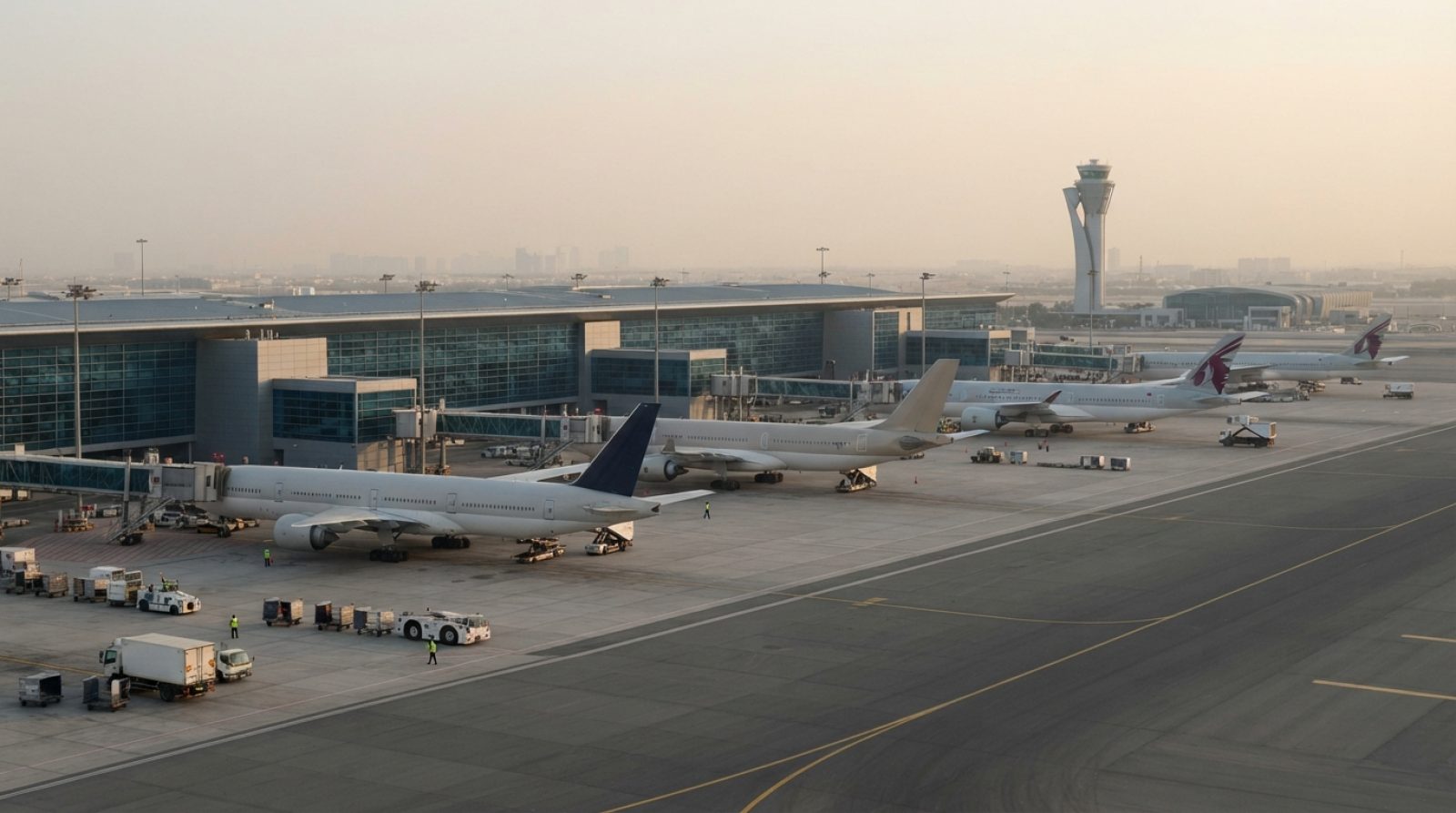
An analysis published in the South China Morning Post examines geopolitical pressures facing major Gulf aviation hubs in Dubai, Abu Dhabi, and Doha. Passenger traffic at Dubai International dropped 31.3 percent year-on-year in the first half of 2026 following strikes, airspace closures, and heightened operating risks. The author questions whether the region's dominant hub-and-spoke transit model connecting the West and Asia can maintain its pre-conflict market share.
Wizz Air has delayed the restart of several European routes to Abu Dhabi from late October to January 10, 2027, following updated guidelines from the European Union Aviation Safety Agency (EASA). The carrier said ongoing Iraqi airspace closures require longer detours and refuelling stops for its A321neo aircraft, making flights commercially unviable at current fuel prices. In addition, services to Jordan have been suspended until October 25, 2026, after Jordanian airspace was placed on EASA's conflict zone restricted list.
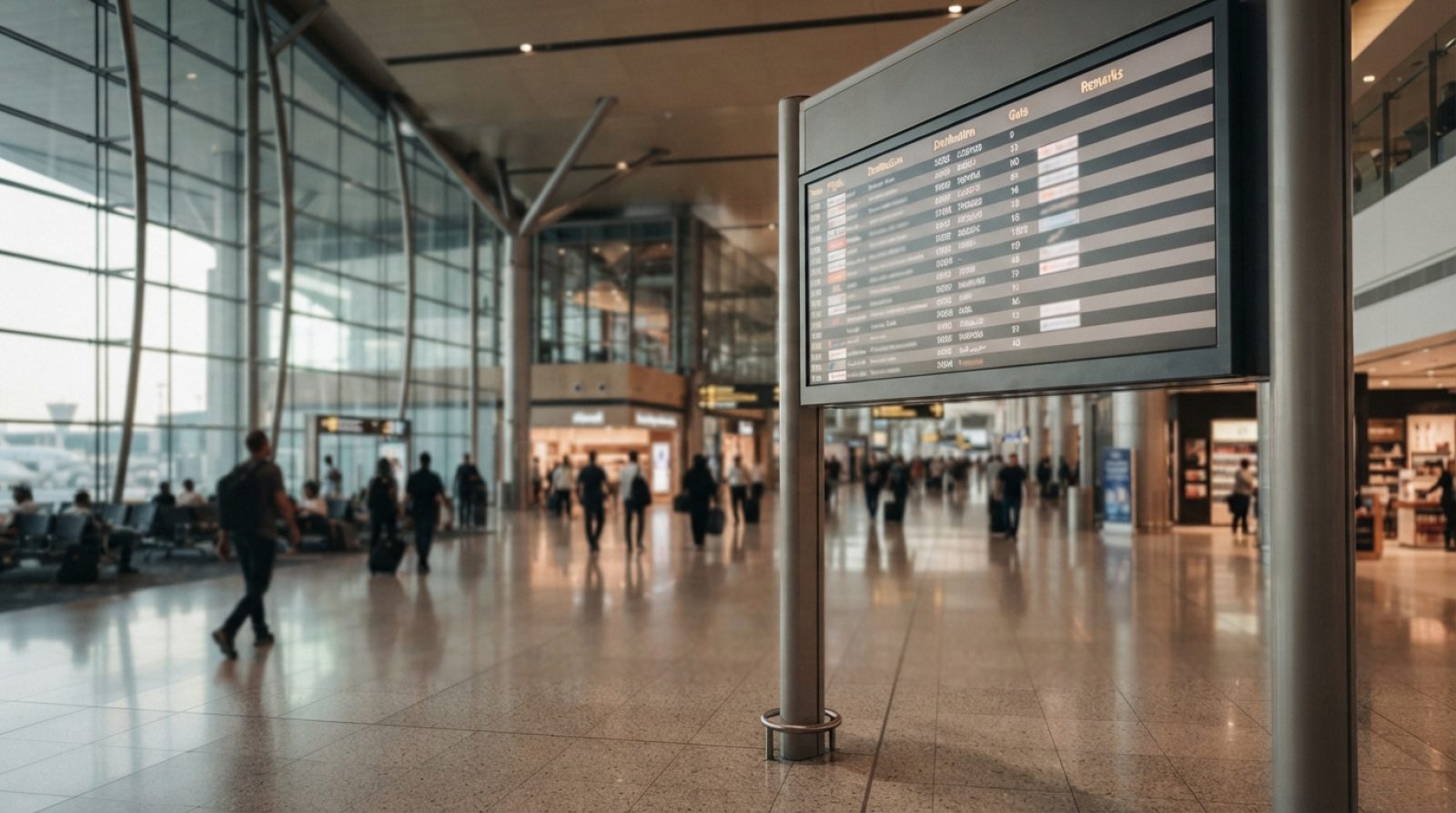
Shares on the Dubai Financial Market and Abu Dhabi Securities Exchange retreated following renewed Middle East air travel advisories and flight disruptions. Aviation, tourism, and consumer stocks faced notable downward pressure amid route diversions and elevated airfares. While domestic airspace has reopened, airport throughput and hotel occupancy in Dubai remained below prior-year levels.
The UECN Brief
Policy updates, China–UAE business news and industry insights, delivered to your inbox.
Business relationships in both markets
Forums, delegations and events
Policy updates and market insights
Membership
Join a network with a shared purpose.
Tell us about your experience and connection to UAE–China business. UECN assesses your application and offers the right membership category — fees are shared privately with your offer.
We send you a one-time sign-in link — your answers are saved as you go.