According to EnterpriseAM, close to a decade of UAE state-backed investments across Egyptian gas fields, petrochemical assets, and maritime terminals has transformed into a strategic buffer against ongoing shipping disruptions in the Strait of Hormuz. Egypt's position across both sides of the Suez Canal offers Gulf investors direct access to Red Sea and Mediterranean coastlines, establishing transport alternatives outside regional choke points.
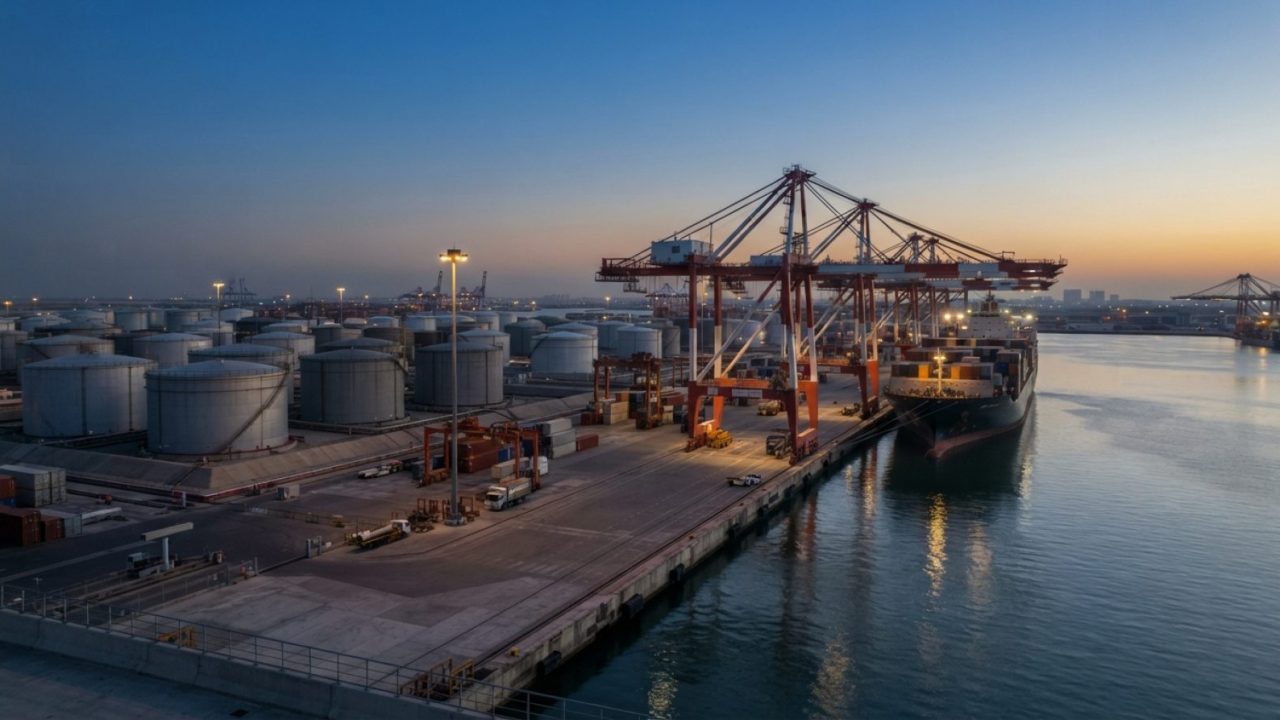
Emirati sovereign and corporate entities have expanded their presence across Egypt's infrastructure, EnterpriseAM reported. Major holdings include ADQ's USD 35 billion Ras El Hekma development agreement and its USD 800 million stake acquisition in Egyptian petrochemical and drilling entities, alongside terminal concessions held by DP World at Sokhna and AD Ports in Alexandria and East Port Said. Additionally, Fujairah is advancing a USD 3 billion oil logistics corridor at the Mediterranean port of El Hamra.
These external moves complement UAE domestic efforts to bypass Hormuz, the publication reported. ADNOC has shuttled crude to transfer facilities in Fujairah via the Habshan-Fujairah pipeline, with a second line fast-tracked to double volumes by 2027. Container traffic has increasingly shifted toward Gulftainer's Khorfakkan terminal on the Gulf of Oman as an entry gateway located outside the strait.
Concurrently, Dubai's real GDP contracted by 2.3% year-on-year in the first half of the year to AED 473 billion, state news agency WAM reported, citing the Dubai Data and Statistics Establishment. The contraction was concentrated in hub-dependent activities, with wholesale and retail trade dropping 6% in real terms to AED 96.9 billion and transport and storage sliding 7.4% to AED 50.6 billion, despite an 8.8% growth in financial and insurance services.
Sources
- EnterpriseAM · 2026-10-19