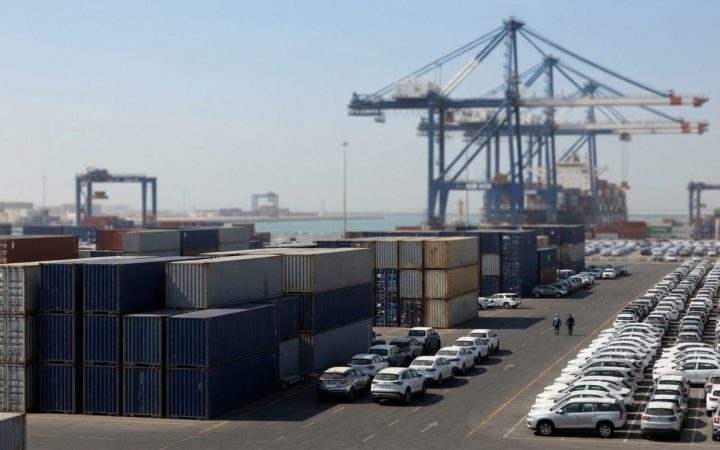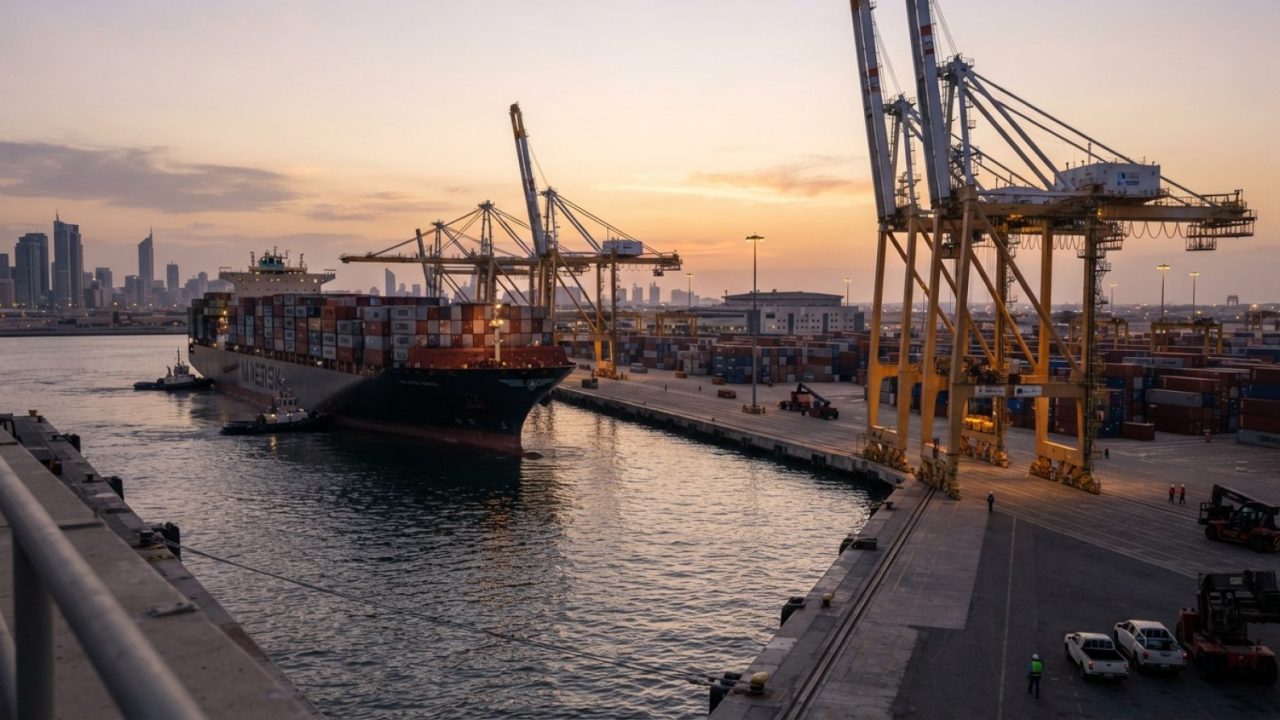
China's total trade with 23 Middle East and North Africa (MENA) nations dropped 12% year-on-year to $329.3 billion in the first nine months of 2026, according to Chinese customs data released on October 22, 2026. Total Chinese imports from the region dropped 27% to $114.93 billion, while exports slipped 1.4% to $214.35 billion. The decline was primarily driven by crude oil imports, which dropped 38.6% to 809 million barrels amid regional conflict disrupting Persian Gulf shipping flows.
The decline in Middle Eastern crude prompted shifts in supplier rankings. Brazil delivered 325 million barrels of crude to China during the period, up 33%, surpassing Saudi Arabia as China's second-largest supplier behind Russia. Saudi crude exports to China fell 27.6% to 316 million barrels, with September shipments declining 62% year-on-year to 12.5 million barrels. Chinese imports also fell from Iraq by 59%, Oman by 42%, and Kuwait by 38%.
Non-energy Chinese exports showed resilience, particularly in vehicles and electronics. Passenger car shipments to the MENA region rose 0.8% to $15.9 billion, supported by an 87% surge in plug-in hybrid exports, even as fully electric car exports fell 40% and combustion vehicles declined 16%. The United Arab Emirates retained its position as the top global buyer of Chinese electrified vehicles—comprising electric cars, plug-in hybrids, and conventional hybrids—with imports reaching $3.9 billion despite a 25.3% decrease. Saudi Arabia followed in the Gulf with $2.2 billion in purchases.
Electronics and electrical equipment shipments generated $41.8 billion across the MENA region, up 6.2%. Mobile phones accounted for $11.7 billion of that total, representing a 13.1% increase, with the UAE acquiring nearly half of these device shipments. Aircraft and drone component exports to the region decreased 7.7% to $37.3 million, with Israel receiving $18.6 million and the UAE importing $7.4 million.
Sources
- Alhurra · 2026-10-22