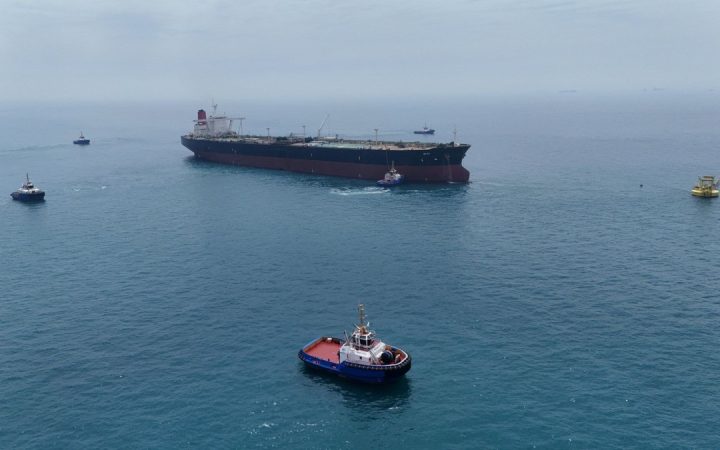
The cost of chartering a very large crude carrier (VLCC) to transport 2 million barrels of US oil from the Gulf of Mexico to China for November delivery hit US$80 million, according to data from shipbroker Simpson, Spence & Young on LSEG. The surge has driven shipping costs to approximately US$40 per barrel—up from US$8.60 earlier in the year—which amounts to almost half the price of a West Texas Intermediate (WTI) crude futures contract and effectively closes the arbitrage window for the trade.
Faced with high transatlantic freight costs, Asian refiners are shifting purchase orders toward Middle Eastern and Latin American grades, particularly Murban crude from the United Arab Emirates. This redirecting of demand pushed Murban's cash premium over Dubai quotes above US$11 per barrel, while an analyst with a trading firm reported that delivered Murban was roughly US$2 per barrel cheaper than WTI into Asia.
According to June Goh, senior analyst at Sparta Commodities, VLCC freight rates on routes from the US Gulf to Asia and from Fujairah to the East have climbed by more than 300% since mid-August. Goh attributed the sharp increases to highly inefficient ship-to-ship transfer operations used to bypass regional transit disruptions, as well as tighter tonnage availability caused by higher Atlantic Basin arbitrage volumes.
The surging freight market has disrupted fixture bookings across Asian buyers. While Japanese refiner Cosmo Oil provisionally chartered a VLCC for US$81 million to load US crude in late November, attempts by South Korean refiner SK Energy and trader Trafigura to secure VLCCs for US$76 million to US$77 million failed, prompting some traders to seek smaller Aframax vessels instead.
Sources
- The Business Times · 2026-10-09