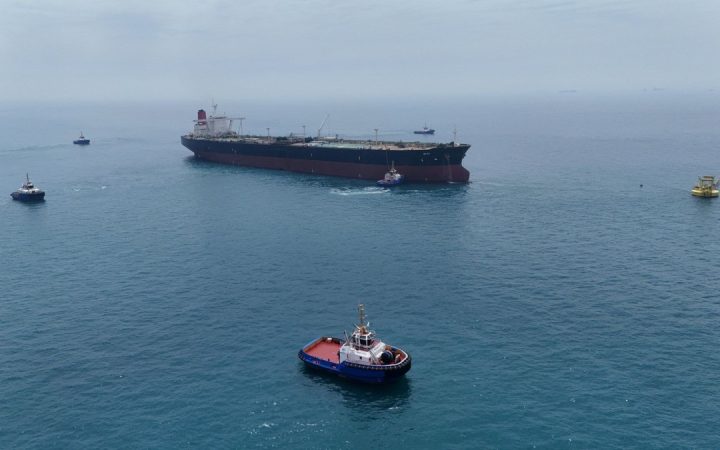
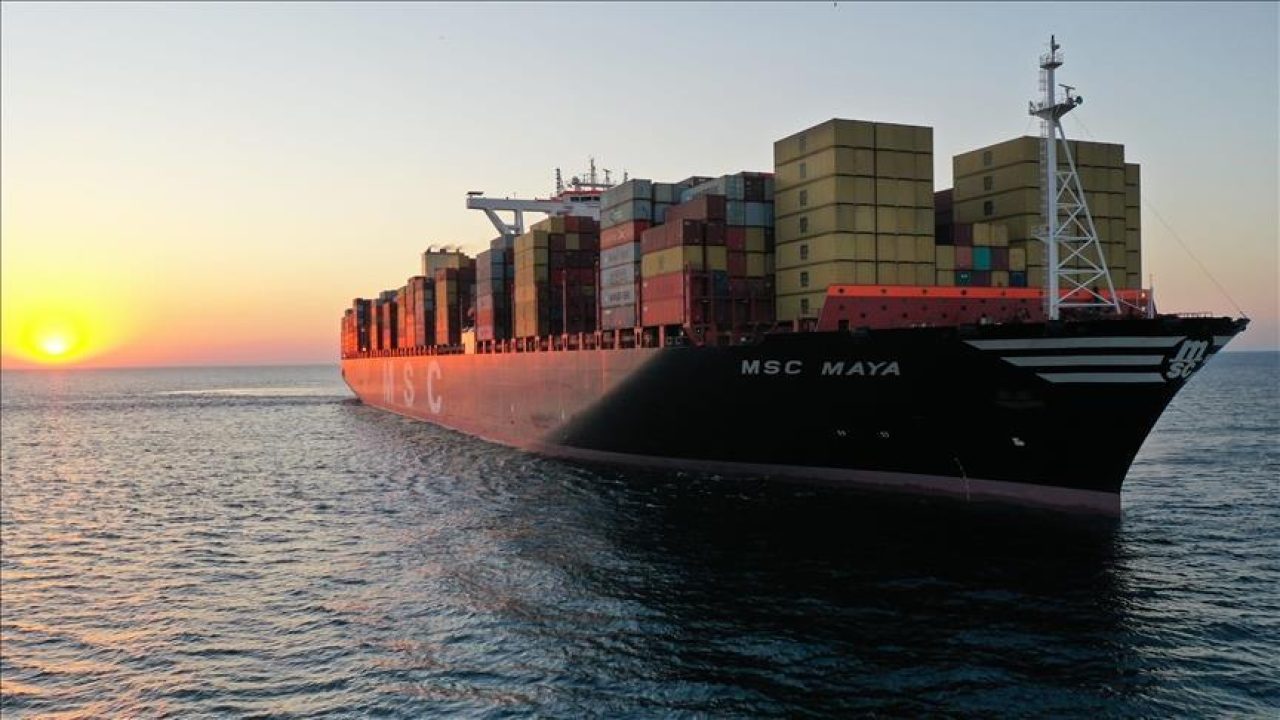
Crude oil transportation costs for very large crude carriers (VLCCs) on the TD3C route from the Arabian Gulf to China increased by 406% to reach $229.76 per metric ton at the end of September, up from $45.42 per ton on February 27, according to Baltic Exchange data compiled by Anadolu Agency. The fivefold surge followed regional shipping disruptions in the Strait of Hormuz.
Around 80% of petroleum transit moving through the Strait of Hormuz is destined for Asian markets, with China standing as the world's largest crude importer. Rising freight rates also affected alternative routes; costs on the TD34 route from the Gulf of Oman to China climbed 3.8 times to $140.02 per ton at the end of September from $36.78 per ton on March 26. As a result, transiting the Strait of Hormuz carried an approximate 64% freight premium compared to the TD34 route.
The surge in shipping expenses has weighed on the delivery competitiveness of Middle Eastern crude, prompting exporters to cut official selling prices. Saudi Arabia reduced its November official selling price for Arab Light crude by $3 per barrel month-on-month to $5 below the Oman/Dubai benchmark, marking its widest discount since June 2020. Saudi Aramco was also reported to be considering discounts of up to approximately $9 per barrel on selected cargoes loaded offshore Oman.
Analysts cited by Anadolu Agency noted that heightened geopolitical risk, aging tanker fleets, limited new vessel construction, and constraints on shadow fleet participation have tightened tanker supply. Sparta freight analyst Michael Ryan stated that elevated shipping costs could cause margin compression and incentivize Asian buyers to consider crude supplies from the Atlantic Basin unless Gulf sellers offer substantial discounts.
Sources
- Anadolu Agency · 2026-10-06
- Gemini News Search — Industry News · 2026-10-06
- Gemini News Search — Industry News · 2026-10-06
- Gemini News Search — Industry News · 2026-10-06