
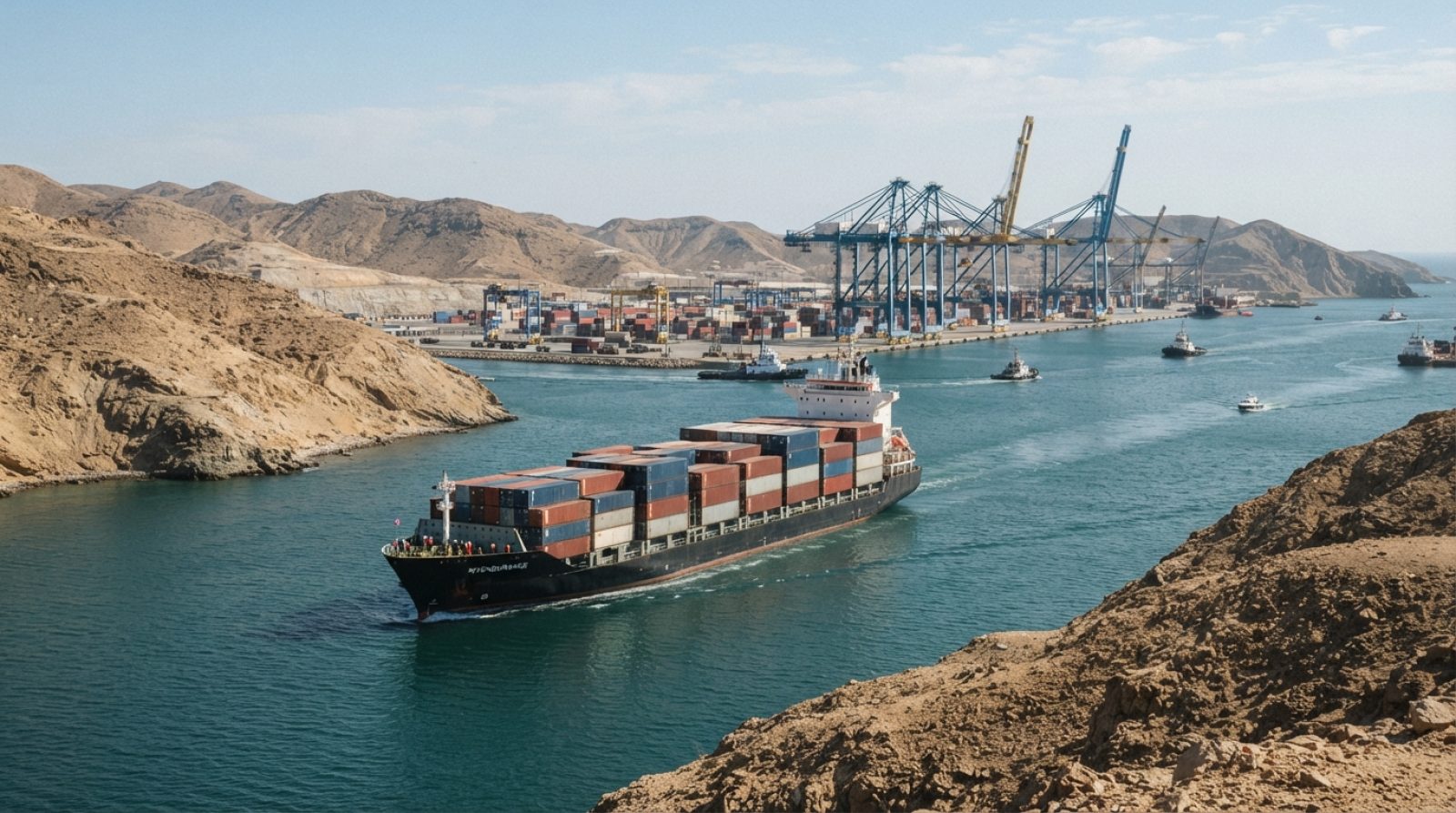
According to an analysis published by NoonPost, the Horn of Africa has developed into a critical arena of geopolitical and commercial competition. The region—defined narrowly as Somalia, Ethiopia, Eritrea, and Djibouti, and more broadly including Sudan, Kenya, and Somaliland—sits at the crossroads of the Red Sea, the Gulf of Aden, the Indian Ocean, and the African hinterland, giving coastal states significant influence over international maritime corridors.
The report emphasizes the strategic sensitivity of the Bab el-Mandeb strait, which narrows to approximately 30 kilometres between Djibouti and Yemen. Under normal operating conditions, the passage connecting the Indian Ocean to the Mediterranean via the Suez Canal handles an estimated 12 percent of global trade and roughly 30 percent of container traffic between Asia and Europe. Disruptions that divert cargo around South Africa's Cape of Good Hope add an estimated 10 to 14 days and nearly $1 million in fuel costs to a vessel's round trip.
Seven primary powers are currently contending for influence across the Horn of Africa, with China and the UAE maintaining significant commercial and infrastructure stakes, NoonPost reported. China established its first overseas military base in Djibouti in 2017, financed the cross-border Addis Ababa–Djibouti railway linking landlocked Ethiopia to the sea, and acquired an equity stake in Doraleh port following Djibouti's 2018 expulsion of the UAE.
In parallel, the UAE has assembled a network of coastal port and logistics assets across the Horn, according to the source. DP World has developed a commercial port and related naval facility at Berbera in Somaliland, while the UAE also holds development rights at Bosaso port in Puntland and previously maintained a military facility at Eritrea's Assab port until its closure in 2021. The analysis notes that prolonged regional polarisation and proxy competition represent the most probable medium-term scenario for the corridor.
Sources
- نون بوست · 2026-09-27