Arab governments are expanding institutional, educational, and cultural links with China to support long-term national development strategies, China Daily reported. Regional administrations are backing research centers and educational exchange platforms, driven by growing bilateral trade, investment ties, and public-sector engagement.
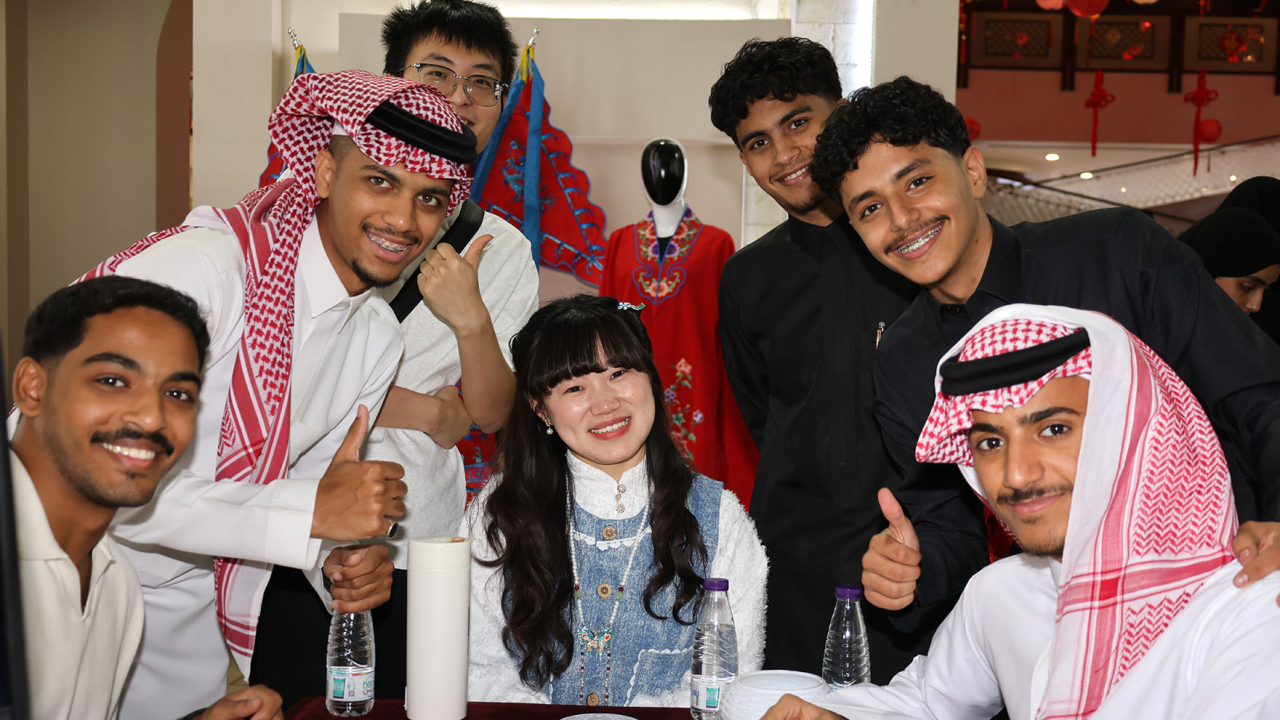
Educational initiatives have expanded across several countries. Universities in the United Arab Emirates, Tunisia, and Morocco have established Chinese language departments, while Saudi Arabia has introduced Chinese language classes in more than 100 public middle schools. In Egypt, the government previously added Chinese as an elective subject in primary and secondary schools.
According to Chen Di, a researcher at the Shanghai Academy of Social Sciences' Institute of China Studies, Arab interest in China has shifted from technical focus areas such as free trade zones and industrial parks toward a broader study of China's development path and governance models. Chen added that increased travel facilitated by visa-free policies has supported bilateral exchanges.
Wang Guangda, secretary-general of the China-Arab Research Center on Reform and Development, stated that Arab nations facing economic transformation challenges—including resource reliance, youth unemployment, and industrial diversification needs—are engaging with China's Belt and Road Initiative for cooperation in infrastructure, energy, and the digital economy.
Sources
- China Daily · 2026-10-08