
- Issuing authority
- Office of the United States Trade Representative
- Jurisdiction
- United States
- Publication date
- November 25, 2026
- Stage
- Draft / consultation
- Official document
- Section 301(b) Determination on Structural Excess Capacity
- Official source
- news.google.com
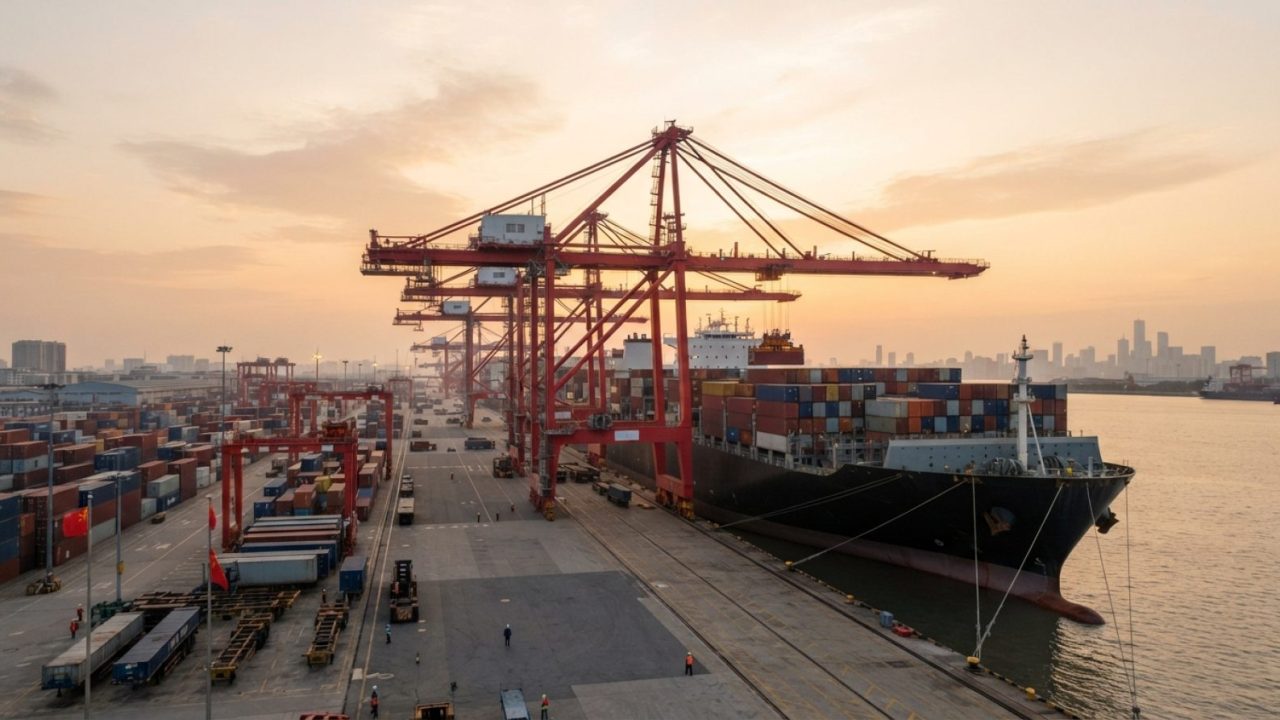
United States Trade Representative Jamieson Greer announced on 25 November 2026 a determination under Section 301(b) of the Trade Act of 1974 that industrial policies across 14 economies burden US commerce. The finding concluded an eight-month probe launched on 11 March 2026 into alleged structural excess industrial capacity. Greer stated that targeted trading partners have used manufacturing support, wage suppression, and market-distorting inputs that disadvantage American industry.
Under the proposed measures, China faces a 20% tariff on most imports, which stacks onto roughly 25% in duties from 2018 for a combined 45% rate. Roughly $30 billion in Chinese goods listed on the bilateral Board of Trade Annex B are proposed to be exempt, while Annex A goods face up to 10%. A senior US official reported that the levy on China could rise to 40% if a bilateral trade truce expiring on 10 January 2027 collapses.
Other targeted partners include the European Union, Japan, South Korea, Switzerland, Taiwan, Vietnam, India, Singapore, Bangladesh, Cambodia, Indonesia, Malaysia, and Thailand. Three partners without finalized reciprocal agreements face split rates: Vietnam faces up to 35% (or 20% under an accord), India up to 25% (or 17% with an accord), and Singapore up to 20% (or 10% with an accord). Mexico and Norway remain under review, Canada was omitted, and separate comment was sought on a 10% duty on Brazilian aircraft.
USTR highlighted sectors including electric vehicles, steel, solar panels, batteries, foundational semiconductors, pharmaceuticals, and textiles, alongside Chinese manufacturing investments in Southeast Asia. Reported carve-outs include oil and gas, critical minerals, fertilizers, certain medicines, and non-domestically grown agricultural products.
None of the proposed levies take immediate effect. Written comments and hearing requests are due by 5 January 2027, with USTR public hearings scheduled to begin on 25 January 2027.
Sources
- Invezz · 2026-11-25