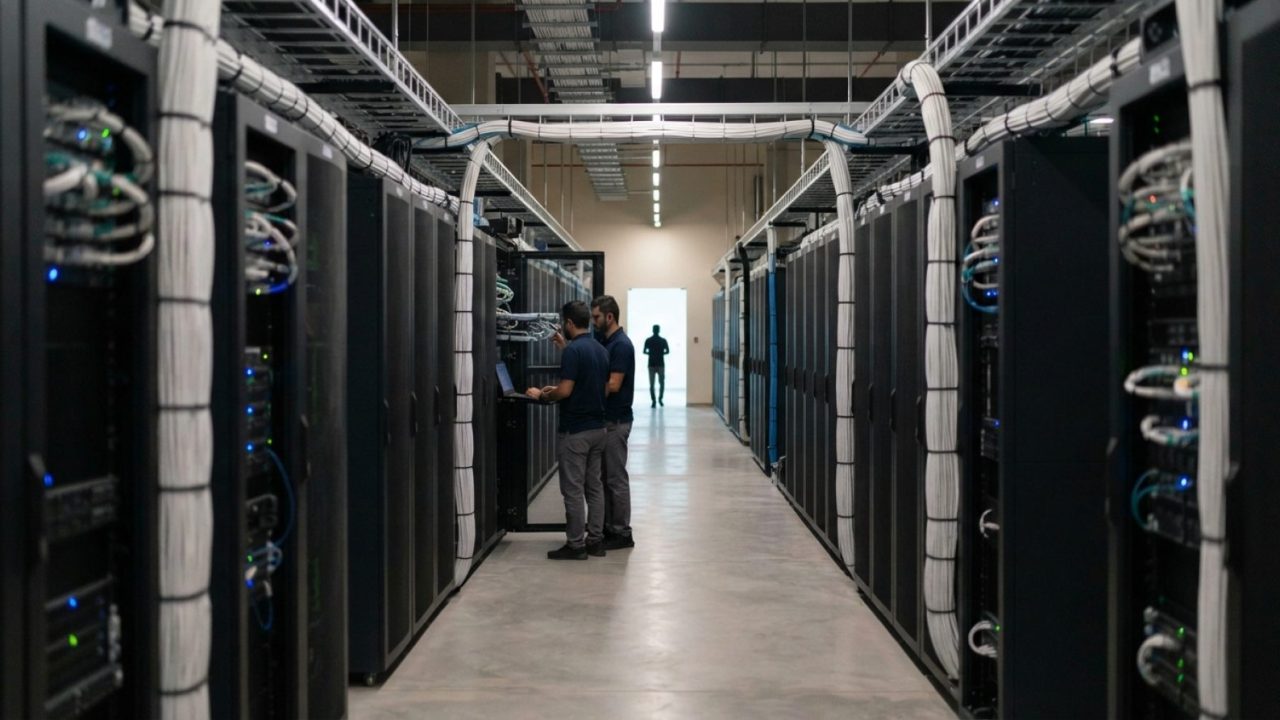
According to EnterpriseAM, agreements permitting UAE AI firm G42 and its cloud unit Core42 to access advanced artificial intelligence semiconductors without an export license, as well as approvals for up to 35,000 chips for Saudi Arabia's Humain, are facing intensified scrutiny from US Democrats ahead of midterm elections. Lawmakers have threatened investigations into whether the transfers risk leaking critical technology to China or lack sufficient safeguards against surveillance usage.
Democratic Senator Elizabeth Warren criticized the US Commerce Department for granting license-free chip access, citing national security concerns and potential technology diversion to China. Representative Ro Khanna has also pledged congressional inquiries through oversight and China-focused committees. Lawmakers have additionally raised questions over an alleged link between the UAE agreement and a USD 500 million investment in Trump family cryptocurrency venture World Liberty Financial by Aryam Investment, an entity backed by UAE National Security Adviser Sheikh Tahnoon bin Zayed Al Nahyan, who chairs G42 and tech investment firm MGX.
EnterpriseAM reported that UAE officials have pursued technical decoupling from Chinese technology within their AI infrastructure to meet US cooperation conditions, including G42 divesting from Chinese firms, whereas Saudi Arabia has made no such public pledge. Under the prevailing regulatory framework, G42 and Core42 are required to become US companies by 6 April 2027 or obtain new authorization to retain license-free chip access.
The report highlighted that unwinding bilateral AI relations would be complicated by substantial commercial ties. Gulf sovereign wealth funds have invested billions into US AI firms such as OpenAI, Anthropic, and xAI, alongside USD 200 billion in bilateral commercial agreements announced during President Trump's second-term Gulf visit. Consulting firm PwC projects artificial intelligence could contribute USD 96 billion to the UAE economy and USD 135 billion to Saudi Arabia by 2030, representing 12% to 14% of gross domestic product.
Sources
- EnterpriseAM · 2026-10-29