- Issuing authority
- US Department of Commerce / US Congress
- Jurisdiction
- United States
- Effective date
- April 6, 2027
- Stage
- Final rule
- Official document
- Bureau of Industry and Security Strategic Trade Authorization regulations
- Official source
- news.google.com
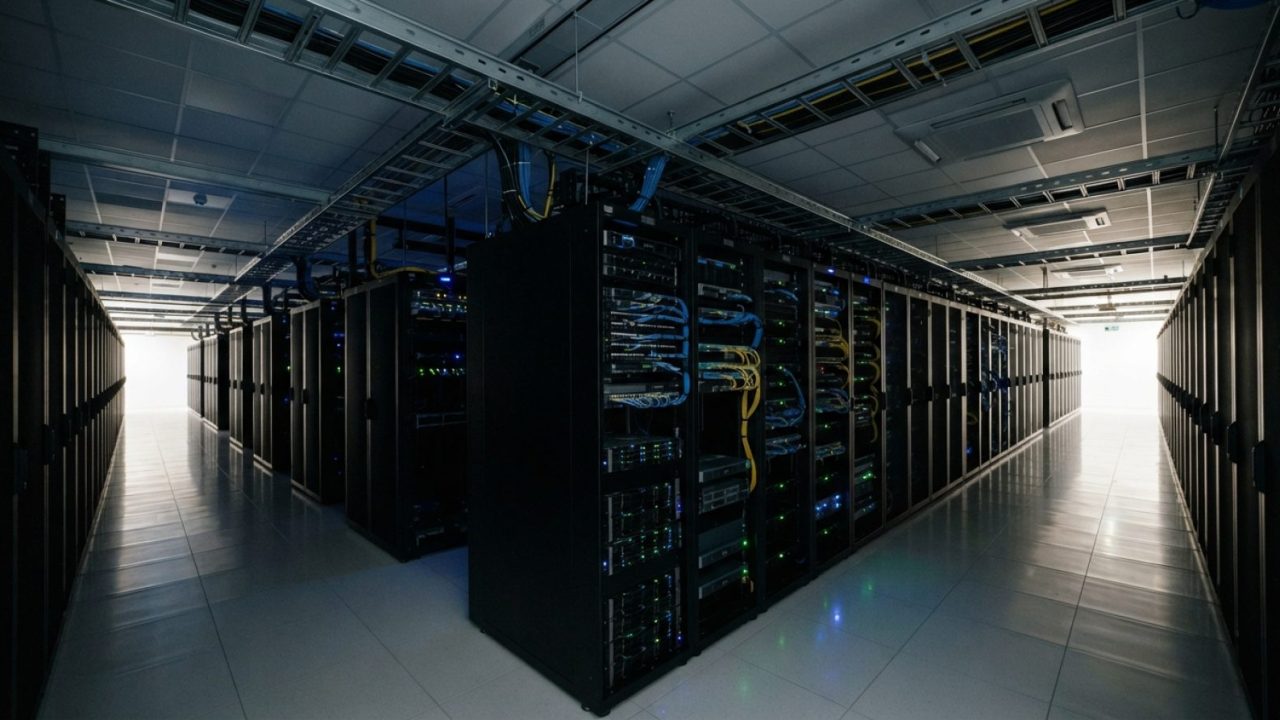
A series of Trump administration technology agreements granting Gulf nations access to advanced computing hardware is facing mounting scrutiny from US Democrats ahead of the 3 November midterm elections, EnterpriseAM reported. The arrangements provided UAE AI champion G42 and its cloud subsidiary Core42 with license-free access to high-end semiconductors, while approving up to 35,000 chips for Saudi Arabia's AI champion Humain.
Democratic lawmakers have signaled intentions to launch congressional inquiries if they secure control of Capitol Hill, focusing on allegations that the tech transfers could inadvertently leak sensitive AI capabilities to China or facilitate state surveillance. Scrutiny also targets an alleged conflict of interest involving a USD 500 million investment in Trump-linked cryptocurrency entity World Liberty Financial by Aryam Investment, an entity tied to UAE National Security Adviser Sheikh Tahnoon bin Zayed Al Nahyan, who chairs G42 and AI investment fund MGX.
Under current terms, G42 and Core42 are required to transition into US companies by 6 April 2027 or seek renewed authorization to retain license-free semiconductor imports. While incoming lawmakers could attempt to restrict future chip sales or high-end model access, existing regulatory agreements and legal deadlines make terminating current authorizations difficult before their formal expirations.
Decoupling US-Gulf AI links is further complicated by deep commercial integration, as Gulf sovereign funds have channeled billions into leading American AI developers, including OpenAI, Anthropic, and xAI. EnterpriseAM noted that access to advanced silicon remains central to the region's economic diversification, citing PwC estimates that AI could contribute USD 96 billion to the UAE economy and USD 135 billion to Saudi Arabia by 2030.
Sources
- EnterpriseAM · 2026-10-31