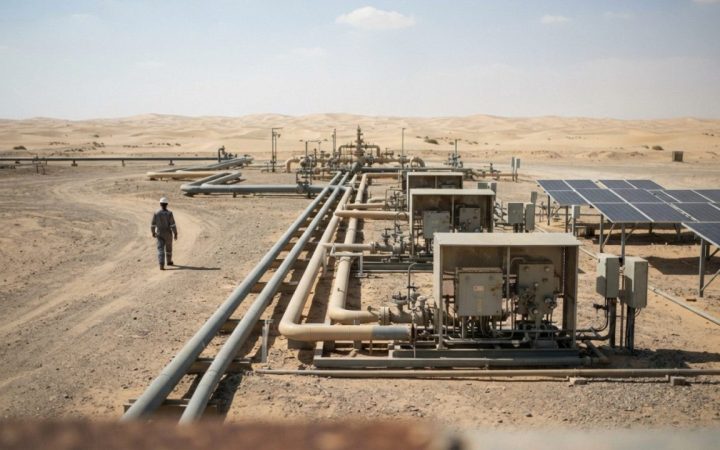
Middle Eastern governments are expanding sovereign AI initiatives, data centre campuses, and regulatory roadmaps to compete in an AI landscape historically dominated by the United States and China, according to an analysis published by Fanack. The regional push is driven by plans to diversify economic output and modernise public administration as hydrocarbon revenue and leverage are anticipated to recede. Citing estimates from the World Economic Forum and Bain & Company, Fanack reported that AI could unlock upwards of $1 trillion in economic and sustainability value across the Middle East and North Africa by 2030.
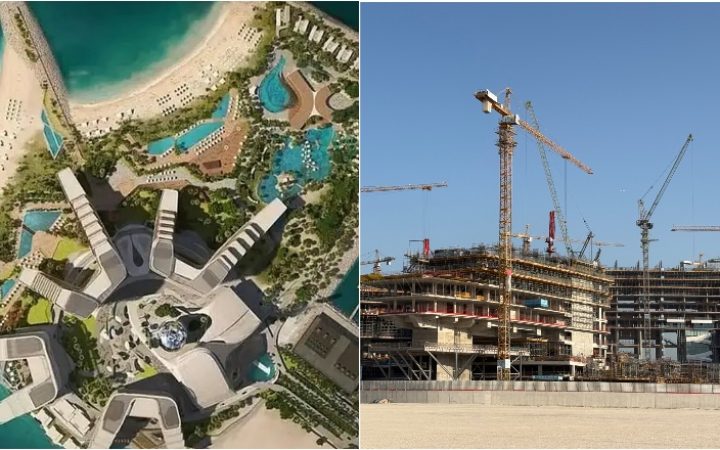
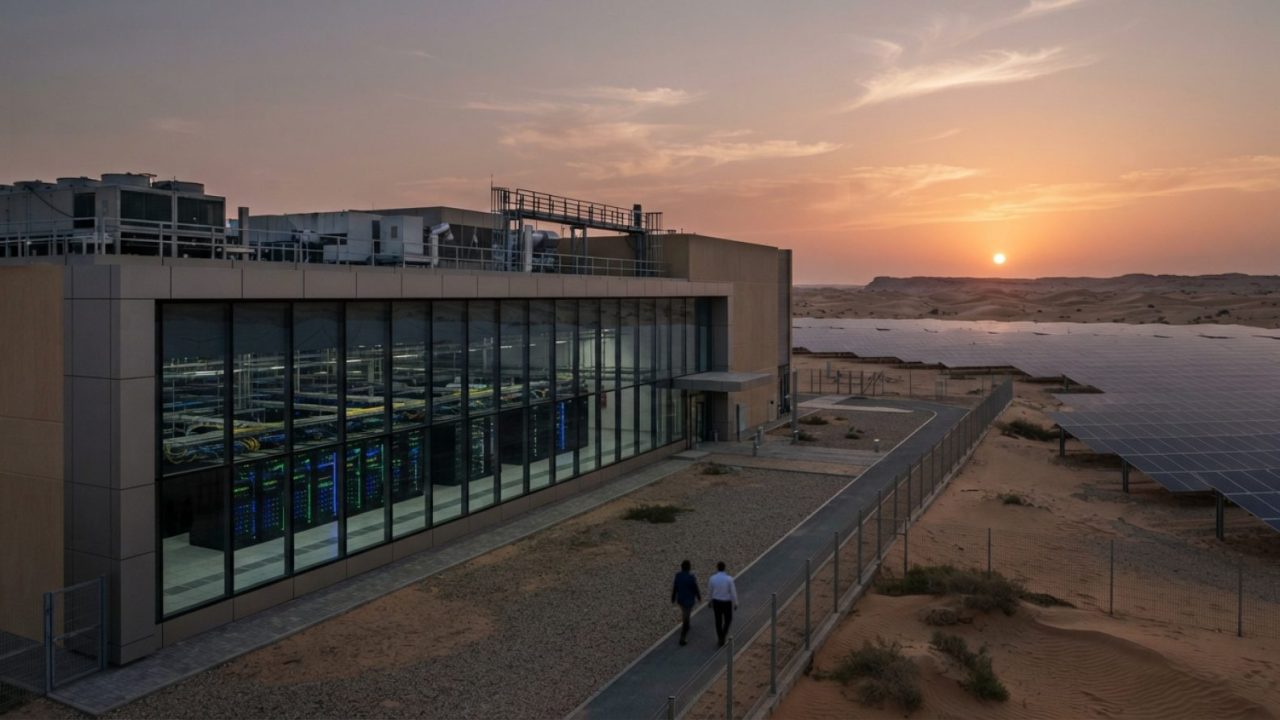
In the United Arab Emirates, state AI initiatives date back to 2017 with the appointment of a dedicated AI minister and the launch of the National Strategy for Artificial Intelligence 2031. Abu Dhabi unveiled plans in May 2025 for a 5-gigawatt UAE–US AI Campus covering ten square miles, within which Khazna Data Centres—part of G42—is developing the 1-gigawatt 'Stargate UAE' cluster in partnership with OpenAI, Oracle, Nvidia, Cisco, and SoftBank. Microsoft and G42 have separately committed to data centre expansions under an investment program exceeding $15 billion.
Saudi Arabia has structured AI deployment under Vision 2030 and the Saudi Data and Artificial Intelligence Authority (SDAIA). In May 2025, the Public Investment Fund established Humain, chaired by Crown Prince Mohammed bin Salman, which began data centre construction in Riyadh and Dammam backed by an initial allocation of 18,000 Nvidia Blackwell chips. Humain subsequently secured a financing framework of up to $1.2 billion from Saudi Arabia's National Infrastructure Fund in January 2026 for 250 megawatts of data centre capacity.
Elsewhere in the Gulf and North Africa, Qatar Investment Authority created Qai in December 2025, immediately launching a $20 billion joint venture with Canada's Brookfield to construct regional and international AI facilities. Outside the Gulf, Egypt launched its second National AI Strategy (2025–2030) aiming to raise AI's economic contribution to 7.7 percent of GDP, while Morocco introduced its 'Maroc IA 2030' plan in early 2026 focusing on digital sovereignty.
Fanack observed that the regional expansion faces practical challenges, including substantial power consumption, water scarcity required for cooling systems, and local talent shortages. Geopolitical and security complexities also remain central: while Washington approved Nvidia chip shipments to G42 and Humain in late 2025, Gulf states must navigate US export controls and security ties while managing their critical trade and economic relationships with China.
Sources
- Fanack · 2026-11-17