- Issuing authority
- Federal Supreme Court of Iraq
- Jurisdiction
- Iraq
- Publication date
- October 27, 2026
- Effective date
- October 27, 2026
- Stage
- Repeal
- Official document
- Revolutionary Command Council Decision No. 23 of 1994 (amended by Decision No. 33 of 1997)
- Official source
- news.google.com
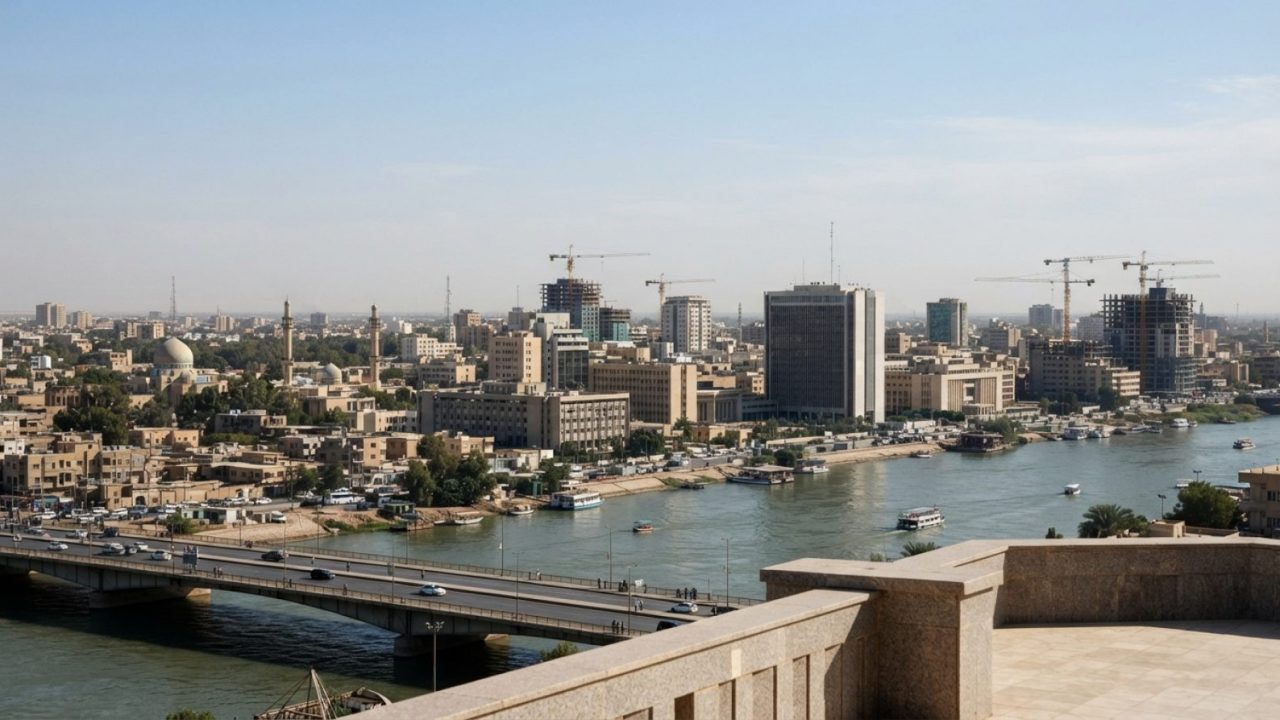
Iraq's Federal Supreme Court issued a ruling on October 27, 2026, striking down Saddam Hussein-era legal restrictions on foreign investment and property ownership, Arabian Business reported. The decision invalidates Revolutionary Command Council measures first introduced in 1994 and amended in 1997, which had suspended legislation permitting non-Iraqis to hold corporate stakes or own real estate under penalty of asset confiscation and imprisonment.
While foreign companies have invested in Iraq under statutory frameworks enacted after 2003, the lingering Baath-era restrictions caused regulatory friction over legal enforcement. The court's decision resolves that contradiction, though Arabian Business noted it does not provide foreigners with unrestricted property purchasing rights, leaving ownership subject to existing statutes such as those governing approved residential developments.
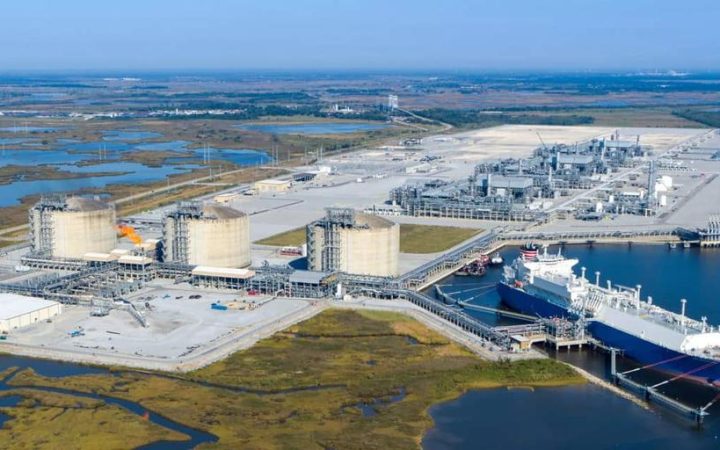
The regulatory reform comes as Baghdad seeks to unlock billions of dollars in Gulf capital. Investors from the United Arab Emirates, Saudi Arabia, and Qatar are already engaged in property, energy, and infrastructure projects across Iraq. Among the existing ventures is the roughly $27 billion Gas Growth Integrated Project, in which QatarEnergy holds a 25 percent stake alongside TotalEnergies and Iraq's state-owned Basra Oil Company.
The legal change coincided with talks held in Doha between Iraq's National Investment Commission, the Qatar Investment Authority, and Power International Holding to review existing projects and future investment avenues. Rafal Hyps, CEO of risk consultancy Sicuro Group, told Arabian Business that while Gulf investor interest is tangible, challenges such as bureaucratic processes, unpredictable regulations, and high financing costs continue to affect the pace of foreign capital deployment.
Sources
- Arabian Business · 2026-11-11