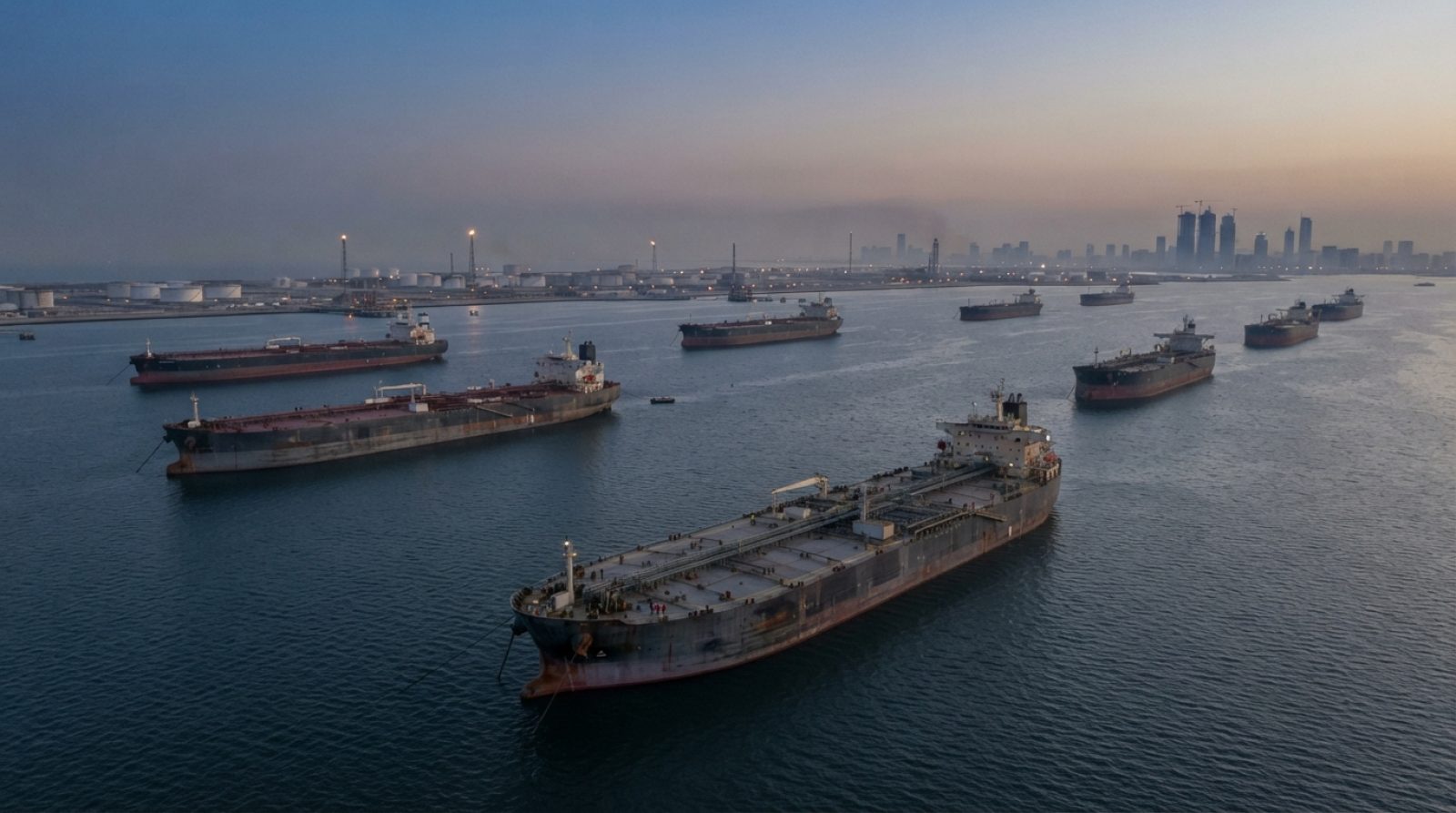
According to tanker-tracking data from Kpler reported by Iran International, no Iranian crude oil cargo has crossed naval blockade lines to travel toward China since mid-July. Although Iran continued loadings into floating storage—accumulating around 67 million barrels aboard tankers anchored in southern waters by mid-August—loadings subsequently halted as available empty tankers became scarce. Data from TankerTrackers confirmed that Iranian oil export terminals were effectively idle regarding crude loadings throughout September.
Around 15 million barrels of Iranian oil remained afloat in Asian waters as of late September, with Kpler analyst Homayoun Falakshahi noting that most cargoes had already been sold, leaving no new crude available for delivery to Chinese buyers. China has been the sole major buyer of Iranian crude, importing an average of approximately 1.5 million barrels per day over the past year. Additionally, Iran's exports of roughly 500,000 barrels per day of refined petroleum products and liquefied petroleum gas (LPG)—previously supplied to buyers including the UAE and China—have stopped since the onset of the naval blockade.
In contrast, regional Arab crude exporters restored much of their export volumes using alternative shipping routes. Kpler reported that Arab crude shipments averaged at least 16.5 million barrels per day in September, roughly matching pre-conflict levels.
Separately, Ruhollah Mousavi, an Iranian lawmaker on parliament's internal affairs and councils committee, warned that any further US military action against Iran would open new fronts against Washington across the region, claiming Tehran would deploy previously unused missiles.
Sources
- Iran International · 2026-10-02