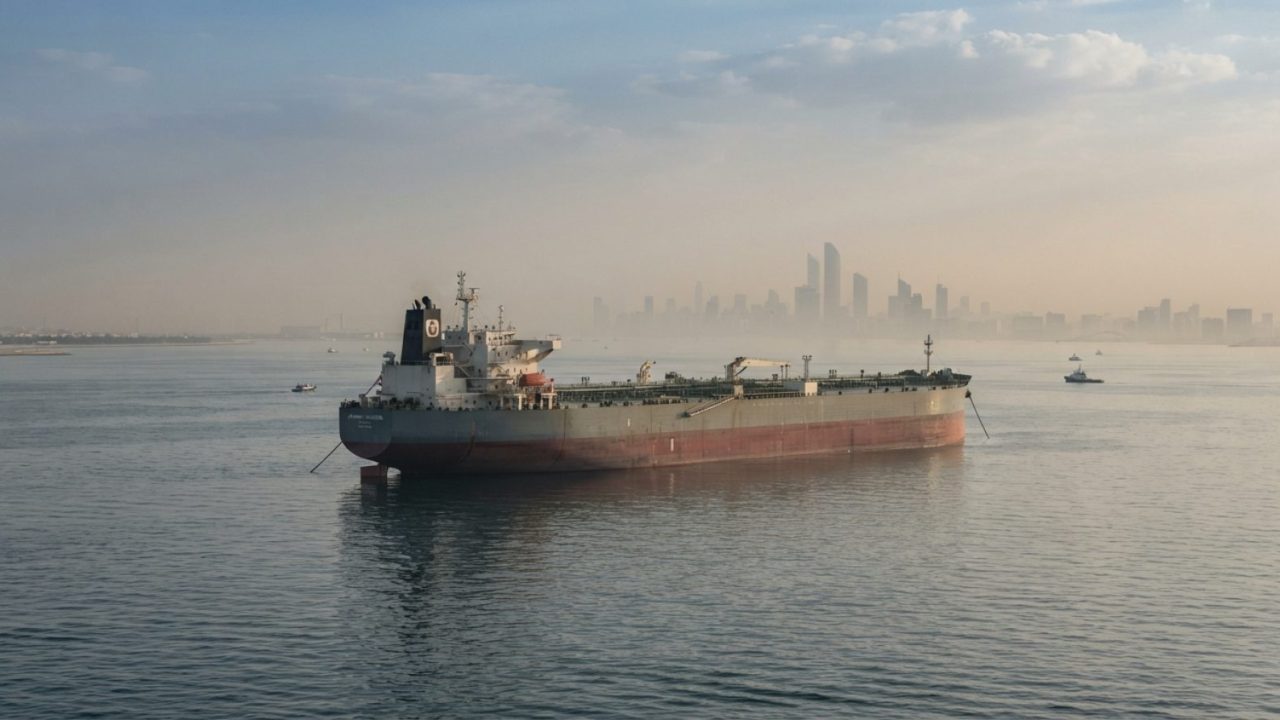
Energy markets have faced significant disruptions following US and Israeli strikes on Iran and retaliatory attacks against Gulf energy infrastructure, EnergyNow.com reported. Tanker traffic through the Strait of Hormuz—a maritime chokepoint handling approximately a quarter of global seaborne oil trade and a fifth of global liquefied natural gas (LNG) supply—has slowed to a near standstill. The International Energy Agency stated that the ongoing war is generating the largest supply disruption in the history of the global oil market.
Regional supply bottlenecks carry significant exposure for Asian consumers, who received nearly 90% of the crude and condensate shipped through the Strait of Hormuz last year. To bypass the waterway, Saudi Arabia has accelerated crude flows through its East-West pipeline to the Red Sea port of Yanbu, although that maritime route faces potential risks from Yemen-based Houthi threats against Red Sea navigation. Meanwhile, Iranian crude exports from its primary terminal on Kharg Island have continued operating normally according to the semi-official Fars news agency, despite heightened military threats.
Gas and petrochemical supply chains are also under intense pressure. QatarEnergy suspended operations at the world's largest LNG export facility after it was struck by an Iranian drone, contributing to European gas futures nearly doubling in the days following the conflict's onset. Disrupted regional gas production has additionally curtailed fertilizer manufacturing across the Gulf, threatening downstream agriculture and food production costs globally.
Refined petroleum markets have registered wide-ranging price increases across diesel, gasoline, jet fuel, shipping bunker fuel, and naphtha. EnergyNow.com noted that tightening supplies of refined fuels will impact multiple sectors internationally, including aviation, freight logistics, agriculture, and construction.
Sources
- EnergyNow.com · 2026-10-26