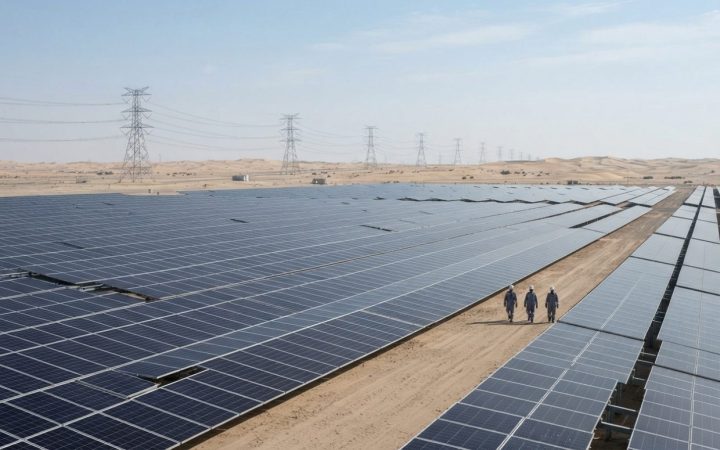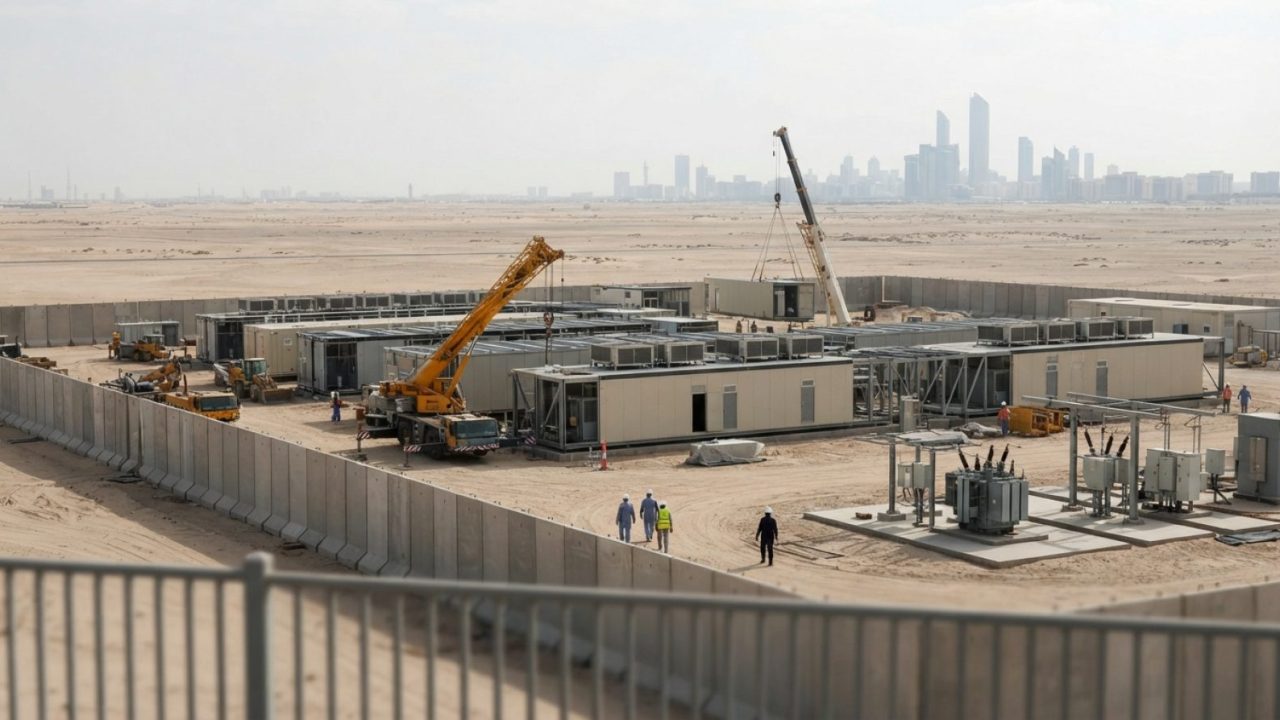
Construction across more than USD 100 billion in major artificial intelligence building projects in the Gulf has continued without widespread work stoppages, EnterpriseAM reported, citing industry analysts. Buildout activity persists across Saudi Arabia and the United Arab Emirates despite intermittent regional conflict, supply chain bottlenecks, and sharp increases in political violence insurance premiums.
Investor and hyperscaler enthusiasm has not visibly waned following earlier drone strikes that damaged Amazon Web Services data centers in the UAE and Bahrain, according to the publication. However, heightened risk profiles and physical defense requirements are squeezing margins and prompting greater investor scrutiny. Some component delivery delays have also emerged due to global data center construction demand and shipping disruptions around the Strait of Hormuz.
Risks to long-term digital hub viability have increased following renewed threats from Iranian authorities. Iranian Parliament Speaker Mohammad Bagher Ghalibaf announced plans on social media to establish a 'Persian Gulf Data Authority' to enforce restrictions against regional entities that provide land, energy, capital, or infrastructure to AI firms deemed complicit in military actions. The Iranian Revolutionary Guard Corps had earlier identified 18 companies as potential targets, including US technology firms and Abu Dhabi-based AI group G42.
Industry experts cited by EnterpriseAM, including digital infrastructure consultant Tahir Gok and Forecast International analyst Vincent Carchidi, noted that protecting sprawling data facilities against evolving aerial threats remains technically complex, causing some developers to adopt a wait-and-see stance regarding future regional expansion.
Sources
- EnterpriseAM · 2026-10-25