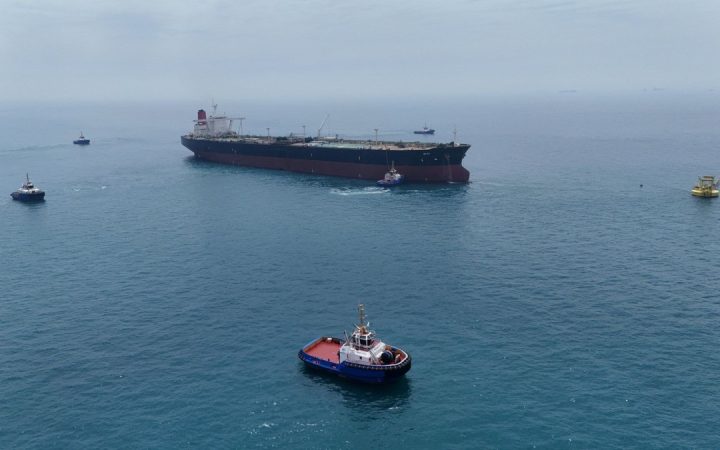
International Monetary Fund Managing Director Kristalina Georgieva stated on October 7, 2026, that elevated energy prices are projected to persist even after conflict in the Gulf region subsides. Ahead of the IMF and World Bank Annual Meetings in Bangkok, she indicated that Brent futures project oil prices near $100 per barrel through 2027, with refining shortfalls adding an extra crack spread of around $100 per barrel. She noted that Gulf natural gas exports remain restricted by navigation risks through the Strait of Hormuz, disproportionately affecting Asian and Chinese energy supply lines.
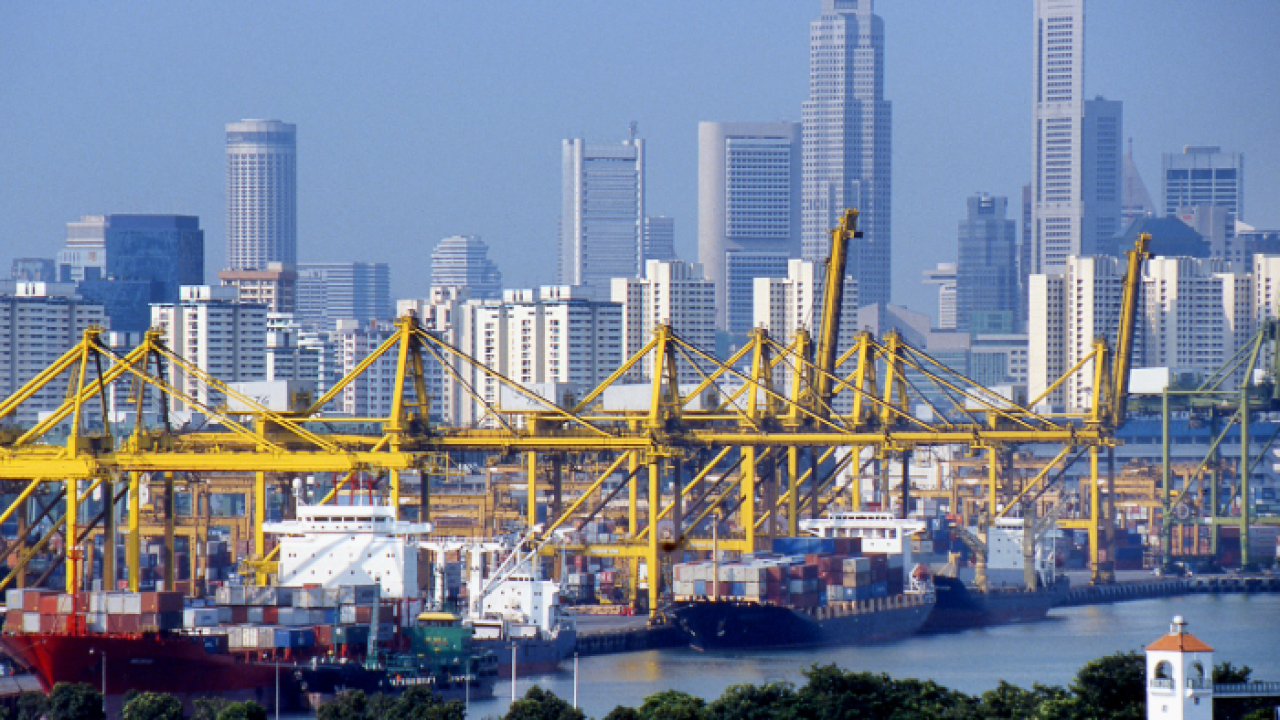
Meanwhile, senior commercial bankers at a Global Trade Review roundtable in Singapore stated that energy security concerns and artificial intelligence infrastructure demand are reshaping Asian trade finance. Shalin Shroff of Citi observed that Middle East instability has intensified energy security concerns among Asian buyers who traditionally sourced oil and gas from the region, pushing companies toward alternative suppliers in the US and Latin America, which requires increased working capital to finance longer transit times.
Belinda Han of MUFG noted that sharp price spikes in commodities including oil, LNG, plastics, and fertiliser have forced banks to rapidly expand credit facilities within days to cover clients' funding requirements. Maisie Chong of Standard Chartered added that companies are moving back toward traditional documentary trade instruments instead of open-account terms.
In addition to energy concerns, the investment cycle around AI data centres across China, Malaysia, Thailand, and Indonesia has generated substantial credit demand across supply chains, spanning semiconductors, power systems, and memory hardware, according to Charley Zhang of JP Morgan Payments.
Sources
- China Daily · 2026-10-07