- Issuing authority
- Gulf Cooperation Council
- Jurisdiction
- China and Middle East
- Stage
- Draft / consultation
- Official document
- GCC-China Free Trade Agreement
- Official source
- www.forbesmiddleeast.com
Discussions surrounding global trade, energy security, and artificial intelligence governance at a tripartite meeting in Shenzhen carry direct economic implications for the Gulf region, according to Forbes Middle East.
Gulf Cooperation Council economies are closely monitoring trade negotiations as regional negotiators work toward concluding an overarching free trade agreement with China. In parallel, China continues to advocate for deeper collaboration across industrial sectors, clean energy, and cross-border digital initiatives with its Gulf partners.
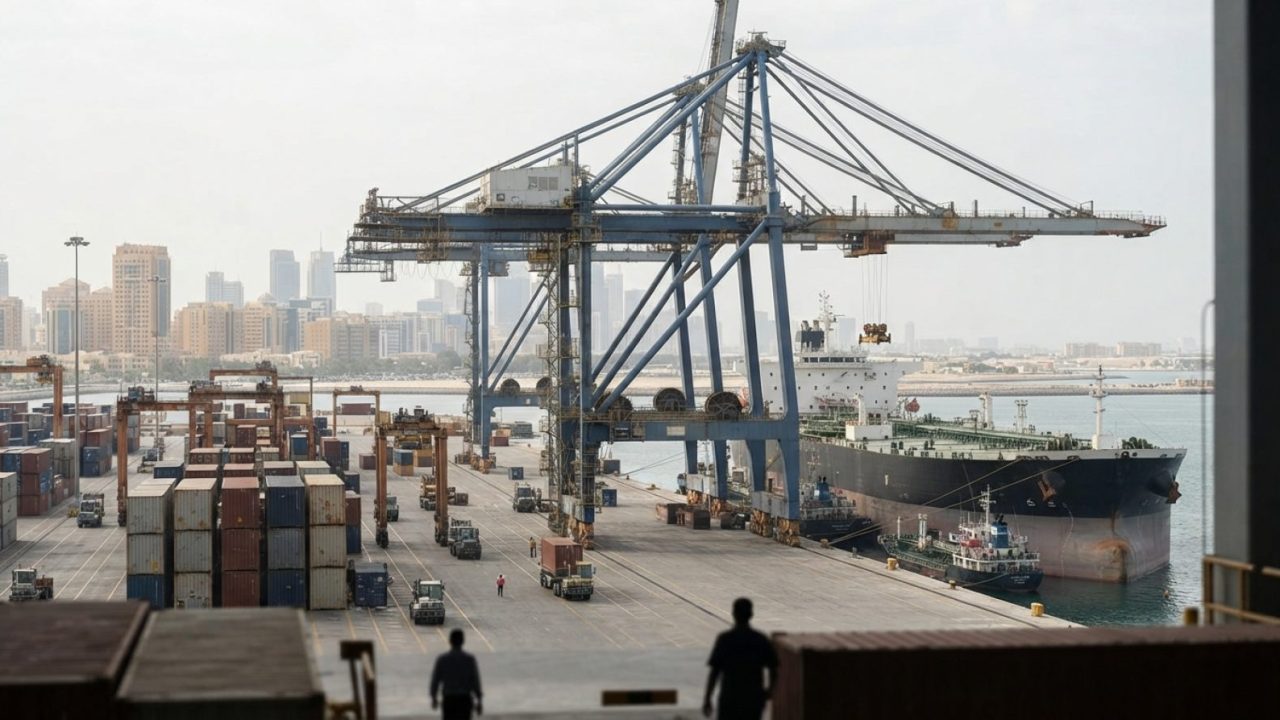
Commercial flows between China and Middle Eastern markets remain concentrated on securing crude maritime corridors while diversifying into high-tech manufacturing. Forbes Middle East noted that prospective bilateral and regional trade frameworks are anticipated to lower tariff barriers and expedite two-way capital deployments.
Sources
- Forbes Middle East · 2026-11-18