Skip to content

Connecting business. Building understanding. Advancing peace.

Iran

China–UAE News
Source: EnergyNow.com

Trump and Xi Discuss Hormuz Shipping as Maritime Incidents Impact Gulf Routes

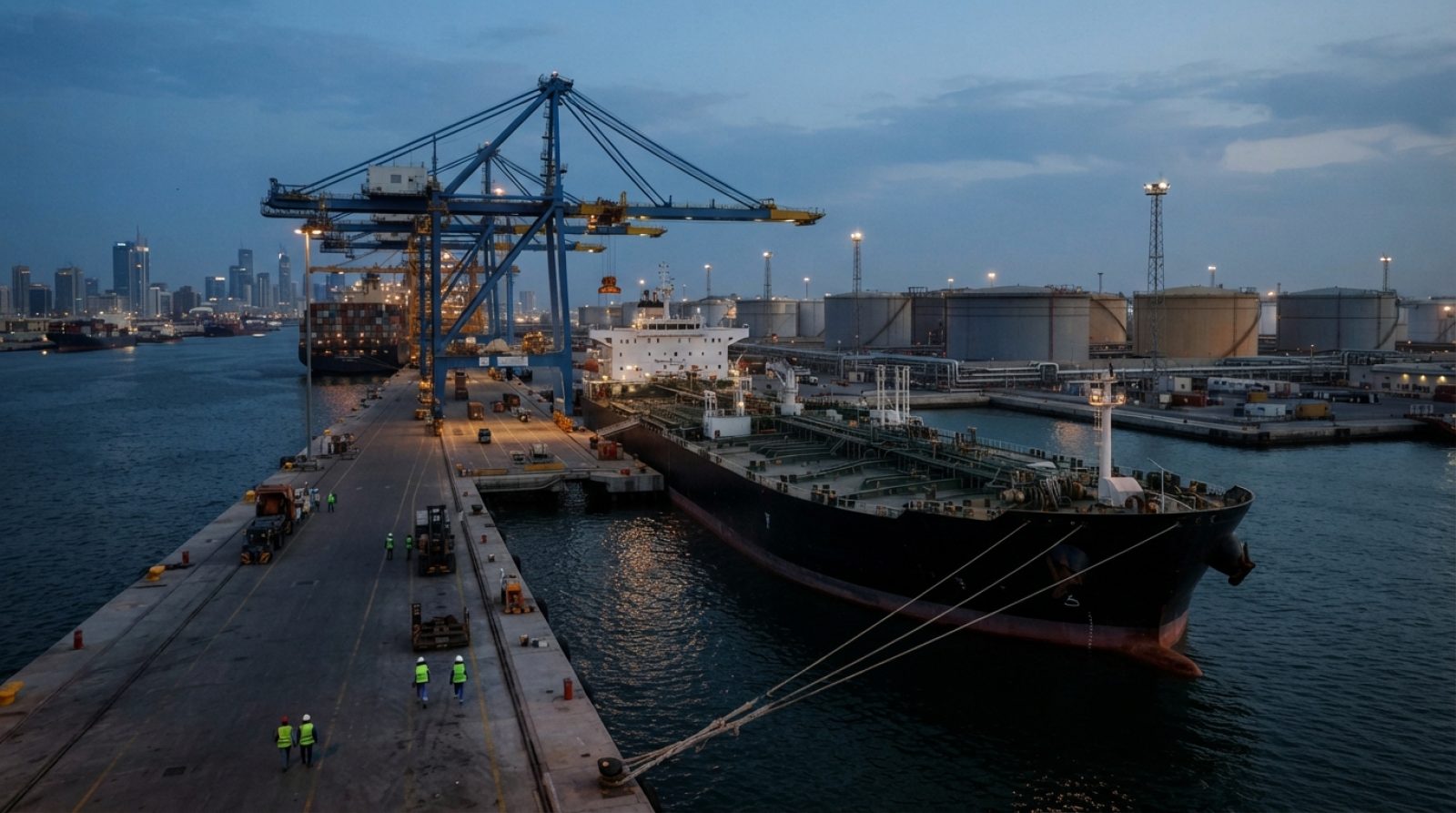
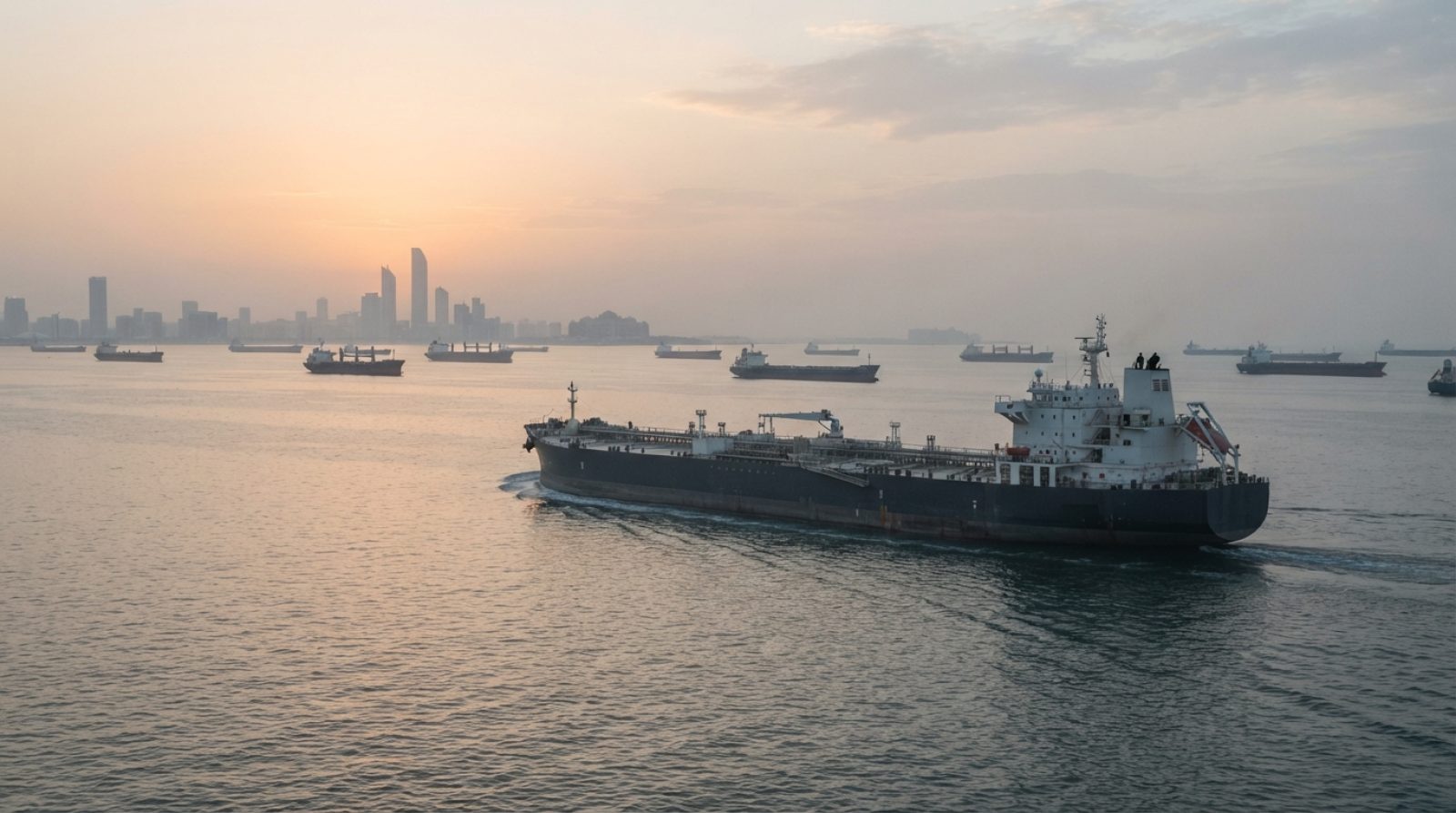
U.S. President Donald Trump and Chinese President Xi Jinping discussed the regional conflict and maritime passage through the Strait of Hormuz during talks in Beijing. Meanwhile, fresh shipping incidents were reported near the waterway, including a boarding off the UAE port of Fujairah and an attack off Oman. A White House official stated that both leaders agreed the strategic strait should remain open to international shipping.
Middle East Travel Alerts
Source: ИФЗ РАН

UAE Suspends Iranian Airline Operations Following Secondary US Aviation Sanctions

Wizz Air has delayed the restart of several European routes to Abu Dhabi from late October to January 10, 2027, following updated guidelines from the European Union Aviation Safety Agency (EASA). The carrier said ongoing Iraqi airspace closures require longer detours and refuelling stops for its A321neo aircraft, making flights commercially unviable at current fuel prices. In addition, services to Jordan have been suspended until October 25, 2026, after Jordanian airspace was placed on EASA's conflict zone restricted list.

China–UAE News
Source: Free Malaysia Today

US Iran Sanctions Enforcement Constrained by China-UAE Banking and Trade Networks

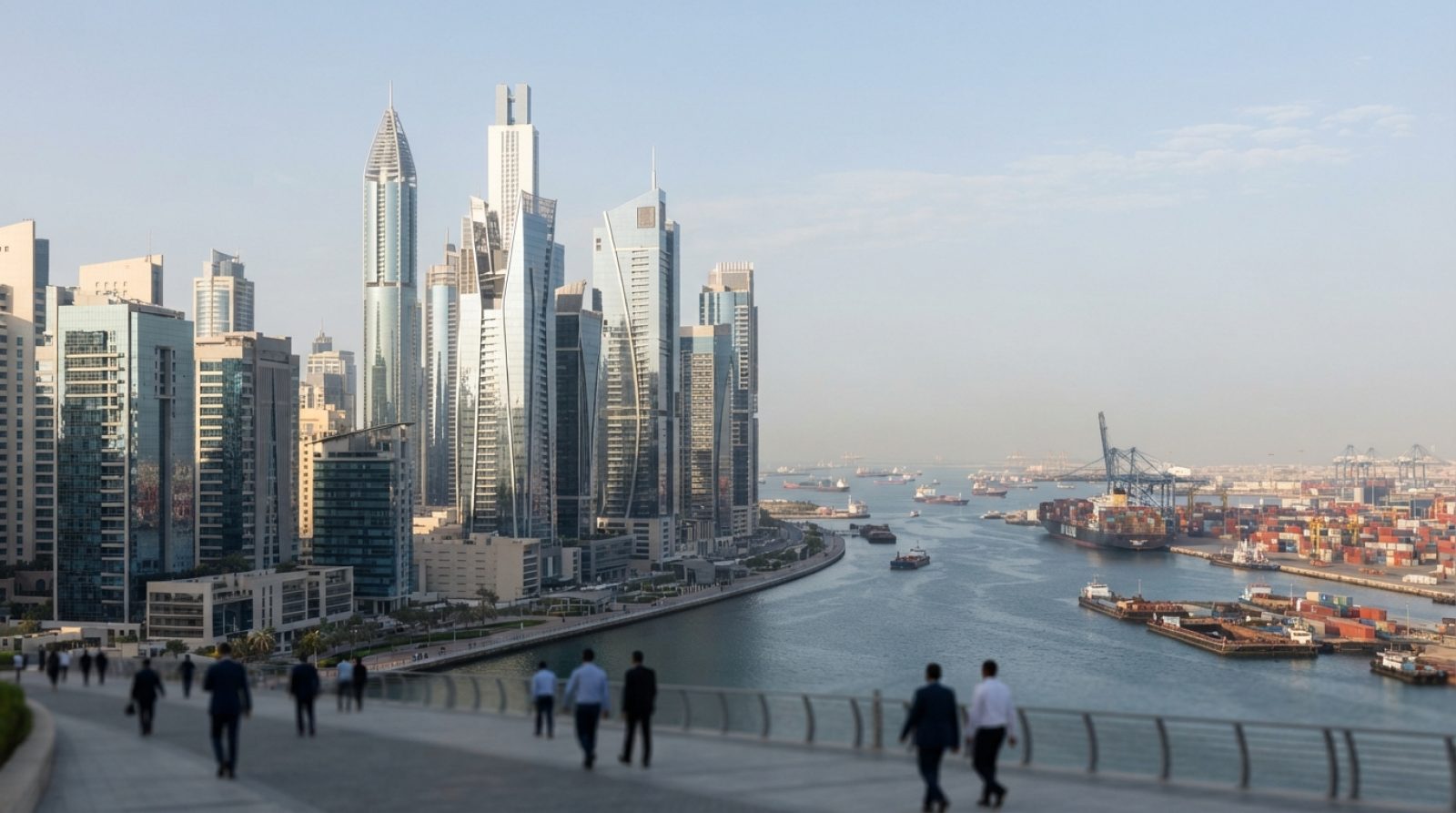
An analysis published by Free Malaysia Today indicates that US attempts to enforce a zero-leakage sanctions regime against Iran face significant operational obstacles. Iran's oil trade, of which China purchased an estimated 90% prior to Hormuz disruptions, largely clears outside the US dollar system via renminbi settlements and shadow networks in Dubai, Hong Kong, and Singapore. Consequently, financial compliance scrutiny is intensifying across financial institutions operating within the China-UAE corridor.

Policy & Legal Updates
Source: Free Malaysia Today

US Iran Sanctions Campaign Strains China-Dubai Trade and Banking Compliance

US Treasury measures against Iran place an increasing investigative burden on foreign banks to monitor opaque cross-border transactions, including transfers disguised between Hong Kong and Dubai companies. Prior to the closure of the Strait of Hormuz, China bought an estimated 90% of Iran's oil exports, with trade largely settling in renminbi through shadow-banking channels. Secondary sanctions under Operation Economic Outcast threaten to cut non-compliant foreign institutions off from dollar clearing.

The UECN Brief

Policy updates, China–UAE business news and industry insights, delivered to your inbox.

Language
Subscriptions

Double opt-in: we send a confirmation link. Unsubscribe at any time. Privacy