Dubai's real gross domestic product fell 2.3% year on year in the first half of 2026 to about AED 473 billion ($128.8 billion) as regional conflict hit trade, transport, and tourism, bne IntelliNews reported, citing official figures published on October 17 by the Dubai Data and Statistics Establishment. In current prices, the emirate's GDP rose 0.2% to approximately AED 505 billion.
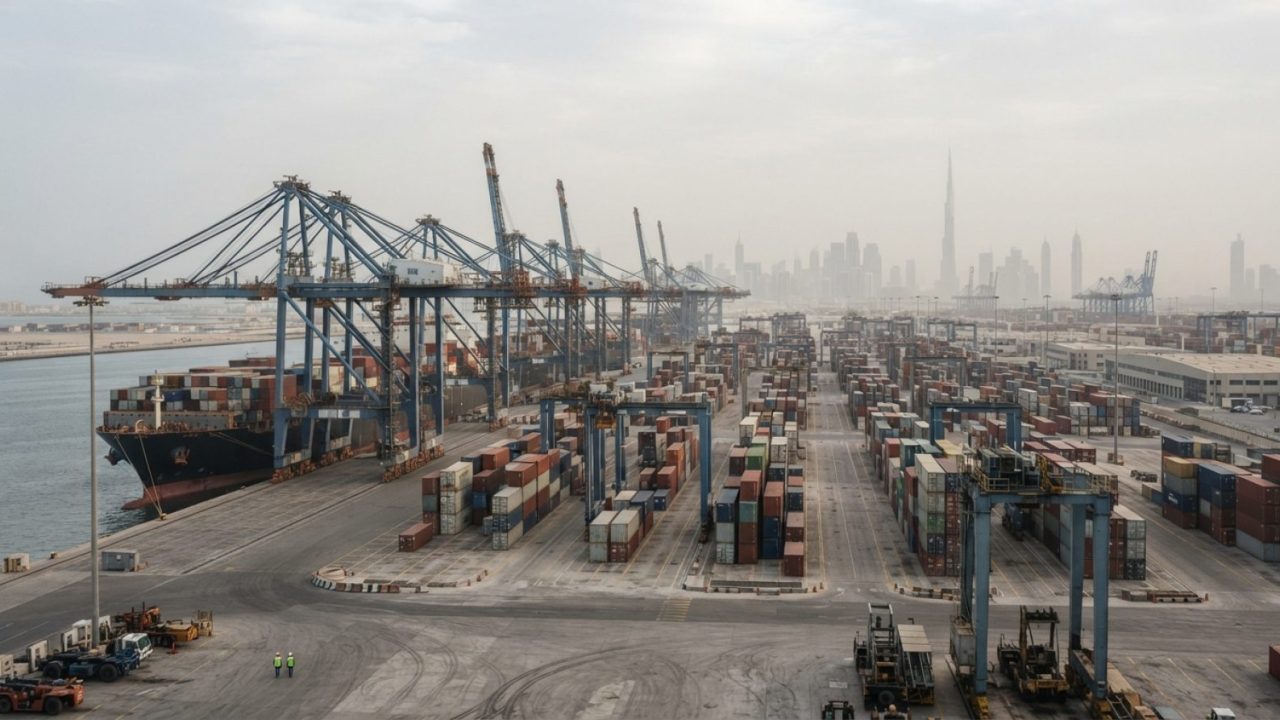
Sector data revealed that wholesale and retail trade—Dubai's largest sector at 20.5% of total output—contracted by 6%, while transport and storage fell 7.4%. Real estate output decreased by 2.5% and manufacturing declined by 0.9%. Conversely, financial services expanded 8.8% and healthcare grew 14.3% during the same six-month period.
According to an analysis published on October 21 by Oxford Economics, the half-year contraction reversed a 2.4% expansion recorded in the first quarter and implies an estimated 6% year-on-year drop in the second quarter. Unlike the wider UAE, which recorded overall GDP growth of 0.4% in the first half supported by oil production, Dubai lacks an oil cushion and relies heavily on trade, aviation, and tourism hubs.
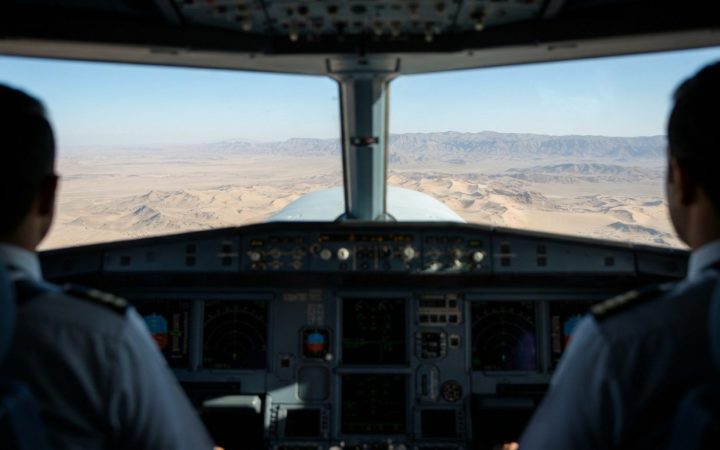
Operational figures highlighted sharp disruptions to cross-border movement, with airport passenger volumes dropping by nearly a third in the first half and international visitor numbers declining 44.4% year on year over the first eight months. While air traffic improved during the second quarter and the UAE Purchasing Managers' Index held at 55.3 in September, Oxford Economics stated that a full rebound in tourism and logistics is not expected until well into next year, forecasting a 1.8% contraction for the UAE in 2026 followed by a 6% rebound in 2027.
Sources
- IntelliNews · 2026-10-22