
- Issuing authority
- Dubai Municipality
- Jurisdiction
- Dubai, United Arab Emirates
- Effective date
- September 8, 2026
- Stage
- Final rule
- Official document
- Planning and Building Requirements Guide for Shared Housing and Permitted Areas
- Official source
- news.google.com
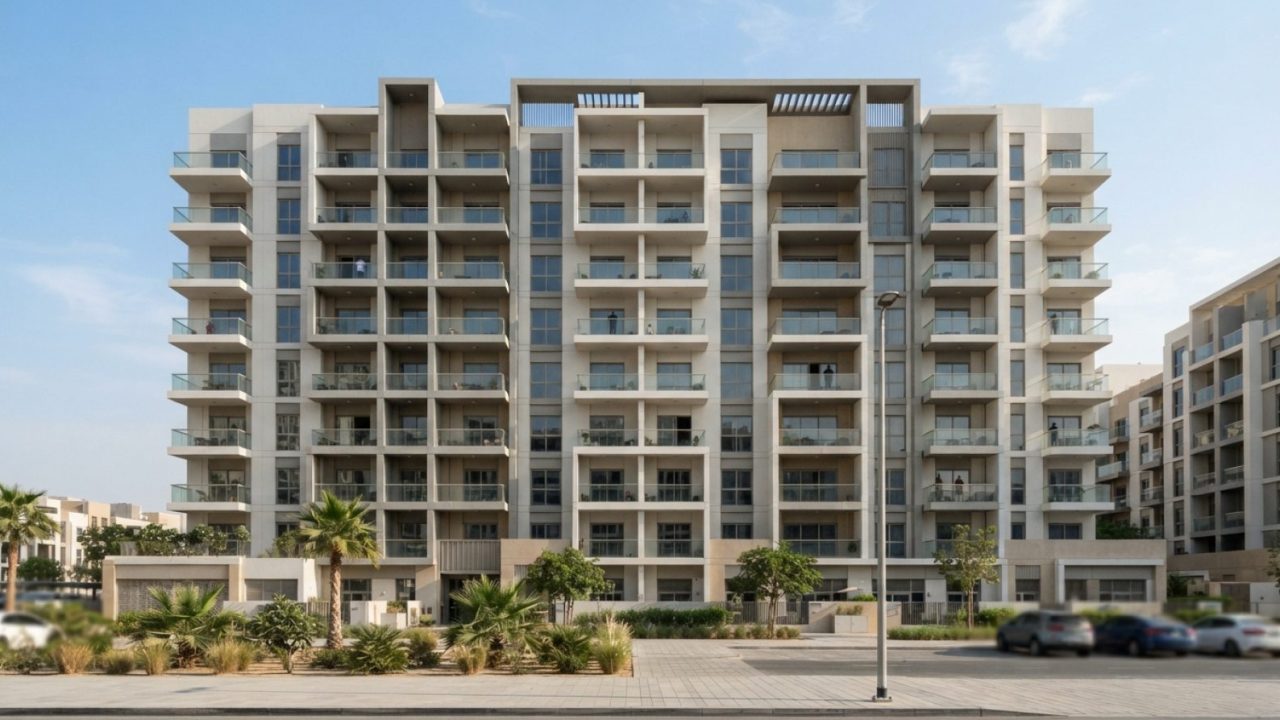
Dubai's new shared-housing rules took effect on September 8, granting owners of buildings and villas currently used for shared accommodation until September 8, 2027, to comply, according to Khaleej Times. The regulatory guide mandates official permits, specifies approved zones, and establishes minimum space and facility thresholds.
Under the guidelines, bedrooms must provide at least five square metres of space per occupant. For individual shared housing, bathroom requirements mandate at least one toilet per four occupants and one shower per six occupants when separate, or at least one complete bathroom per four occupants if combined. Kitchens must allocate at least one square metre per resident and meet safety and hygiene rules, while buildings must offer laundry, drying, and multi-purpose facilities.
For family accommodation, each family must be provided a dedicated bedroom equipped with an en-suite bathroom. Entire properties must be designated exclusively for either family or individual shared living, prohibiting mixed occupancy within the same building or villa. Engineering consultants are required to inspect and submit property details, including room dimensions, occupancy counts, and fire, sanitation, electrical, environmental, and security installations.
Property operators and agents interviewed by Khaleej Times stated that while the regulations will improve living conditions and ease pressure on shared amenities, lower occupancy limits could increase individual costs. Karama-based real estate agent Abdul Gaffar estimated that monthly bed-space rates could rise by Dh200 to Dh300 per person in some areas as fewer tenants absorb property operating expenses.
Sources
- Khaleej Times · 2026-10-11