
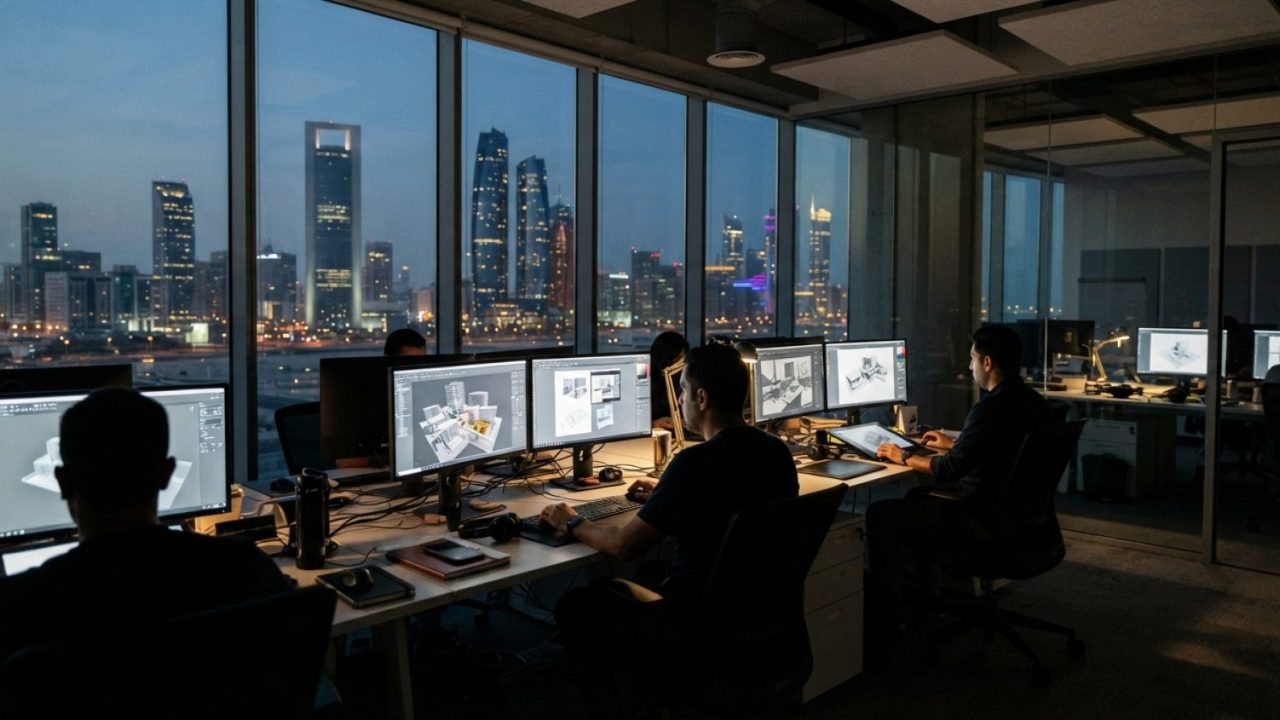
The creative industry is emerging as an increasingly significant driver of economic growth across BRICS+ countries, underpinned by intellectual property, digital technology, cultural assets, and creative talent, according to an analysis by TV BRICS reported by Bernama. The shift reflects a wider global economic transformation where knowledge and creative capital are gaining greater prominence alongside conventional sectors.
Within the bloc, TV BRICS identified divergent models of development, highlighting technology-driven approaches in China and the United Arab Emirates, hybrid frameworks in Russia and Brazil, and culturally driven models across countries including India, South Africa, Iran, Egypt, and Ethiopia. The creative sector encompasses design, architecture, education, advertising, new media, cinema, visual arts, music, and jewellery.
China represents the largest creative economy among BRICS+ members, valued at US$879 billion, followed by Indonesia at US$105 billion, Russia at US$87 billion, and Brazil at US$78 billion, according to the report. Globally, the United Nations regards the creative economy as a key driver of sustainable development.
The report noted that the global creative industry market reached an estimated US$2.9 trillion in 2024 and is projected to surpass US$4.3 trillion by 2033, expanding at an average compound annual growth rate of 4.3 per cent. Its contribution to global gross domestic product could reach 10 per cent by 2030, although investors continue to view the sector as less of an independent asset class compared to traditional industries like trade and construction.
Sources
- Bernama · 2026-09-29