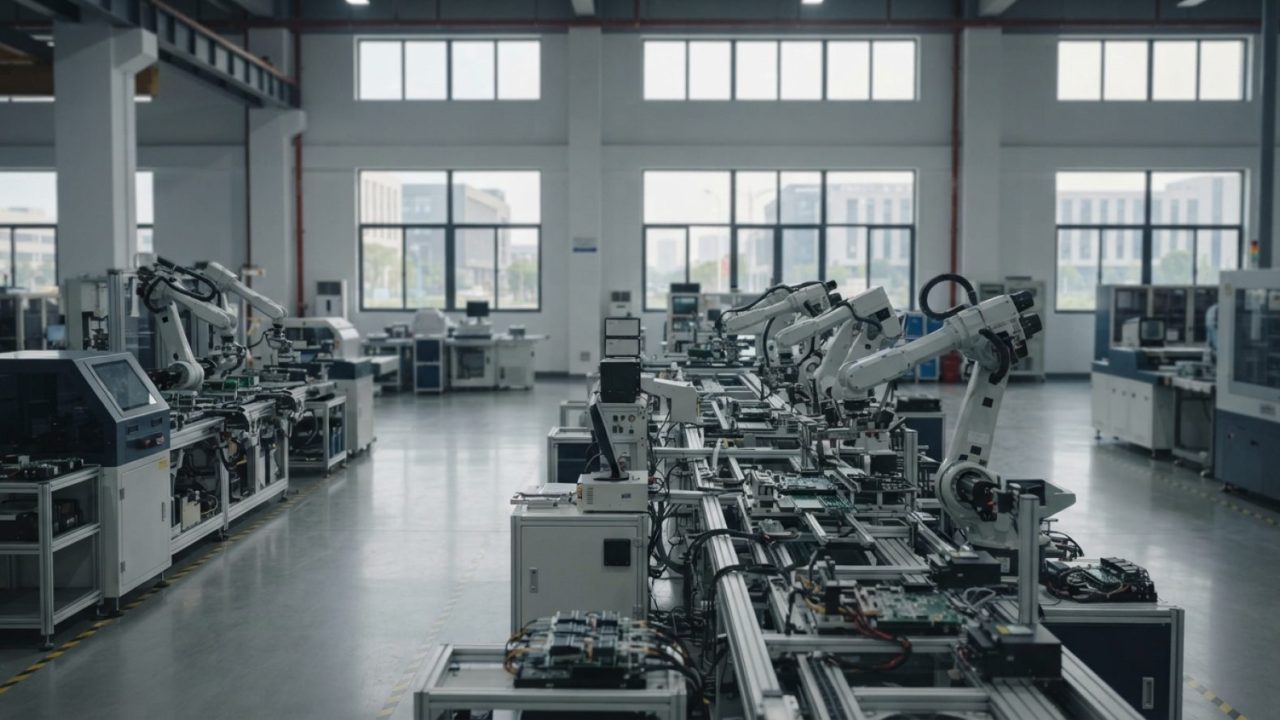
China's factory activity slipped back into contraction territory in October, official data reported by Sharjah24 via AFP showed on Saturday. The manufacturing purchasing managers' index (PMI) registered at 49.3, falling below the 50 mark separating expansion from contraction. The reading missed the 49.9 forecast projected in a Bloomberg survey of economists and dropped below September's 50.1 and August's 49.8, though remaining above the 49.2 recorded in July.
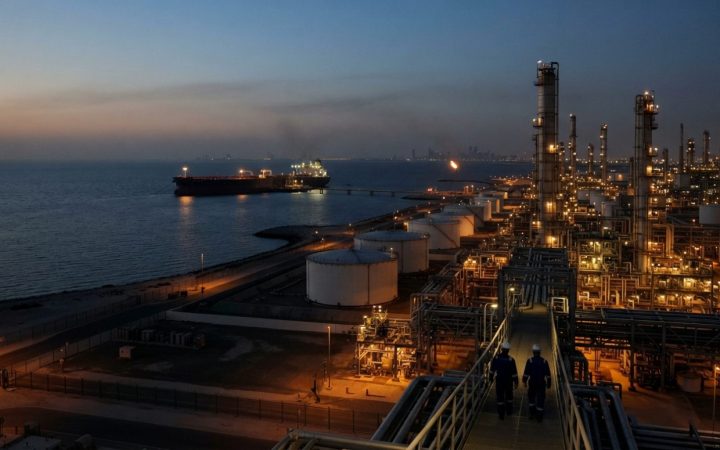
National Bureau of Statistics (NBS) statistician Huo Lihui stated that the decline was partly driven by the week-long national holiday at the start of October and a "complex and volatile international environment." Huo noted that climbing prices for international crude oil elevated the costs of coal, rubber, and plastic products. Although the high-tech sector maintained positive development momentum driven by artificial intelligence demand, the consumer goods PMI fell by 1.9 percentage points from September, signaling weakened market activity.
Activity across non-manufacturing sectors also softened during the month. The non-manufacturing PMI, which monitors services and construction activity, dropped to 49.7 in October from 50.2 in September, also missing Bloomberg's forecast of 50.0.
The figures emerge as Beijing targets annual economic growth of 4.5% to 5.0% for the year, its lowest target in decades. Pinpoint Asset Management chief economist Zhiwei Zhang stated that strong exports alone are insufficient to sustain economic momentum, adding that China will require more significant policy support to stimulate domestic demand if external demand weakens in 2027.
Sources
- Sharjah24 · 2026-10-31