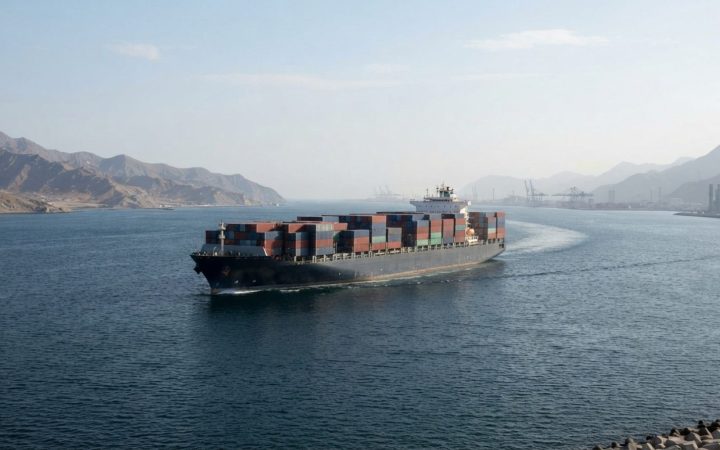
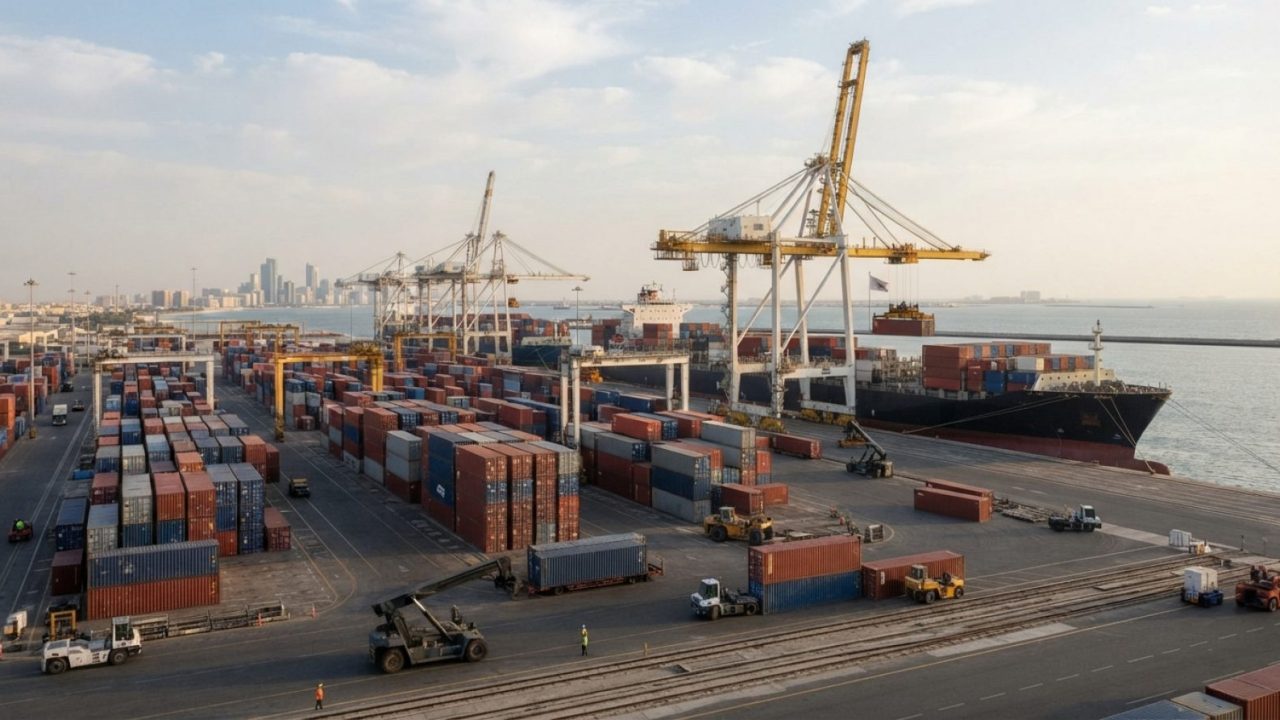
According to a report by Africa Confidential, China and the United Arab Emirates are leading investments across Africa's ports and logistics sectors, while the European Union, Saudi Arabia, and the United States trail behind. The UN Economic Commission for Africa estimates that the continental single market accord could drive a 28% increase in intra-African freight demand by 2030. However, port congestion and aging infrastructure persist, with the African Development Bank estimating an annual transport and logistics financing gap of $130 billion to $180 billion against current annual investments of approximately $62 billion.
Emirati capital is heavily concentrated in maritime hubs through major operators DP World and AD Ports, which collectively operate or own facilities in nine African countries and maintain logistics networks across most African states. Reported UAE deals include a $7 billion agreement signed in September between DP World and Nigeria's Dangote Group to develop a deep-water port at Olokola in Ogun State, alongside a $90 million DP World commitment to upgrade Angola's Port of Luanda in coordination with broader Chinese infrastructure financing.
China remains the primary trading partner for 53 of 54 African countries and has anchored vital transport arteries, including committing over $4.6 billion in capital to the Addis Ababa–Djibouti corridor and railway. Additional recent regional projects include over $900 million in pledges secured by Angola for a deep-water logistics hub north of Luanda, as well as ongoing negotiations over a $1.5 billion highway expansion in Kenya, a $2.4 billion logistics hub in Sokhna, Egypt, and a $1.4 billion refurbishment of the Tazara railway connecting Tanzania and Zambia.
Nicholas Mitsos, former Deputy Chief Executive of China Overseas Infrastructure Development and Investment Corporation, told Africa Confidential that while Beijing curtailed parts of its broader continental Belt and Road lending around 2019–2020 due to balance sheet concerns, ports and logistics remained an exception. Container terminals and commercial transit corridors proved capable of generating immediate revenue and rapid operational profitability, strengthening the long-term logistical foothold of both China and Gulf operators.
Sources
- Africa Confidential · 2026-11-05