The United Arab Emirates' withdrawal from OPEC has been widely interpreted by market observers as reducing the influence of the oil producer group and potentially initiating an output race that lowers crude prices. However, an analysis by Reuters columnist Clyde Russell published via EnergyNow argues that regional conflict involving the United States, Israel, and Iran has disrupted global energy markets to an extent that makes conventional expectations questionable.
Russell noted that losing the UAE—its fourth-largest producer accounting for about 12% of group output—is a blow to OPEC, particularly because the UAE and Saudi Arabia are the two producers best positioned to ramp up output rapidly. Nevertheless, the 65-year-old organization has historically weathered departures, including Angola in 2024, Qatar and Ecuador in 2020, Indonesia in 2016, and Gabon in 1995.
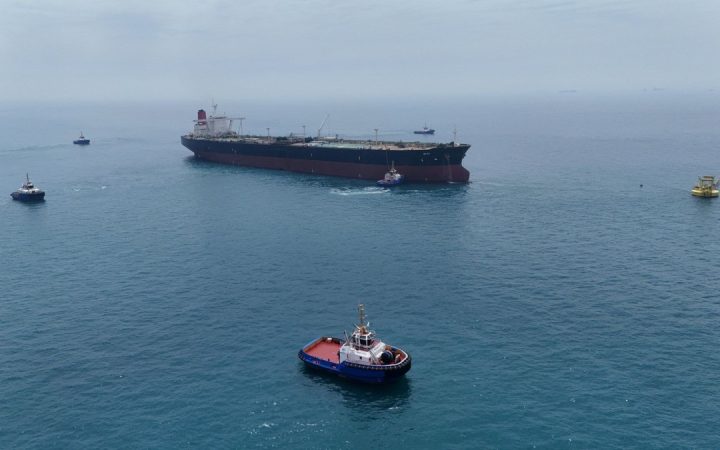
According to the commentary, crude supply outcomes remain constrained by disruptions in the Strait of Hormuz, shut-in fields, and regional energy facilities damaged by drones and missiles. Russell added that much will depend on whether Saudi Arabia and Russia engage in a volume and price war, which would primarily pressure high-cost producers such as U.S. shale rather than simply disciplining the UAE.
Sources
- EnergyNow.com · 2026-09-26