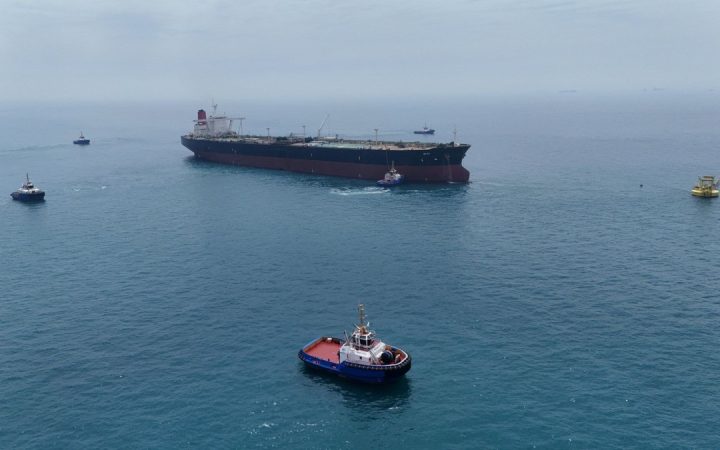
Food retailers and manufacturers in the United Arab Emirates are restructuring their supply chains in response to maritime transport disruptions associated with regional conflict and the closure of the Strait of Hormuz, according to reports by The National and UA.NEWS. With sea freight transits stretching up to 70 days for certain routes, businesses are sourcing closer to home, placing raw material orders well in advance, and directly contracting logistics capacity.
Shamin Sainulabdeen, director of private labels at Lulu Group International, stated that extended transit times pose severe challenges for perishable goods with limited shelf lives. Given that approximately 80% of food consumed in the UAE is imported, the retail chain is actively pivoting away from primary reliance on North American and European suppliers toward Asian markets and local partnerships.
To secure deliveries across GCC countries where it operates, Lulu Group has begun utilizing chartered aircraft and chartered cargo vessels. The group is chartering ships exclusively for its own cargo from origins including China, India, Thailand, Indonesia, Spain, Turkey, and Italy, moving away from shared multi-shipper consignments toward consolidated, self-managed maritime shipments.
UAE-based food producers are also adjusting operational models to prevent supply gaps. United Foods, a producer of edible oils and ghee, has focused on bulk forward purchasing, with senior B2B manager Mohamad Ziad Al Najjar noting that raw material consignments are now scheduled months ahead to maintain buffer stocks lasting up to five months. Meanwhile, Al Ain Farms Group chairman Tarek Al Hosani reported an intensified focus on local manufacturing, noting strong consumer alignment with the 'made in the UAE' designation.
Sources
- UA.NEWS · 2026-10-09
- Gemini News Search — Industry News · 2026-10-09