- Issuing authority
- U.S. Department of Commerce Bureau of Industry and Security
- Jurisdiction
- United States
- Stage
- Amendment
- Official document
- Interim rule on remote access to AI chips and servers
- Official source
- news.google.com
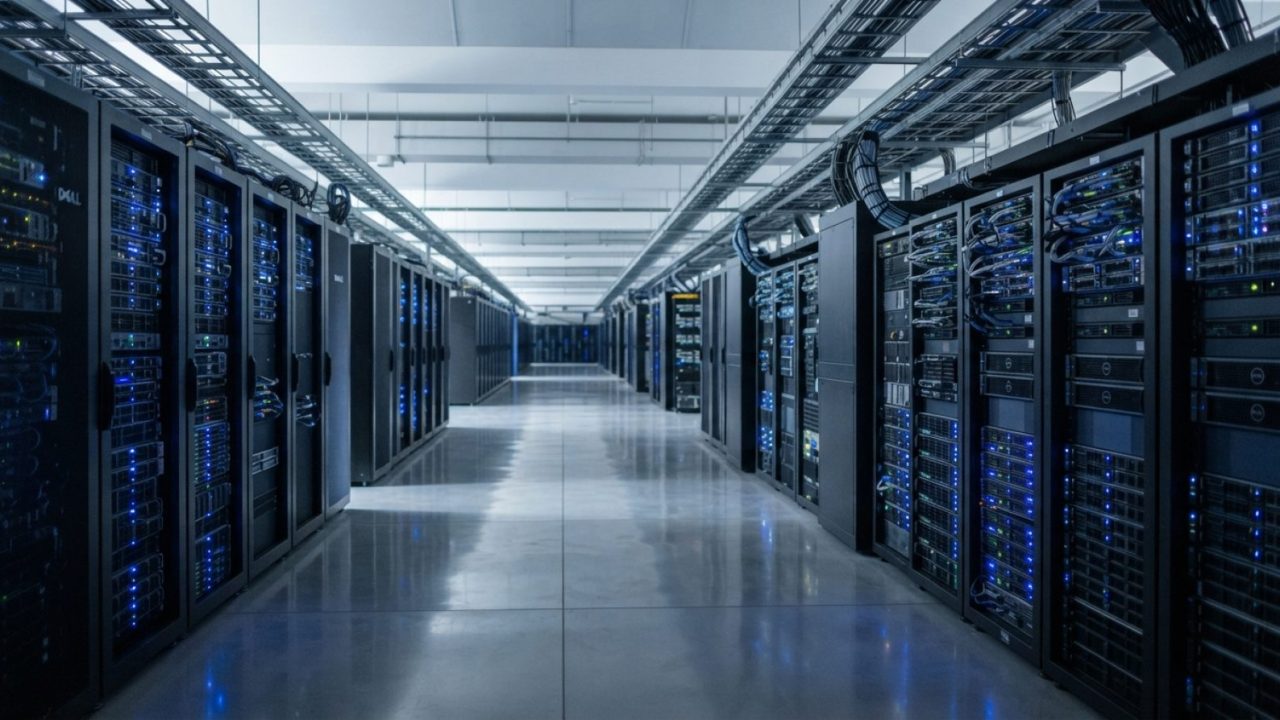
Leadership changes at Nvidia following the resignation of Chief Executive Jensen Huang, alongside expanding U.S. export controls, have raised new uncertainties for major Gulf artificial intelligence projects, according to Fortune. In the UAE, Abu Dhabi's planned 5-gigawatt AI Campus centers on the 1-gigawatt Stargate UAE computing cluster developed by G42 in partnership with Nvidia using Grace Blackwell GB300 processors, while Saudi Arabia's Humain plans to deploy roughly 27,000 Nvidia GPUs.
Under an interim rule issued by the U.S. Department of Commerce's Bureau of Industry and Security, tech providers must secure licenses to export, reexport, or transfer AI chips and servers to data centers globally if the hardware could be accessed by parties from 22 embargoed jurisdictions, including China. The regulation is specifically designed to eliminate loopholes that enabled Chinese firms to lease Nvidia compute power through third-country hosting providers.
Sam Winter-Levy, a senior fellow at the Carnegie Endowment for International Peace, told Fortune that the remote access restriction primarily affects Gulf operators if they lease compute capacity to Chinese-parented businesses, while leaving the UAE's baseline access largely intact after Washington relaxed restrictions in July. However, Mohammed Soliman of the Middle East Institute noted that Huang's departure and increased scrutiny from U.S. lawmakers could slow shipment timelines and weaken commercial momentum.
U.S. lawmakers are also seeking to attach stricter safeguards—such as chip location verification requirements—to upcoming legislation including the National Defense Authorization Act. While Gulf capital investments in U.S. technology infrastructure provide the region with reciprocal leverage, analysts emphasize that local AI deployments remain exposed to regulatory adjustments in Washington.
Sources
- Fortune · 2026-11-18