- Affected country
- —
- Location / route
- —
- Official source
- —
- Published by source
- —
- Effective period
- Not stated
- Last verified
- — — verification pending
- Status
- Active
Summary of official information. Always check the official source and follow the guidance of the authorities. UECN does not issue risk ratings; the absence of an alert does not mean that a destination is safe.
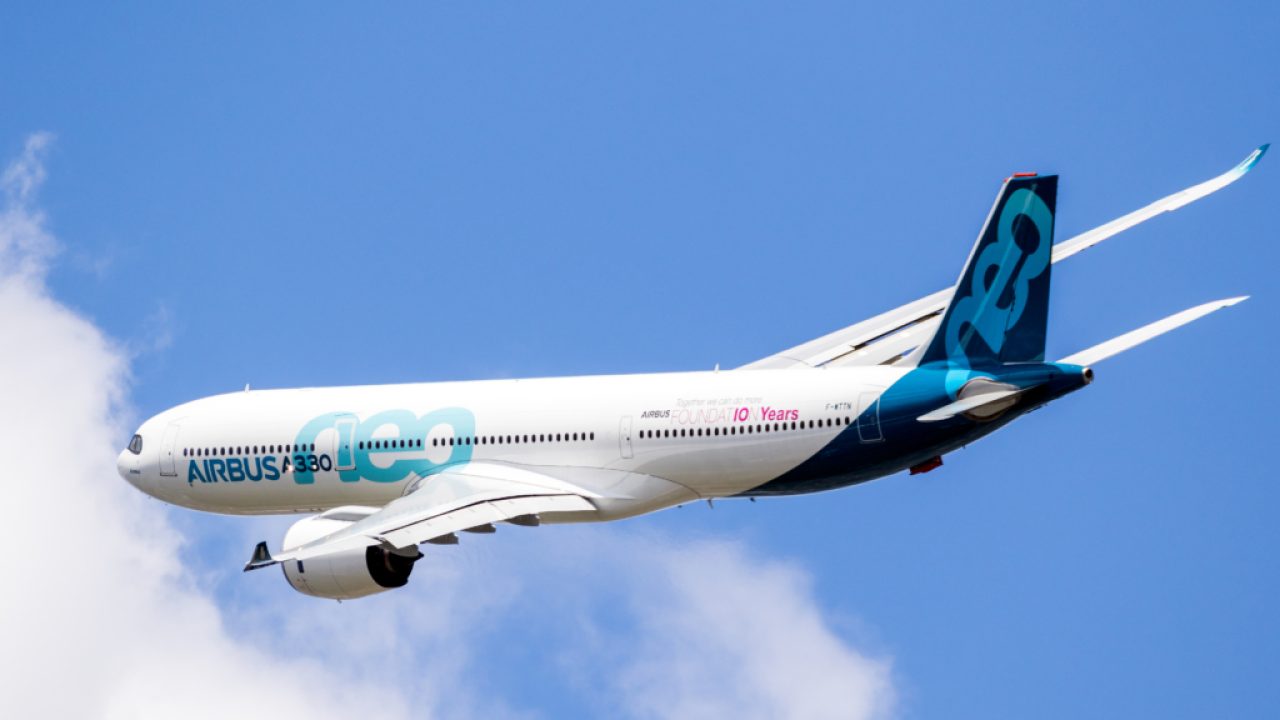
Speaking at the Routes World 2026 conference in Frankfurt on November 2, Airbus regional vice-president Grainne Van den Berg stated that Middle East airspace closures are adding 45 to 90 minutes to affected flight corridors. She noted that extended flight times and destination volatility have made several routes commercially or operationally unviable, prompting airlines to shift fleet capacity to viable markets.
Van den Berg cited operational redeployments across multiple carriers, noting that Air France had suspended services to Dubai for several months and redirected that capacity to Asian markets including India, Japan, and Thailand. Carriers are also leveraging fuel-efficient aircraft to mitigate elevated operating costs.
Regional airlines have also adjusted operations in response to airport disruptions. Kuwait-based Jazeera Airways temporarily moved its operations to an airport in northeastern Saudi Arabia and transported passengers across the border during a 57-day closure of Kuwait's airport. Additionally, Riyadh Air has operated selected flights via Al Qassim Airport since October 25 following the closure of Riyadh's primary airport.
Van den Berg noted that geopolitical volatility has lowered growth projections for 2026, citing International Air Transport Association data that showed a traffic contraction in August despite slightly positive year-to-date numbers. Nevertheless, Airbus maintained its long-term outlook, projecting demand for approximately 42,000 new aircraft across the industry over the next two decades and emphasizing the need for continued airport infrastructure investment.
Sources
- Aerospace Global News · 2026-11-02