- Affected country
- Iran
- Location / route
- Iran overland border crossings and regional flight routes
- Official source
- Google News — Middle East travel disruption
- Published by source
- September 29, 2026 8:50 AM CST
- Effective period
- Not stated
- Last verified
- September 29, 2026 9:42 PM CST — verification pending
- Status
- Active
Summary of official information. Always check the official source and follow the guidance of the authorities. UECN does not issue risk ratings; the absence of an alert does not mean that a destination is safe.
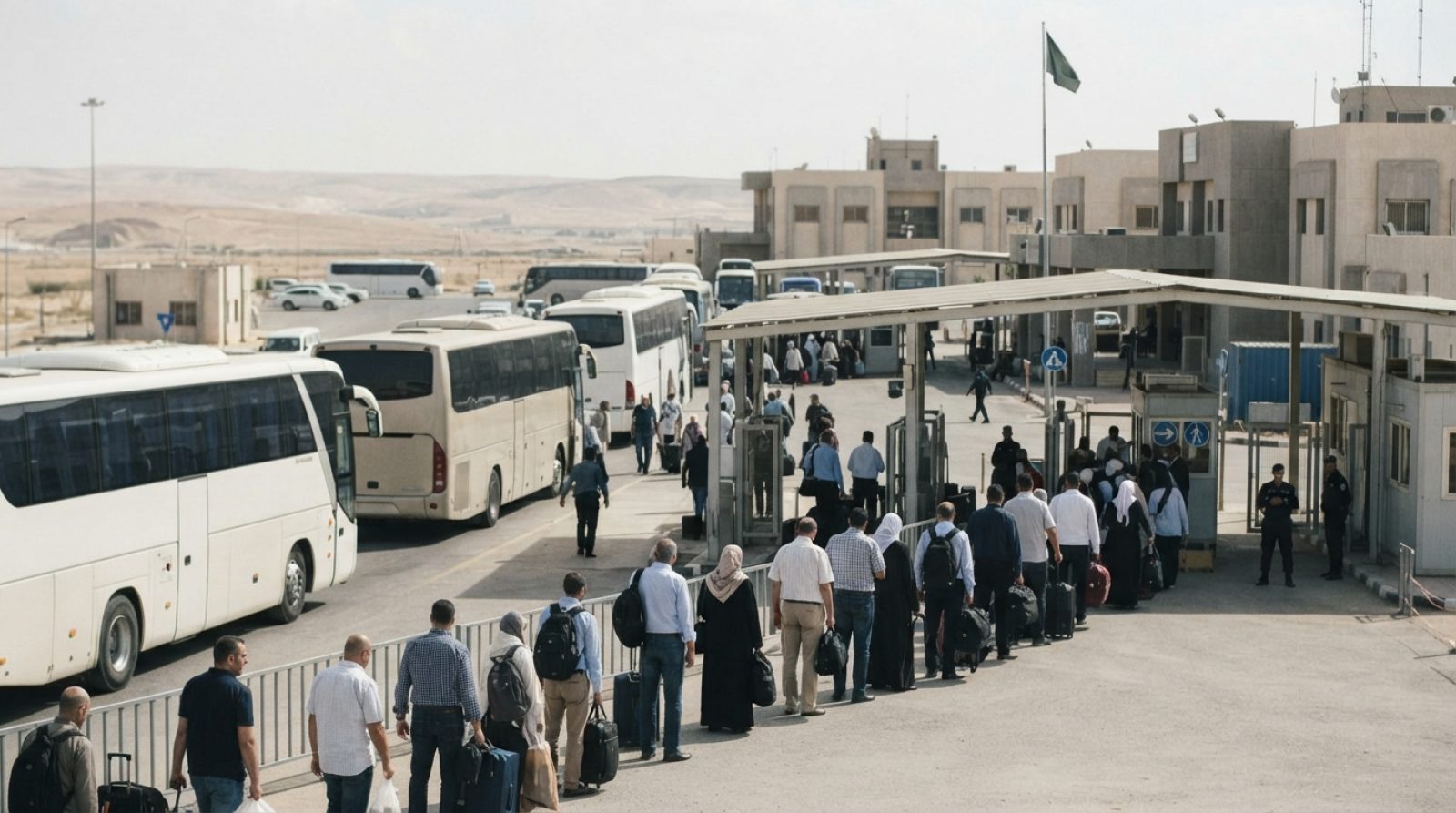
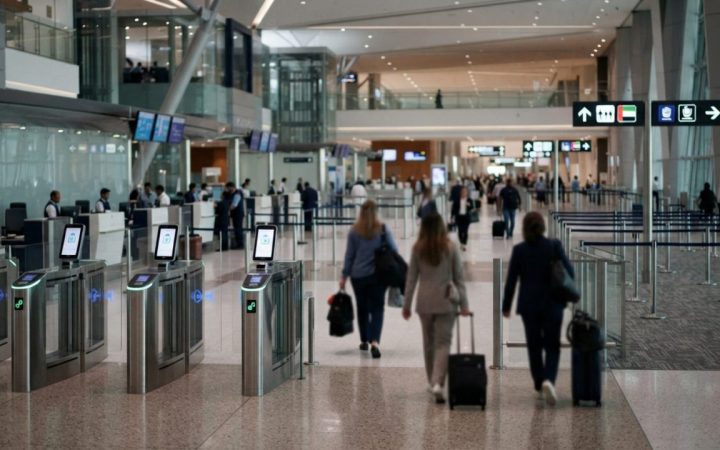
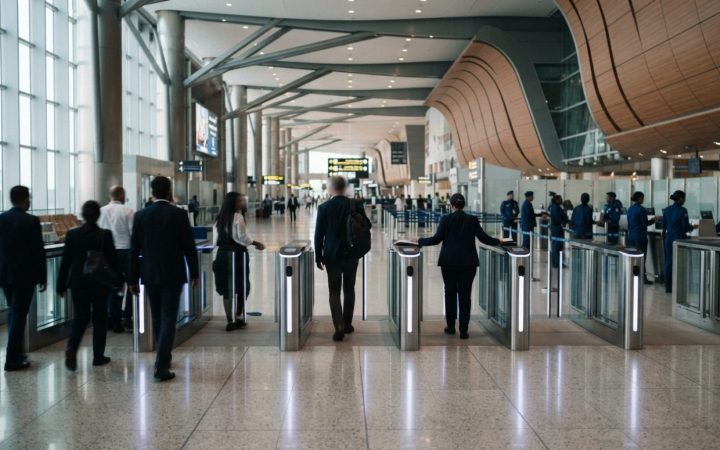
Heightened US aviation sanctions are driving passengers toward crowded land border crossings as foreign airports cease servicing Iranian commercial flights to avoid secondary penalties from Washington, according to SuaraGarut.ID. The US Department of the Treasury's targeted measures under Operation Economic Outcast risk penalizing international ground handling, ticketing, and fueling companies that support Iranian airlines, rendering commercial flights unpredictable across regional routes including Oman, Iraq, Azerbaijan, and Georgia.
Washington maintains that Iranian commercial airlines transport military personnel and cargo alongside civilians, with Mahan Air specifically facing accusations of aiding the Islamic Revolutionary Guard Corps (IRGC). Regulatory pressure intensified after US authorities suspended the J-1 general license, which previously permitted select non-Iranian aircraft short stays in Iran under specified foreign control conditions. Because most commercial airliners incorporate US-manufactured components, ground and handling service providers face heightened legal exposure when servicing flights linked to Iranian airspace.
Operational challenges have also been compounded by internal fleet constraints within Iran's aging civil aviation sector. Iranian Transport Minister Farzaneh Sadegh previously disclosed that select domestic flights function without radar guidance, placing navigational responsibility on flight crews managing a constrained fleet. Alireza Salavati, political economy analyst and managing director of London-based Middle East Analytica, stated that officials reported in July that roughly 150 aircraft were in Iran's operational pool, with only about half operational at any given time.
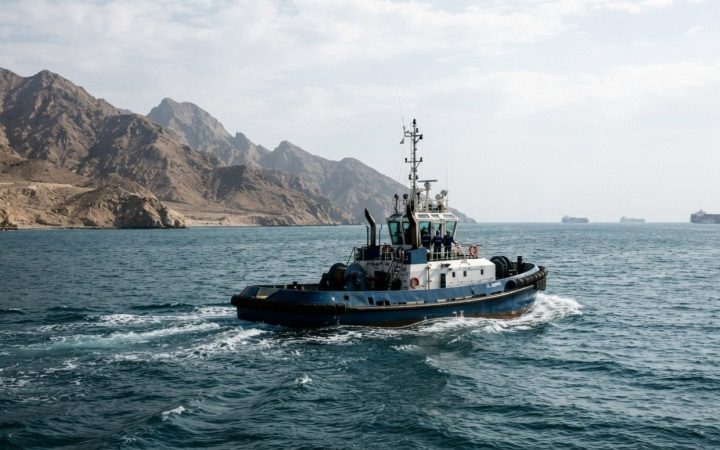
Salavati noted that the loss of air connectivity imposes severe delays on business travelers, diaspora members, students, specialist workers, and medical patients. The disruptions have forced travelers to adjust itineraries via overland border checkpoints, significantly elevating total transportation, accommodation, and potential visa expenses. Furthermore, with air cargo services for essential medical supplies constrained alongside maritime trade complications around the Strait of Hormuz, Iran's international commerce remains increasingly reliant on land routes and transit arrangements with adjacent states.
Revision history
- Active Published automatically from the official source
Sources
- SuaraGarut.ID · 2026-09-29