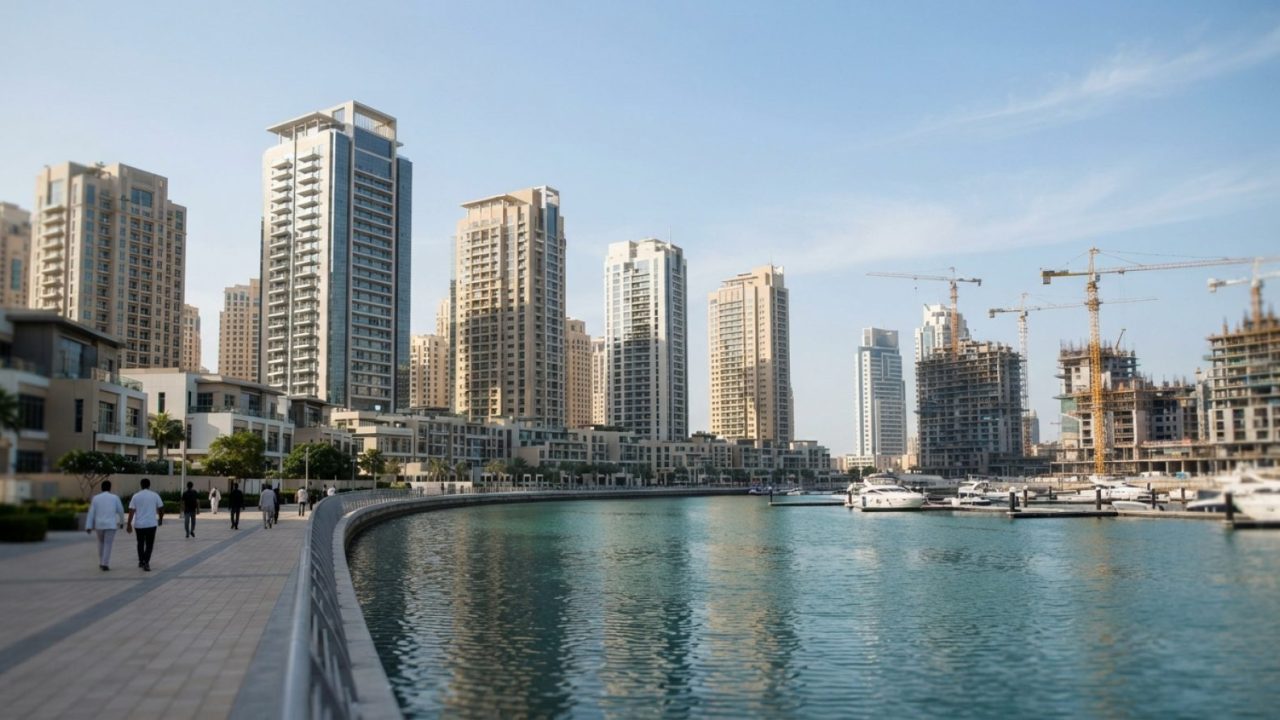
Property demand in Dubai and Abu Dhabi cooled in the third quarter following regional conflicts that began in February, according to data tracked by JLL. Total sales transactions in Abu Dhabi fell 9.6 percent year on year in the third quarter, marking the first annual contraction since early 2026, while town-house prices declined 8.3 percent from the preceding quarter. In Dubai, sales volumes slumped 37.7 percent over the same period, with flat and villa prices softening by 1.8 percent and 1.6 percent, respectively.
Analysts noted that the UAE could see renewed support for residential demand and pricing if significant midterm losses for US President Donald Trump's Republican Party contribute to ending the regional war involving Iran. Kashif Ansari, co-founder and group CEO of Juwai IQI, stated that foreign buyers could return in greater numbers once global stability improves, adding optimism for home prices in Dubai and the wider Middle East heading into 2027.
Felix Cheung, head of international residential at JLL in Hong Kong, observed that the UAE and regional property sectors have entered a phase of normalisation following multi-year peak expansions. Cheung indicated that while growth rates in prices and rents are moderating, market demand remains supported by end-users and long-term residents, with phased project completions helping maintain stability.
Despite the recent transaction slowdown, demographic and leasing fundamentals in Dubai have remained resilient. Ansari noted that Dubai's population reached 4.73 million—higher than at the start of the year—and tenants signed 242,500 leases during the third quarter, underscoring ongoing demand for residential accommodations.
Sources
- South China Morning Post · 2026-11-15