
- Jurisdiction
- United Arab Emirates
- Official source
- news.google.com
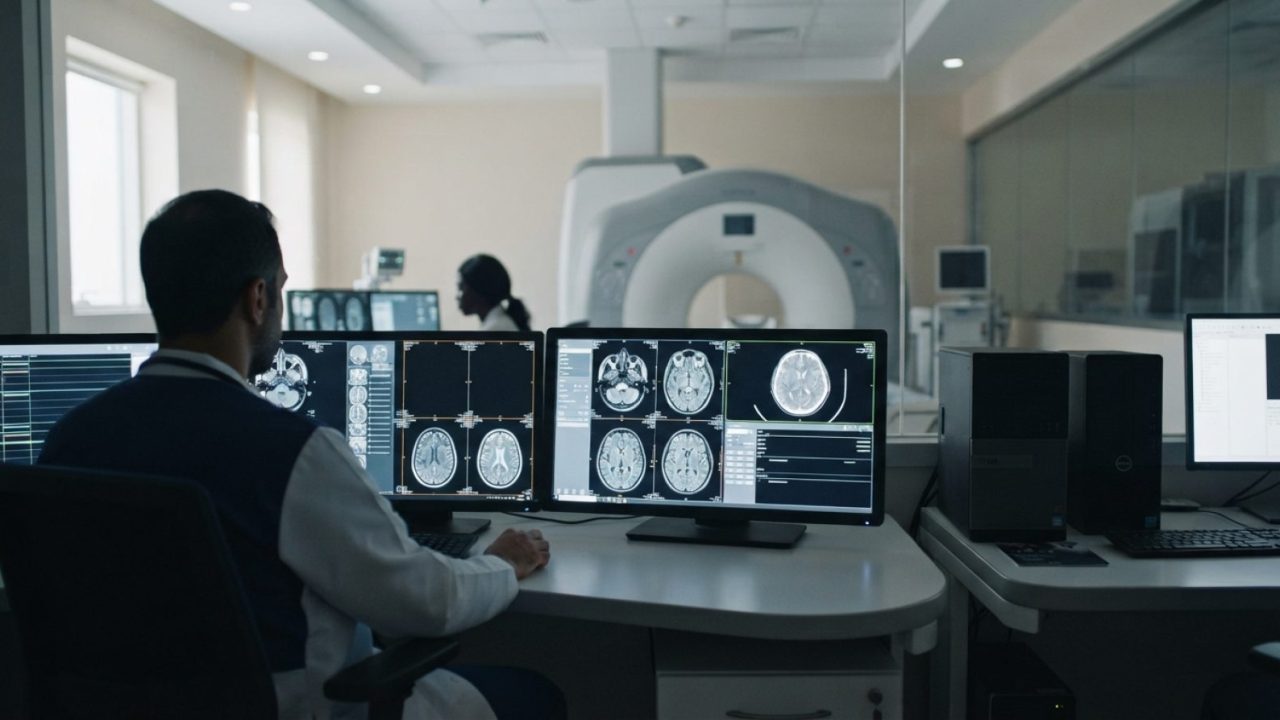
Efforts to integrate artificial intelligence into UAE clinical practice are being slowed by budgeting issues and insurance reimbursement challenges, according to a report by EnterpriseAM. While the UAE has spent three years working to facilitate clinical AI integration, insurance providers frequently do not reimburse for AI-driven tests, or the reimbursement process is complicated by the absence of dedicated billing codes. In addition, healthcare administrators often struggle to establish a direct financial return on AI tools, such as systems that analyze CT scans, because indirect workflow benefits are difficult to quantify during budgeting cycles.
Dr. Mohammad Fityan, Group Chief Medical Officer at UAE private healthcare group Burjeel Holdings, told EnterpriseAM that while the provider is seeing positive early results from using AI to triage head CT scans, clinical AI projects across the sector rarely move beyond pilot phases due to commercial constraints rather than technical limitations.
Data sovereignty mandates present another major barrier for healthcare AI deployment. Under UAE federal law, sensitive health information and patient records must by default be stored, processed, and retained within national borders. Meeting these requirements inside local sovereign cloud infrastructure rather than global cloud platforms requires costly domestic computing capacity and GPU resources. Bruno Occhipinti, CEO of Singapore-based digital pathology firm Qritive, noted that diagnostic cancer imaging requires between 1 GB and 3 GB of data per image, creating high infrastructure costs for domestic hospitals.
Infrastructure disruptions have also impacted deployment timelines. Qritive received conditional approval from the Abu Dhabi Department of Health in 2025 for its cancer diagnostic tool, but system rollouts beyond a pilot at Cleveland Clinic Abu Dhabi were delayed after a planned data facility suffered damage during regional conflict. Meanwhile, the UAE continues to expand foundational health networks, including Abu Dhabi's Malaffi exchange and Dubai's NABIDH network, which connects more than 1,500 facilities and 9.5 million patient records.
Sources
- EnterpriseAM · 2026-11-24