- Affected country
- —
- Location / route
- —
- Official source
- —
- Published by source
- —
- Effective period
- Not stated
- Last verified
- — — verification pending
- Status
- Active
Summary of official information. Always check the official source and follow the guidance of the authorities. UECN does not issue risk ratings; the absence of an alert does not mean that a destination is safe.
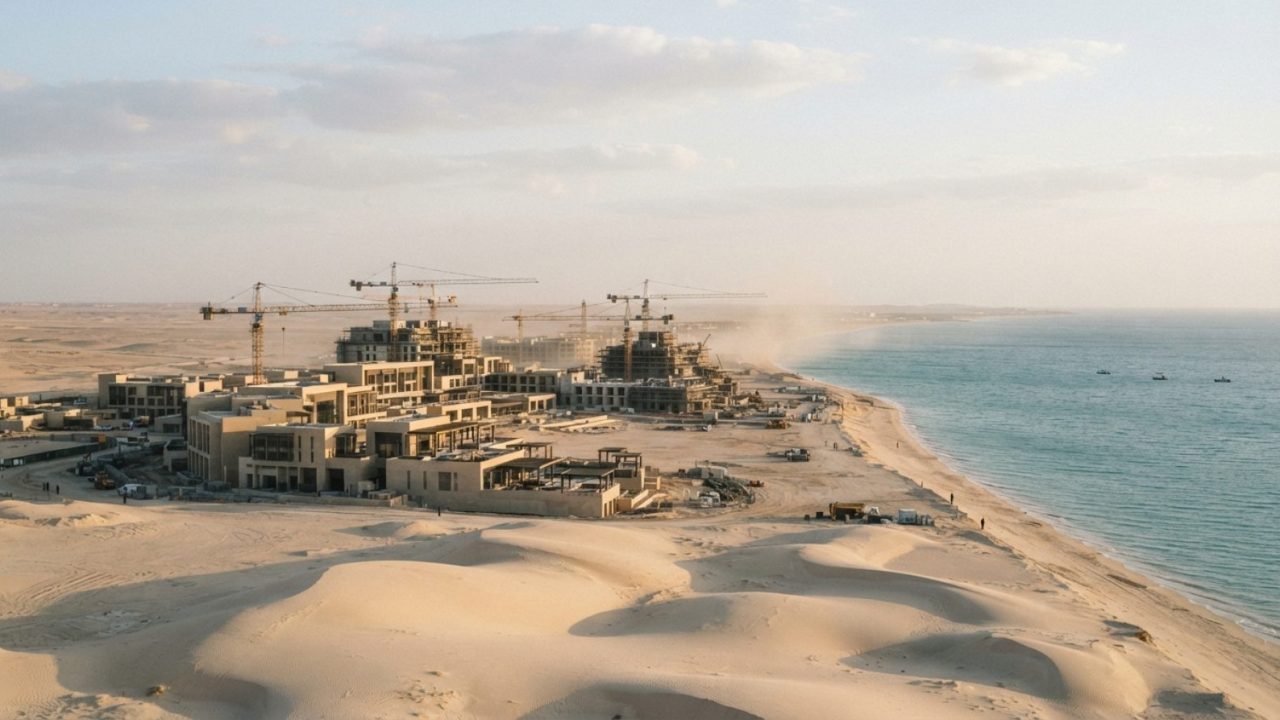
Saudi Arabia's push to transform into a major global leisure tourism hub has encountered serious challenges following regional military escalation, according to a report by The Independent. While the OECD and the UN previously recognized the country as one of the fastest-growing destinations post-pandemic—with arrivals increasing 67 percent compared to 2019 and inbound visits reaching 29.3 million in 2025—the sector has felt immediate pressure from regional volatility. Tourism contributed 5 percent of GDP in 2025, with an official target to reach 10 percent by 2030.
Regional hostilities severely disrupted travel across the Middle East in 2026. Following the outbreak of conflict in February, direct hostilities resumed in July between Houthi forces and the Saudi-led coalition. In October, missile and drone attacks struck King Khalid International Airport in Riyadh, resulting in at least 13 deaths and temporary closures before partial reopening. Consequently, the UK government issued an advisory on 17 October against all but essential travel to most of the kingdom, and against all travel within 10 km of the Yemen border, while the US issued a level-three 'reconsider travel' advisory and ordered non-emergency personnel to depart. First-quarter statistics for 2026 showed a 13 percent drop in inbound arrivals compared to 2025.
The security environment has created headwinds for large-scale developments financed by the Public Investment Fund (PIF) and private investors. Over 50 global hotel brands have expanded into the Red Sea region over the last five years, alongside investments in AlUla, Amaala, Diriyah, and Qiddiya. However, several flagship undertakings had already begun scaling back before the conflict, including Neom's 170-kilometer project The Line and the Trojena ski resort.
Alice Gower, an expert at Azure Strategy, told The Independent that recent attacks represent a serious blow to Vision 2030 by raising costs and threatening the country's reputation as a secure destination. Nevertheless, she projected that Saudi authorities will maintain project momentum to demonstrate that the kingdom remains open for business and to avoid conceding a psychological victory to regional adversaries.
Sources
- The Independent · 2026-11-16