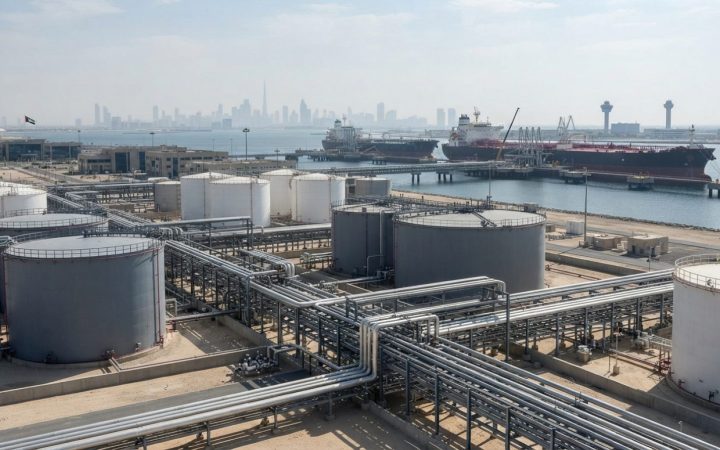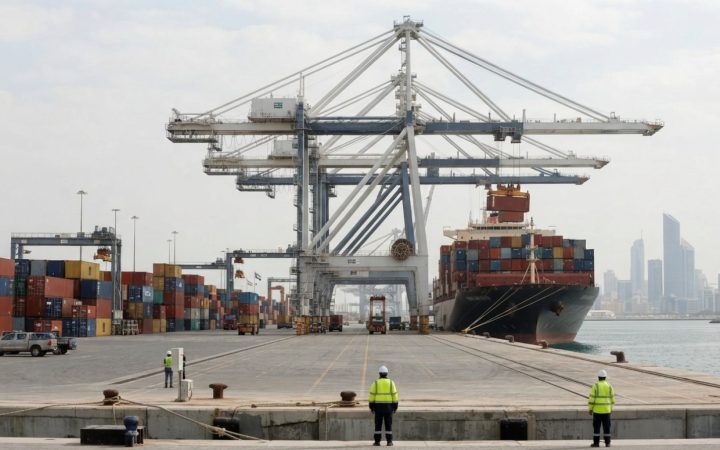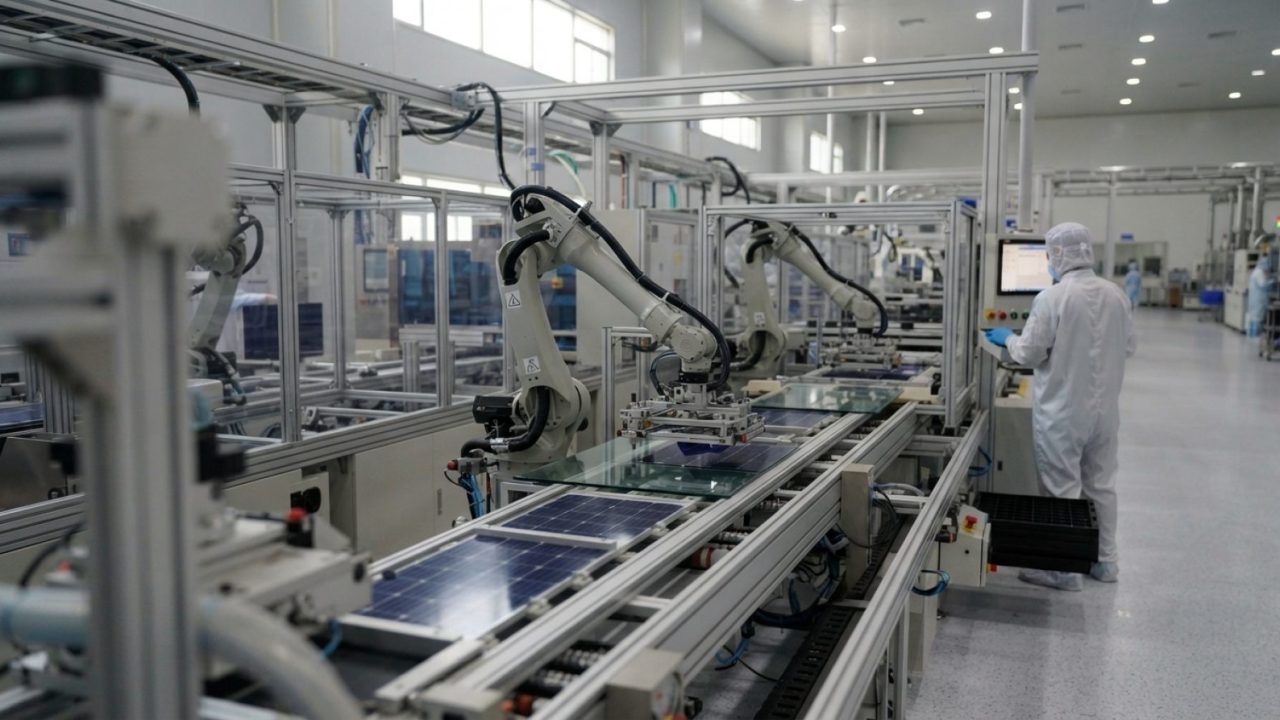
In late February 2026, geopolitical escalations in the Middle East disrupted approximately one-fifth of global oil and gas transit, triggering sharp crude price increases and leading importing nations to accelerate demand for alternative energy solutions, according to Bastille Post citing reports from CNN. In response to fossil fuel shocks, international markets turned heavily toward Chinese green technologies, specifically solar panels, lithium batteries, and electric vehicles.
Trade data compiled by energy think tank Ember showed that China's solar technology exports reached a record 68 gigawatts (GW) in March 2026, representing a 50% increase over the previous record set in August 2025 and matching Spain's entire installed solar capacity. In the same month, Chinese solar cell exports reached $9.1 billion, an 84% year-on-year increase, while 50 countries set all-time monthly records for solar equipment imports from China, led by emerging economies across Asia and Africa.
According to InfoLink data cited in the report, Chinese solar module exports to Africa climbed 235% year-on-year to 4.41 GW in March 2026, while export value to Southeast Asia increased 267% year-on-year, with import volumes to the Philippines nearly quadrupling. Over the first half of 2026, clean-tech products accounted for 6.6% of China's total exports, totaling $140 billion and nearing the combined export value of traditional sectors including clothing, furniture, and home appliances.
Supply chain metrics cited from People's Daily showed that by the end of 2025, China accounted for 96% of global polysilicon capacity, 96.2% of silicon wafer capacity, 91.3% of solar cell output, and 80.1% of finished photovoltaic module manufacturing. China also added 317 GW of new domestic solar installations in 2025, bringing cumulative national capacity above 1.2 billion kilowatts.
Sources
- 巴士的報 · 2026-10-27