A study commissioned by London-based thematic equity manager Robocap found that a majority of professional investors expect the United States to cede sole dominance in artificial intelligence within five years to share the top position with China. Conducted in May 2026 by independent research firm Pureprofile, the survey covered 100 senior executives at pension funds, insurance asset managers, family offices, and wealth managers managing a collective $513 billion across eight markets, including the UAE, Saudi Arabia, the US, the UK, Singapore, Hong Kong, Germany, and Switzerland.
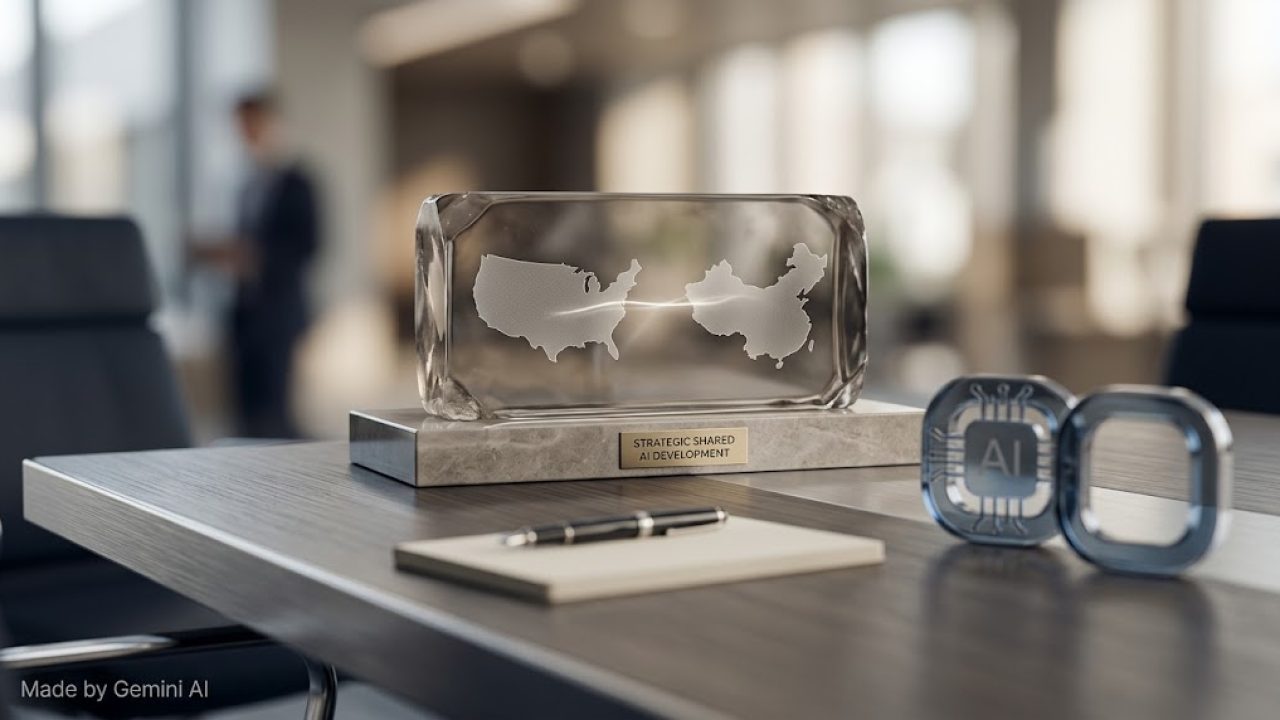
According to the findings, 56% of respondents project that the US and China will serve as joint global AI leaders by 2031, while 33% expect the US to retain sole leadership, and 2% anticipate China overtaking the US outright. An additional 8% anticipated a third country or regional bloc emerging as a leader, reflecting investment programmes in the Gulf and Southeast Asia. The study highlighted that Chinese gains in patent volume, research graduates, and applied robotics are narrowing the gap, while the US maintains an advantage in private capital, frontier model design, and high-end semiconductor architecture.
All respondents stated they expect the UAE and Saudi Arabia to make meaningful progress toward their ambitions of becoming global AI research and data-centre hubs, with approximately 60% describing their prospects as very successful. In addition, 60% of allocators stated that national AI sovereignty considerations should take priority over energy production limits when managing data-centre power demand against emissions goals.
On the regulatory front, 100% of participants agreed that AI frameworks in the UK and the European Union are overly stringent and constrain technological innovation, including 30% who strongly agreed. Robocap noted that sovereign wealth funds and institutional investors across the Gulf and Asia are continuing to allocate significant capital to domestic AI infrastructure and development.
Sources
- The Fintech Times · 2026-10-02