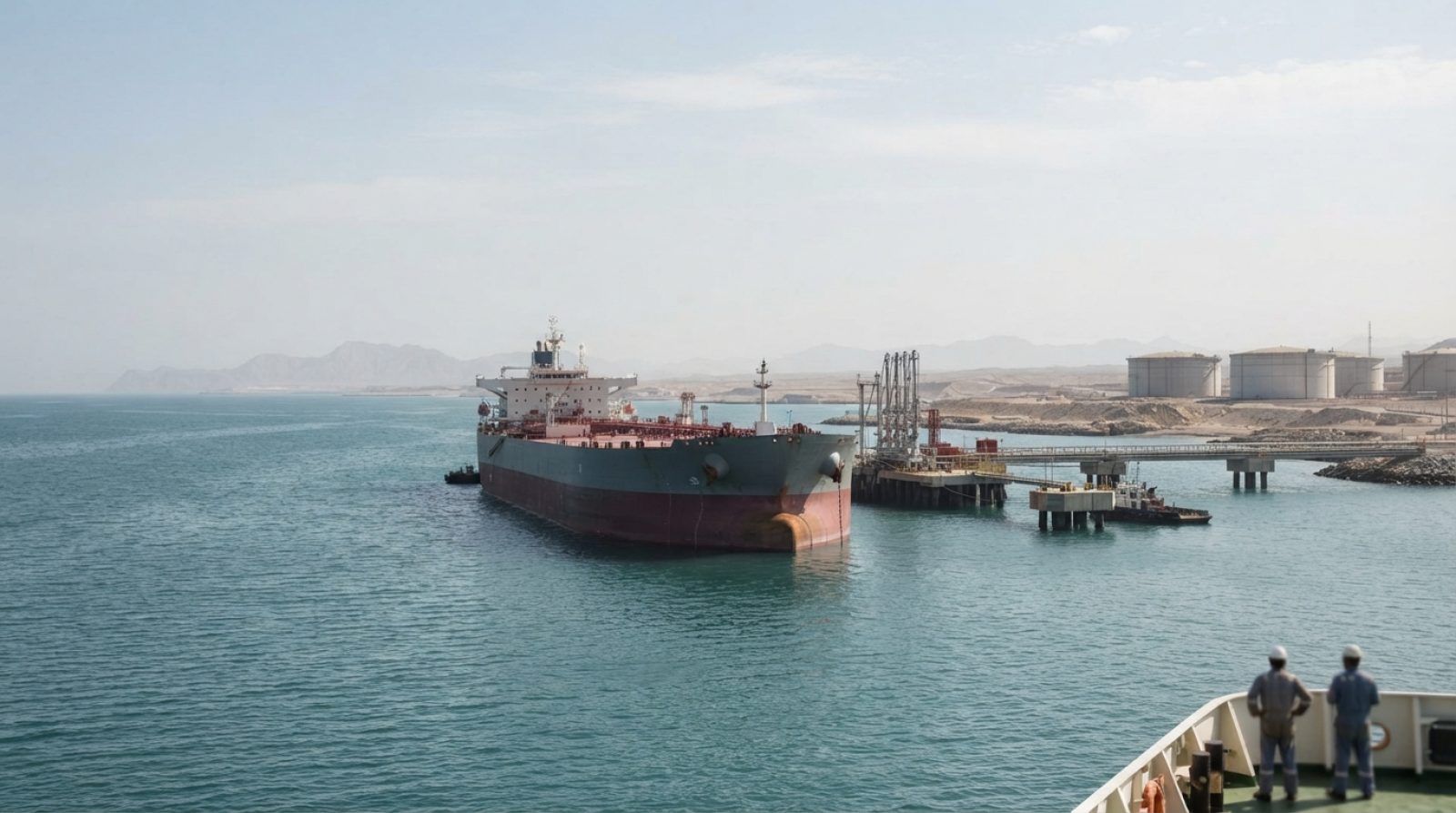
Tanker-tracking figures from intelligence firm Kpler indicate that fresh Iranian crude exports have ground to a halt, with loadings effectively dropping to zero in September, Gulf News reported. Tracking data from TankerTrackers similarly showed Iranian crude terminals were inactive for loadings throughout the month. Iran had previously accumulated approximately 67 million barrels on tankers in southern waters by mid-August, with limited access to empty vessels restricting further operations.
In contrast, oil shipments from the United Arab Emirates, Saudi Arabia, and other Arab producers experienced a strong recovery. Kpler data shows regional crude exports averaged approximately 16.5 million barrels per day across September, before jumping to roughly 19.5 million barrels per day in the month's final week, surpassing pre-conflict levels of about 17 million barrels per day.
Regional exporters maintained maritime flows by utilizing alternative pipelines, ship-to-ship transfers, and naval escorts. According to U.S. Energy Information Administration data cited in the report, Saudi Arabia activated its 1,200-kilometer East-West pipeline with a capacity of up to 5 million barrels per day, while the UAE connects inland fields to Fujairah on the Gulf of Oman via a 1.5 million barrel per day pipeline.
Kpler noted that Iran entered the period exporting roughly 2 million barrels per day of crude and refined products, volumes that have now largely disappeared from international markets. Data from the EIA noted that in 2022, approximately 82% of crude oil and condensates transiting the Strait of Hormuz were bound for Asian destinations.
Sources
- Gulf News · 2026-10-02