- Affected country
- —
- Location / route
- —
- Official source
- —
- Published by source
- —
- Effective period
- Not stated
- Last verified
- — — verification pending
- Status
- Active
Summary of official information. Always check the official source and follow the guidance of the authorities. UECN does not issue risk ratings; the absence of an alert does not mean that a destination is safe.
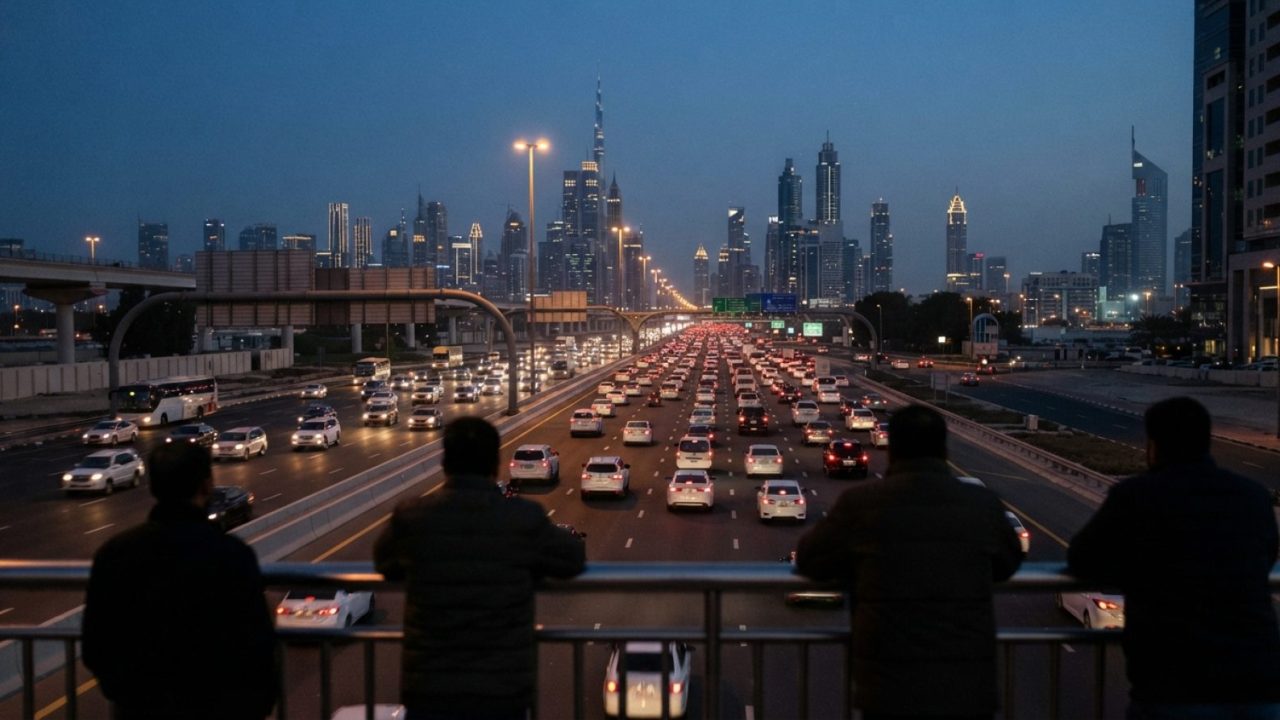
Daily life and traffic congestion have returned to normal rhythms across Dubai, including major commercial and expatriate hubs such as International City, according to an on-the-ground report by China Daily's Dubai bureau.
Economic pressures are nevertheless escalating for residents and businesses. On September 30, UAE authorities announced retail fuel prices for October, representing a 16 percent year-on-year increase. The announcement prompted long queues at filling stations across the country as motorists sought to refuel before the price adjustment took effect.
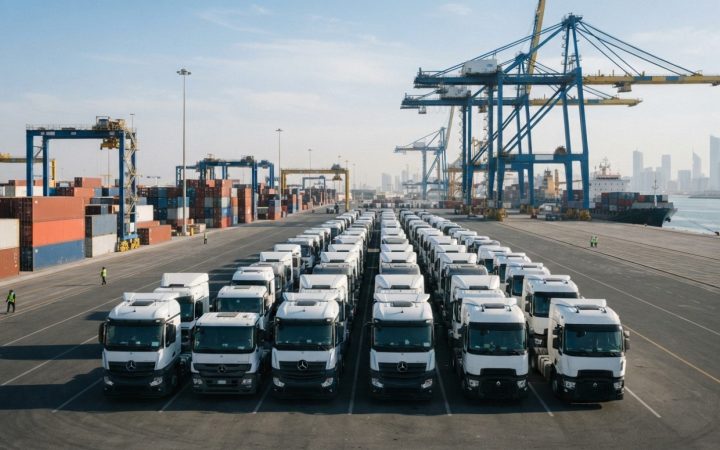
Local retailers reported that logistics disruptions across the Strait of Hormuz have significantly impacted operational costs. Shipping lines have raised freight rates and war-risk surcharges, nearly doubling overall ocean freight and cargo insurance expenses. While retailers have attempted to hold basic staple prices steady for items such as rice, flour, and cooking oil, broader retail shelf prices have absorbed the logistical overhead.
Cross-border connectivity between China and the UAE also faces headwinds. Air China recently confirmed that its flight services to the UAE will remain suspended through December 31 amid ongoing Middle East tensions.
Sources
- China Daily · 2026-10-28