China and the United Arab Emirates represent the innovation and technology model of creative sector development within the expanded BRICS+ grouping, according to a research study published by TV BRICS. Both countries are distinguished by large-scale technological infrastructure, access to capital, and centralized support programmes linked to national strategies.
Export trade across BRICS+ creative industries remains concentrated, with China and the UAE generating more than 60 per cent of total creative goods exports from the group. By comparison, Russia, Brazil, and Indonesia together account for less than 15 per cent.
According to the Global Cities Innovation Index (HSE GCII) 2024 cited in the study, Shanghai and Beijing ranked 7th and 9th respectively among global cities, emerging as primary centres for animation and technology development. The report also highlights that China ranks second globally in late-stage venture capital financing, patent applications, and supercomputer performance.
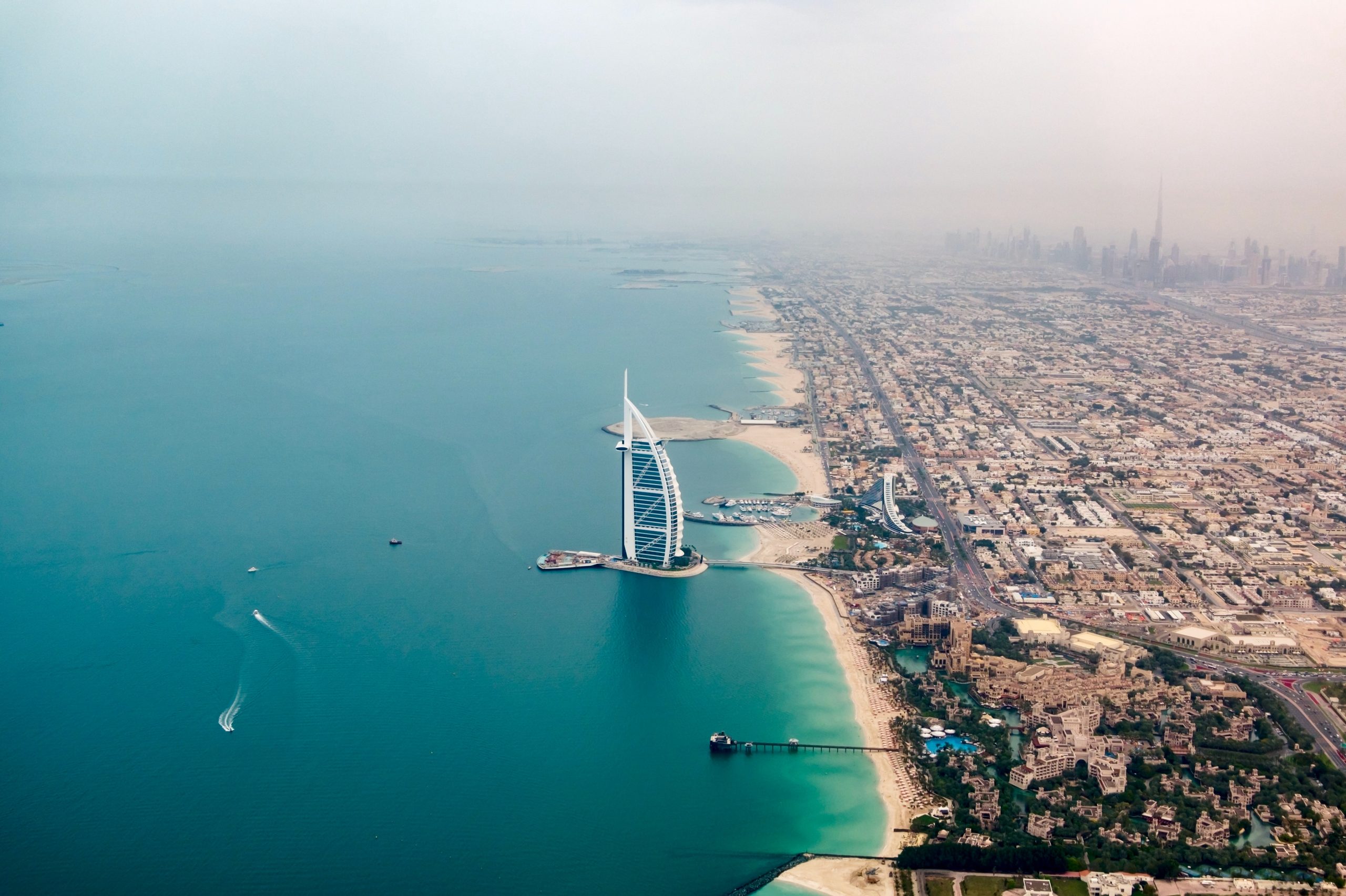
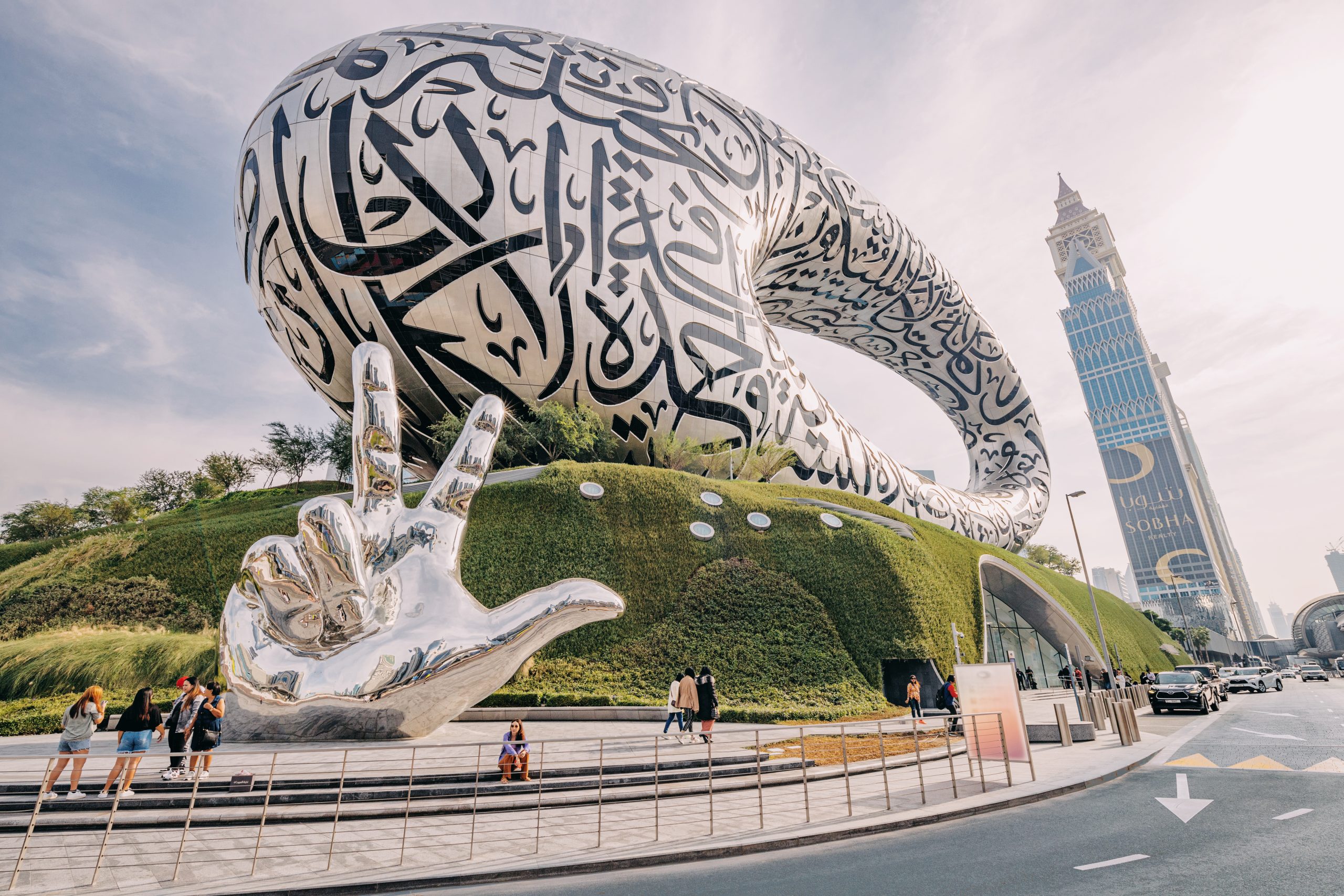
The UAE climbed to 30th place in the Global Innovation Index (GII) 2025, reaching a historic peak. The report notes that Dubai acts as a major international financial and creative hub, supporting the country's official target to increase the creative economy's share of national GDP to 5 per cent by 2031.
TV BRICS identified key structural challenges across the bloc, including uneven government assistance, financing shortfalls, production-to-export imbalances, digital inequality, and a lack of standardized comparative statistics across member markets.
Sources
- tvbrics.com · 2026-09-25