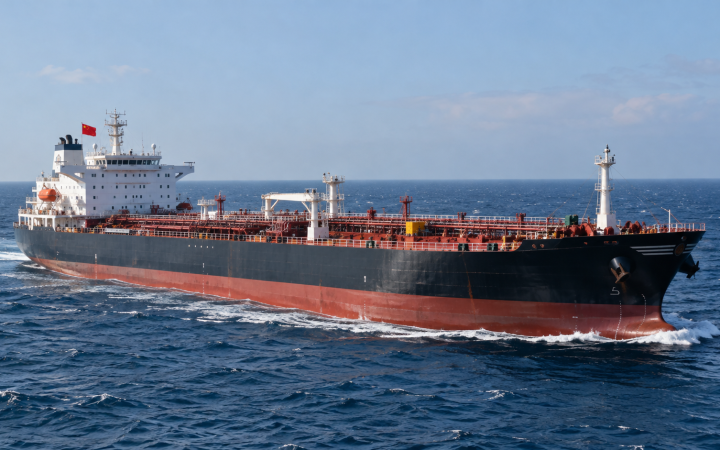
Shipping through the Arctic is expanding as regional conflict, Red Sea disruptions, and melting ice prompt maritime operators to test alternatives to established chokepoints such as the Suez Canal and the Strait of Hormuz, according to a report by Arabian Business citing data from Lloyd's List Intelligence. Transits along Russia's Northern Sea Route reached 133 in September, marking a 46 percent increase from August and more than four times the figure logged in 2022.
While Russian-flagged vessels accounted for roughly half of the September voyages, Chinese logistics companies are expanding regular commercial operations. Chinese container ship Dubai Tower sailed from Qingdao to the UK port of Felixstowe via the Arctic corridor in September, completing the voyage in 24 days. The standard equivalent trip via the Suez Canal or around Africa's Cape of Good Hope typically requires at least 40 days.
Container operator Sea Legend has advanced from initial experimental journeys to offering an almost weekly seasonal service, according to the report. Industry experts noted that the surge represents a strategic effort to secure access to emerging shipping corridors, commercial expertise, and energy supply security rather than merely seasonal vessel routing.
Commercial and logistical hurdles persist for the Arctic route despite the transit time reductions. Insurers have raised concerns regarding challenging rescue environments, patchy communication networks, and environmental spill risks. Shipowners also face higher operational expenses and ice-class requirements that offset fuel savings gained from shorter distances.
Sources
- Arabian Business · 2026-10-04