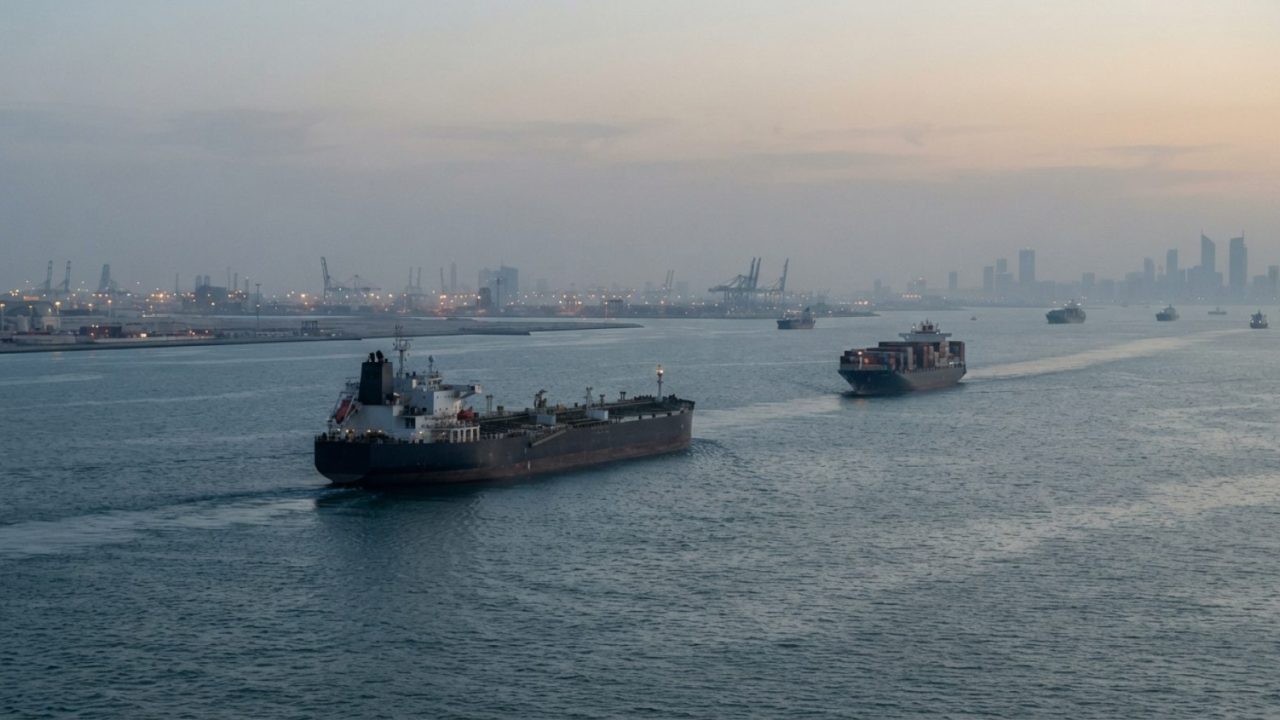
China has increased its diplomatic activity to encourage de-escalation and halt the ongoing military conflict between the United States and Iran amid growing international concern over energy security and global economic stability, according to a Reuters analysis published by Voice of Emirates. Chinese President Xi Jinping recently met with the Sultan of Oman, reaffirming Beijing's call to prevent the Gulf region from becoming an arena for major-power conflict.
Chinese Foreign Minister Wang Yi has conducted a series of discussions with Iranian and Saudi officials, and Beijing is expected to dispatch a special envoy to Saudi Arabia, Iran, and Oman this month to coordinate diplomatic efforts. However, the report stated that China currently operates in the position of an "active observer" rather than a decisive mediator, while Qatar leads the latest direct efforts to prevent military escalation.
According to data from tracking firm Kpler cited in the report, China has been Iran's primary trade partner for more than ten years, purchasing over 80% of Iran's seaborne oil exports. Despite this commercial footprint, the analysis noted that Beijing lacks sufficient political or security leverage to compel Tehran to accept specific peace terms.
Beijing must also balance its ties with Tehran against its broader trade relationships with Arab Gulf states, which total approximately $300 billion annually, as well as its complex relationship with Washington. Unlike the 2023 rapprochement between Saudi Arabia and Iran brokered by Beijing, resolving the present conflict requires direct negotiations with the United States or direct pressure on combatants.
The report added that Tehran has linked the reopening and normalization of maritime traffic in the Strait of Hormuz to reaching a comprehensive deal that lifts the blockade on Iranian ports, while US President Donald Trump has hinted at possible further military action.
Sources
- صوت الإمارات · 2026-11-05