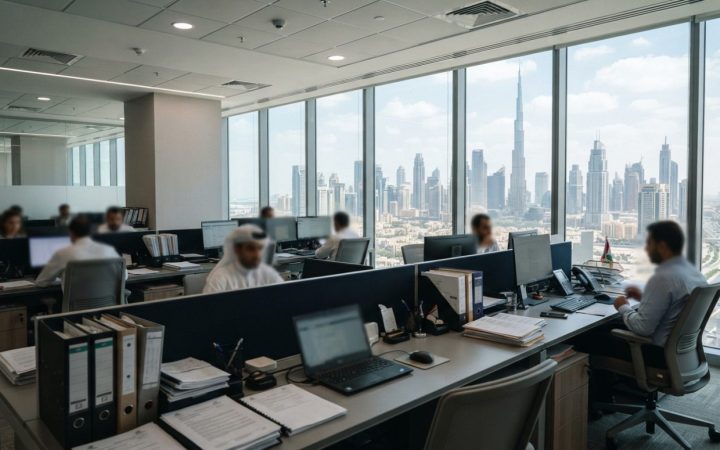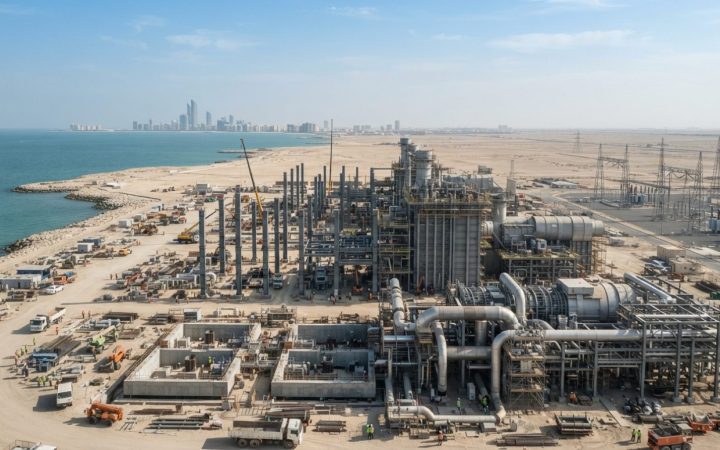
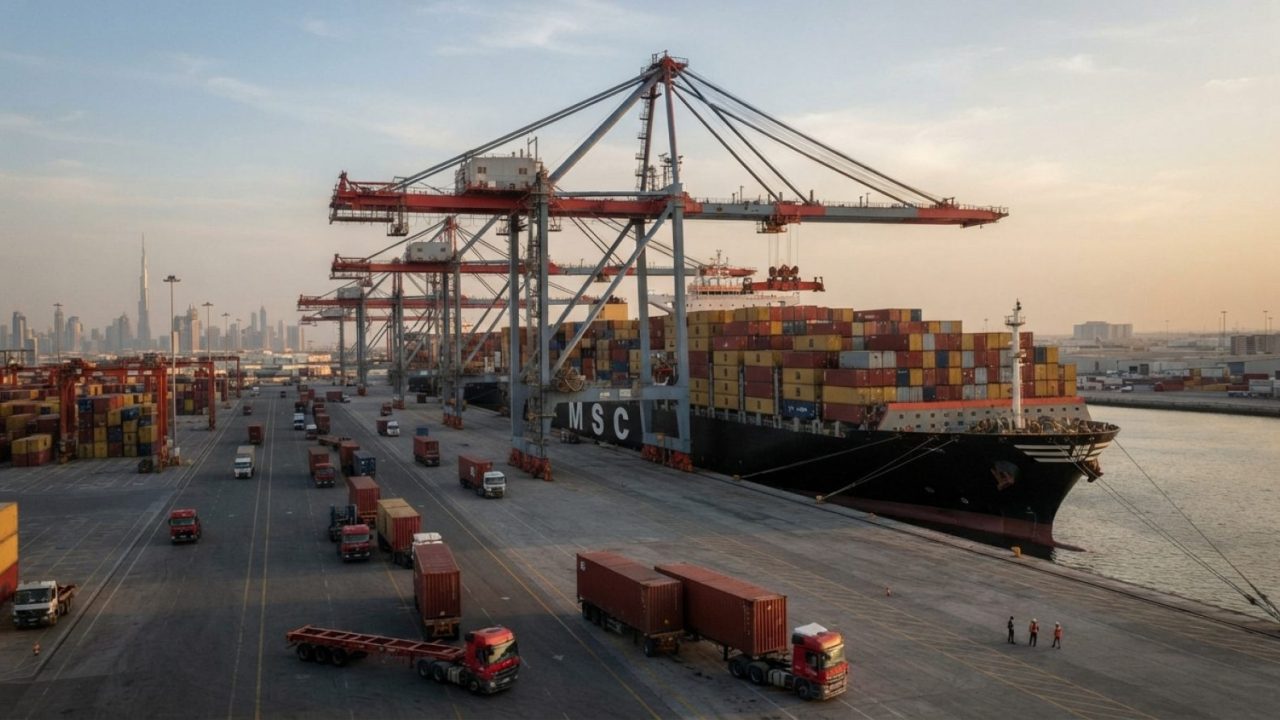
Dubai has transitioned from a regional commercial centre into a pivotal international logistics hub through sustained capital deployment in maritime ports, air hubs, warehousing, and trade infrastructure, according to Business News This Week. Situated between Asian production centres—including China and India—and consumer markets across the Middle East, Africa, and Europe, the emirate enables multinational corporations to centralise distribution operations rather than sustaining fractured regional supply networks.
At the core of the emirate's maritime connectivity is Jebel Ali Port, operated by DP World, which links commercial shipping routes worldwide. The port's integration with the adjacent Jebel Ali Free Zone (JAFZA) provides businesses with co-located manufacturing, warehousing, and distribution infrastructure, allowing operators to coordinate multimodal supply chain functions from a single base.
Air cargo operations through Dubai International Airport and Al Maktoum International Airport support the movement of high-value and time-critical goods, such as electronics, pharmaceuticals, luxury merchandise, and perishables. The integration of sea, air, and road networks, alongside the development of the UAE national railway network, provides cargo owners with flexible routing options based on transit times and transport economics.
To improve visibility and handling efficiency, logistics operators across the emirate are deploying artificial intelligence, automated warehousing systems, and advanced data analytics platforms. However, the report highlights that the industry faces sustained headwinds, including elevated operational expenditures in fuel and warehousing, geopolitical exposure across regional shipping and aviation corridors, and mounting regulatory demands to cut carbon emissions.
Sources
- Business News This Week · 2026-11-23