- Issuing authority
- UAE Cabinet
- Jurisdiction
- United Arab Emirates
- Effective date
- January 1, 2025
- Stage
- Final rule
- Official document
- Cabinet Decision No. 142
- Official source
- news.google.com
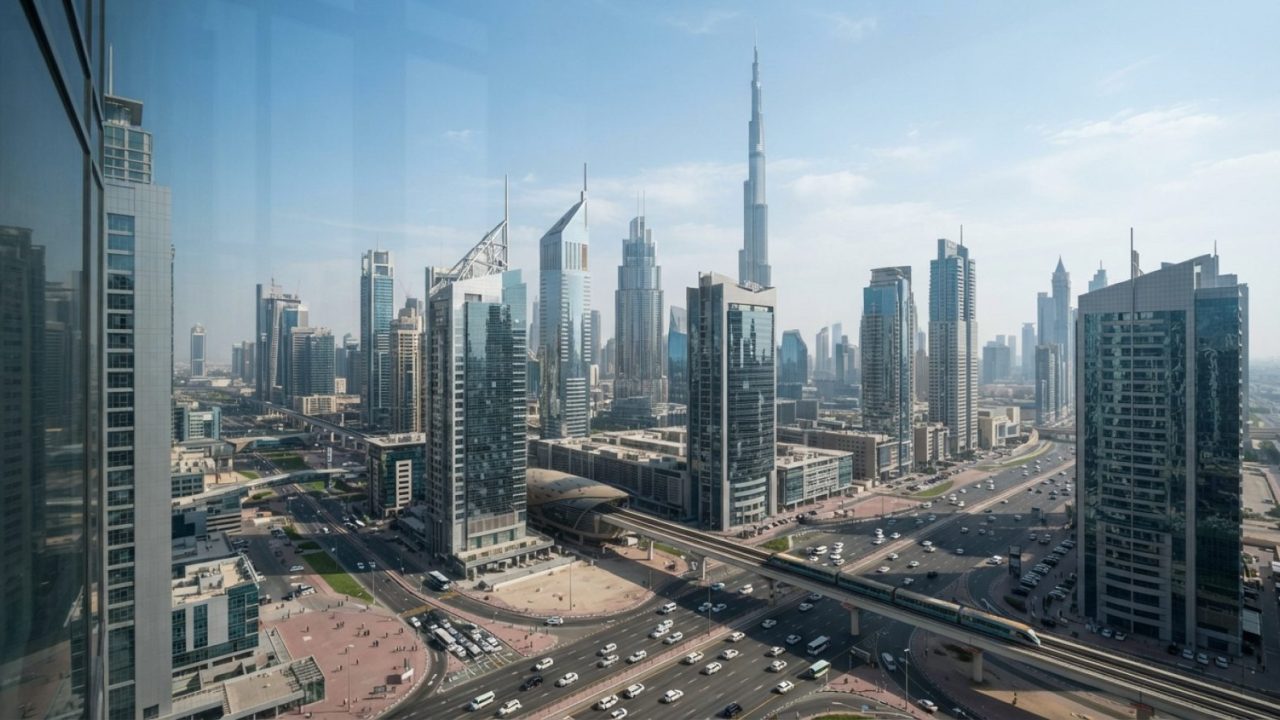
According to a legal chapter authored by CVML Limited in the ICLG Foreign Direct Investment Regimes 2027 guide, the UAE's foreign direct investment (FDI) environment has transitioned from headline policy announcements to day-to-day implementation and regulatory enforcement. International investors and counsel must now account for specific corporate group structures, operational substance profiles, and regulatory clearance procedures rather than focusing solely on broad market liberalisation.
Citing data from UNCTAD's World Investment Report 2026, the report states that the UAE recorded inward FDI flows of USD 48.243 billion in 2025, up 5.7% from USD 45.637 billion in 2024, representing four consecutive years of record inflows and ranking ninth globally. Cumulative FDI stock reached USD 206.2 billion in 2025, with major inflows directed into manufacturing, telecommunications, and digital infrastructure.
A central legal development highlighted for multinational enterprise (MNE) groups is the implementation of the UAE Domestic Minimum Top-up Tax (DMTT), effective for financial years beginning on or after 1 January 2025. The regime applies a 15% effective tax rate framework for MNEs meeting the OECD Pillar Two threshold of EUR 750 million in consolidated revenue. Under Cabinet Decision No. 142, groups face a standard 15-month filing and payment window following year-end, which extends to 18 months for the transition year, establishing a deadline of 30 June 2027 for calendar year 2025 filers.
The publication also outlines state capital initiatives, noting that the UAE Cabinet approved a National Investment Fund in November 2025 with an initial capitalization of AED 36.7 billion to directly finance strategic investment opportunities. In parallel, institutional depth within the UAE financial ecosystem continues to expand, with the Dubai International Financial Centre (DIFC) reporting over 10,000 active registered companies by mid-2026.
Sources
- ICLG · 2026-11-20