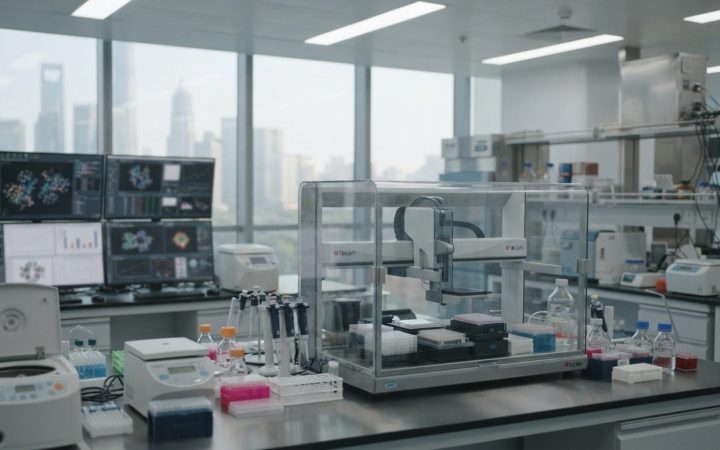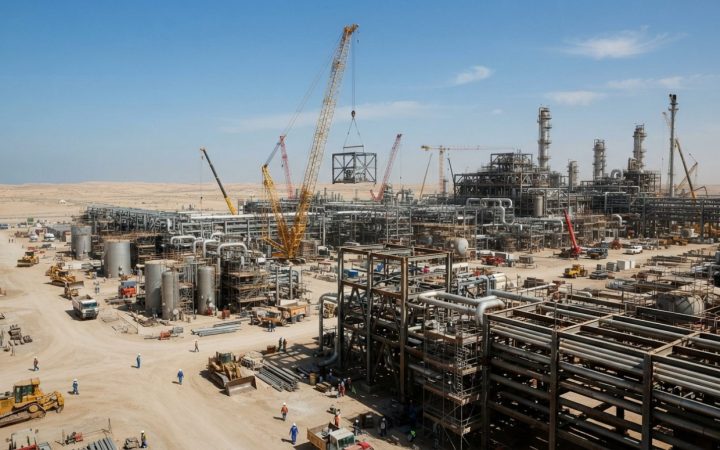
Dubai's Roads and Transport Authority (RTA) has announced that it is implementing 67 research and development projects as part of its innovation strategy through 2030, according to Emirates 24|7. The framework incorporates 13 goals and 11 initiatives designed to upgrade the emirate's mobility network, safety standards, and transport infrastructure flexibility.
Speaking at Dubai Future Week, Engineer Muna Al Osaimi, Executive Director of Strategy and Corporate Governance at the RTA, stated that the strategy rests on four primary pillars: safety, future technologies for easy mobility, sustainability, and operational excellence. Among the energy initiatives is the Vortex Clean Energy project, developed in partnership with Future Solution, an unnamed German university, and local universities. The project aims to harness roadside wind energy through turbines capable of generating up to 25 megawatts to power traffic signals and light poles, with field testing scheduled from late December 2026 through mid-2027.
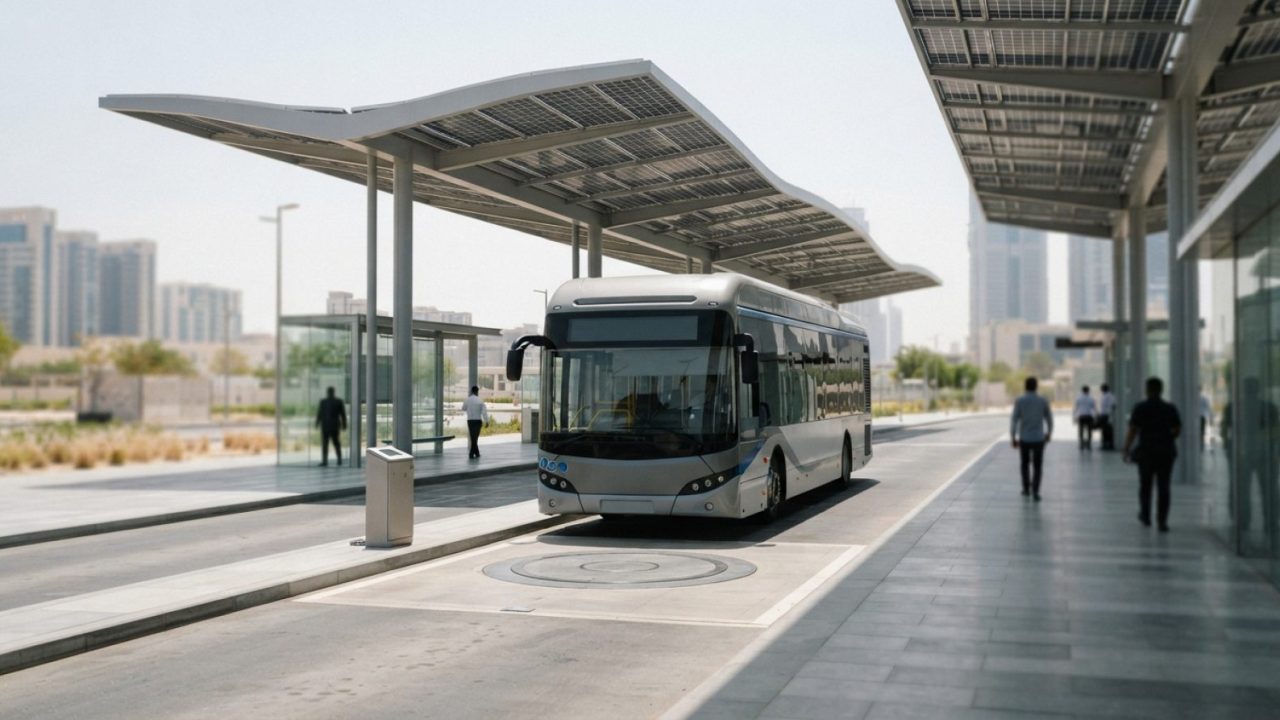
In public transit, the RTA is testing under-road wireless charging systems at bus stations to support Dubai's goal of transitioning to zero-emission public transport by 2050, allowing electric buses to recharge while halted. Additionally, the authority is exploring piezoelectric systems mounted on Dubai Metro tracks to capture train vibrations and convert them into electricity for sensor networks and the main grid.
The research agenda also addresses climate adaptation and urban planning. The RTA is trialling a hybrid solar and sidewalk cooling system across three stations in Dubai's Al Khawaneej area, alongside a research initiative with Khalifa University, New York University Abu Dhabi, and Rabdan Academy to model shaded pedestrian routes to metro stations. Further collaborations include testing illuminated road markings with the University of Wollongong in Dubai and analysing commercial food delivery mobility patterns with Khalifa University to optimise transit networks.
Sources
- Emirates 24|7 · 2026-11-18