- Issuing authority
- US Government
- Jurisdiction
- United States
- Publication date
- November 16, 2026
- Stage
- Final rule
- Official source
- news.google.com
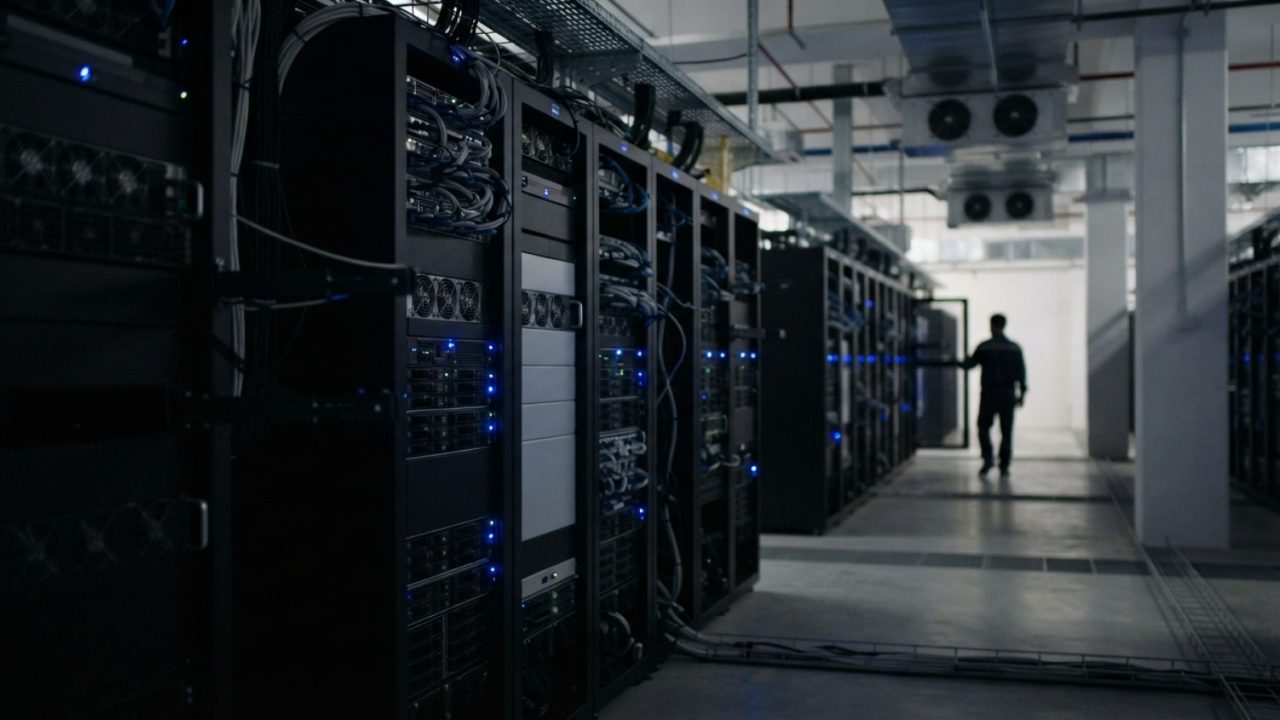
Washington has introduced new restrictions targeting Chinese companies' access to advanced US artificial intelligence chips through overseas data centres, according to an analysis by Saxo Bank Chief Investment Strategist Charu Chanana. The new rules impose additional licensing requirements affecting data centres and advanced chip shipments to Singapore, Malaysia, Thailand, Indonesia, and Brazil, while providing exemptions for qualifying US companies.
Saxo Bank noted that the measures mark an escalation by moving beyond physical chip sales to controlling remote access to computing power. The firm reported that overseas data-centre operators reliant on Chinese clients face potential pressure on capacity utilization, pricing, and expansion plans, while Chinese AI developers encounter rising model-training costs and slower timelines.
The analysis observed diverging trends within Chinese equities: domestic semiconductor manufacturers such as SMIC and Hua Hong have seen investor interest driven by local self-sufficiency expectations, while AI developers like Z.AI and MiniMax face elevated compute expenses. Diversified platforms including Alibaba, Tencent, and Baidu may also face margin pressure on AI investments due to rising computing costs.
For US suppliers, Saxo reported that China and Hong Kong accounted for approximately US$7.9 billion, or 8.2% of Nvidia's revenue, in the second quarter of fiscal 2027. While Nvidia's forward guidance already assumes zero direct Data Center compute revenue from China, Saxo cautioned that curbs on third-country data centres could dampen future demand for AI chips, cloud infrastructure, and networking hardware from vendors including AMD and Broadcom.
The report also cited Nikkei Asia reporting regarding concerns among Chinese developers that Washington could eventually target Chinese open-source and open-weight AI models, such as those developed by DeepSeek, Z.AI, and MiniMax, potentially raising global adoption costs and accelerating technology fragmentation.
Sources
- Saxo · 2026-11-17