- Issuing authority
- U.S. Department of State
- Jurisdiction
- International
- Publication date
- November 15, 2026
- Effective date
- November 15, 2026
- Stage
- Final rule
- Official document
- San Francisco Declaration
- Official source
- news.google.com
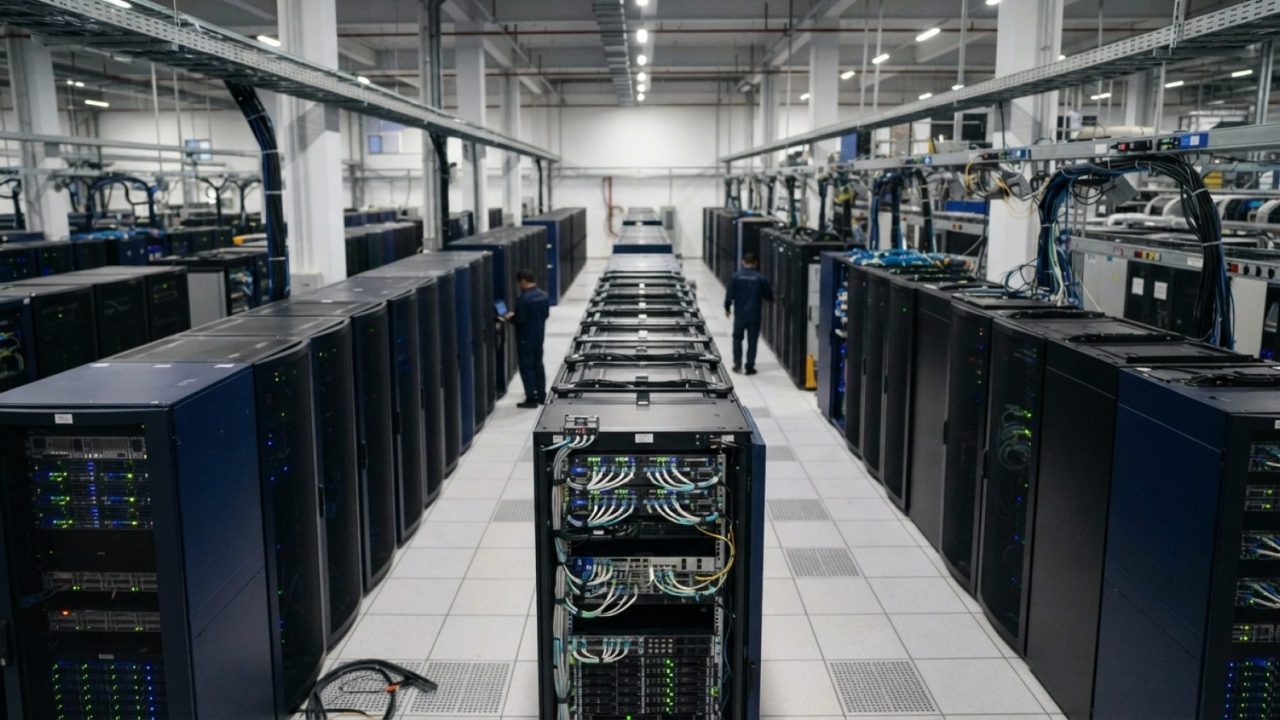
The United Arab Emirates, Israel, and Qatar have joined a United States-led agreement treating artificial intelligence infrastructure as a national security priority, Pagenews.gr reported. Signed on November 15, the San Francisco Declaration brings the three Middle Eastern countries alongside Australia, India, Japan, South Korea, Singapore, the United Kingdom, and the United States into a coalition to secure AI supply chains.
The pact expands upon Pax Silica, an initiative launched in December 2025 to reinforce supply networks spanning semiconductors, critical minerals, energy supplies, and advanced manufacturing. According to the US State Department, the agreement operates on the premise that economic security is fundamental to national security, proposing five working groups focusing on policy frameworks, AI adoption in key sectors, supply-chain cooperation, secure hubs, and resilience.
Although the declaration does not explicitly mention China, reporting by Al-Monitor cited by the publication frames the accord as part of Washington's effort to lessen dependencies on Beijing across critical minerals and hardware. The signing precedes a scheduled meeting on Thursday, November 19, between Donald Trump, Xi Jinping, and Vladimir Putin.
The agreement also follows leadership instability at semiconductor manufacturer Nvidia. Al-Monitor previously reported that Nvidia Chief Executive Jensen Huang resigned following allegations related to a suspected Chinese spy, with Chief Financial Officer Colette Kress assuming interim leadership. Pagenews.gr noted that while the executive change does not indicate an interruption of chip shipments, it adds uncertainty for Gulf state technology plans and partnerships that rely on Nvidia hardware.
Sources
- Pagenews.gr · 2026-11-17