- Issuing authority
- US Department of State / Pax Silica Initiative
- Jurisdiction
- Multilateral
- Publication date
- November 15, 2026
- Stage
- Final rule
- Official document
- San Francisco Declaration on the Secure Foundations of Enduring Prosperity
- Official source
- news.google.com
The United Arab Emirates, India, South Korea, and Qatar have signed the San Francisco Declaration on the Secure Foundations of Enduring Prosperity alongside the United States and other Pax Silica participants, Jagran Josh reported, citing confirmation from US Under-Secretary of State for Economic Affairs Jacob Helberg via the Financial Times. The declaration was signed on November 15 during a meeting hosted by Helberg.
The pact forms part of the wider US-led Pax Silica framework, which aims to strengthen collaboration among trusted global partners to protect critical technologies and artificial intelligence supply chains from potential disruptions and strategic reliance on China. The agreement establishes a shared recognition that economic security and national security are closely interconnected.
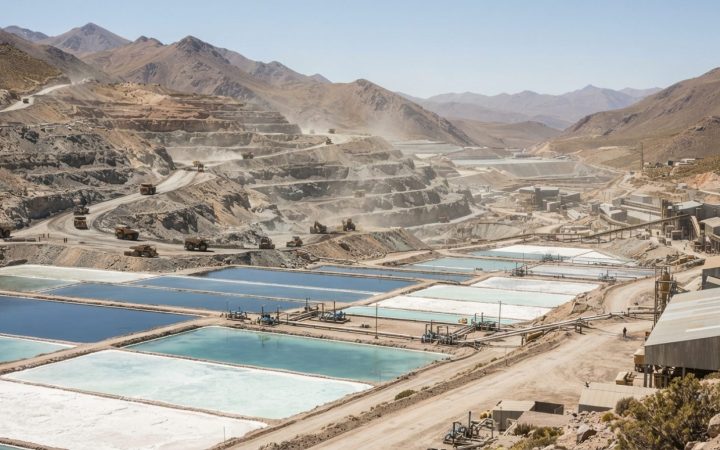
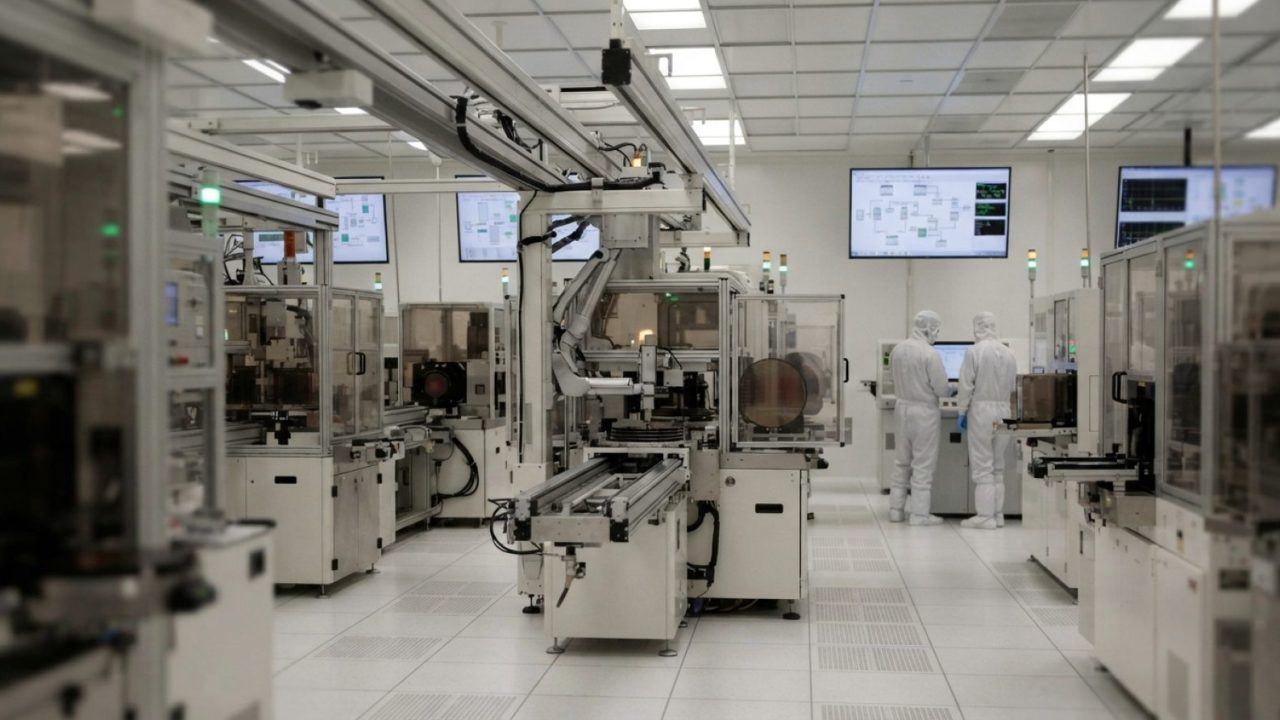
Participating countries agreed to coordinate protections across sensitive technology sectors, including semiconductor design, chip manufacturing equipment, advanced manufacturing, critical minerals, rare earths, magnets, energy infrastructure, communications networks, and logistics channels. The initiative seeks to identify critical supply chain nodes that could become vulnerable due to heavy dependence on specific foreign suppliers.
The development follows heightened scrutiny surrounding shipments of advanced Nvidia chips to China and comes amid intensifying US-China technology competition. While the US has imposed export and investment restrictions on advanced AI hardware, Chinese tech firms including DeepSeek, Alibaba, and ByteDance continue to advance domestic AI capabilities alongside China's significant position in critical mineral processing.
Sources
- Jagran Josh · 2026-11-16