In an interview with Semafor Gulf, Bob Mumgaard, Chief Executive Officer of US-based Commonwealth Fusion Systems (CFS), stated that the United Arab Emirates is well positioned to adopt commercial nuclear fusion energy. Mumgaard cited the country's oil and gas engineering expertise, its operational track record in constructing nuclear power plants, and its national embrace of artificial intelligence as key assets supporting adoption.
Mumgaard explained that CFS has previously turned to the oil and gas supply chain to manufacture large metal components and complex heavy machinery needed for its fusion machinery. Abu Dhabi has financially backed CFS through an equity investment from local entity Plynth Energy.
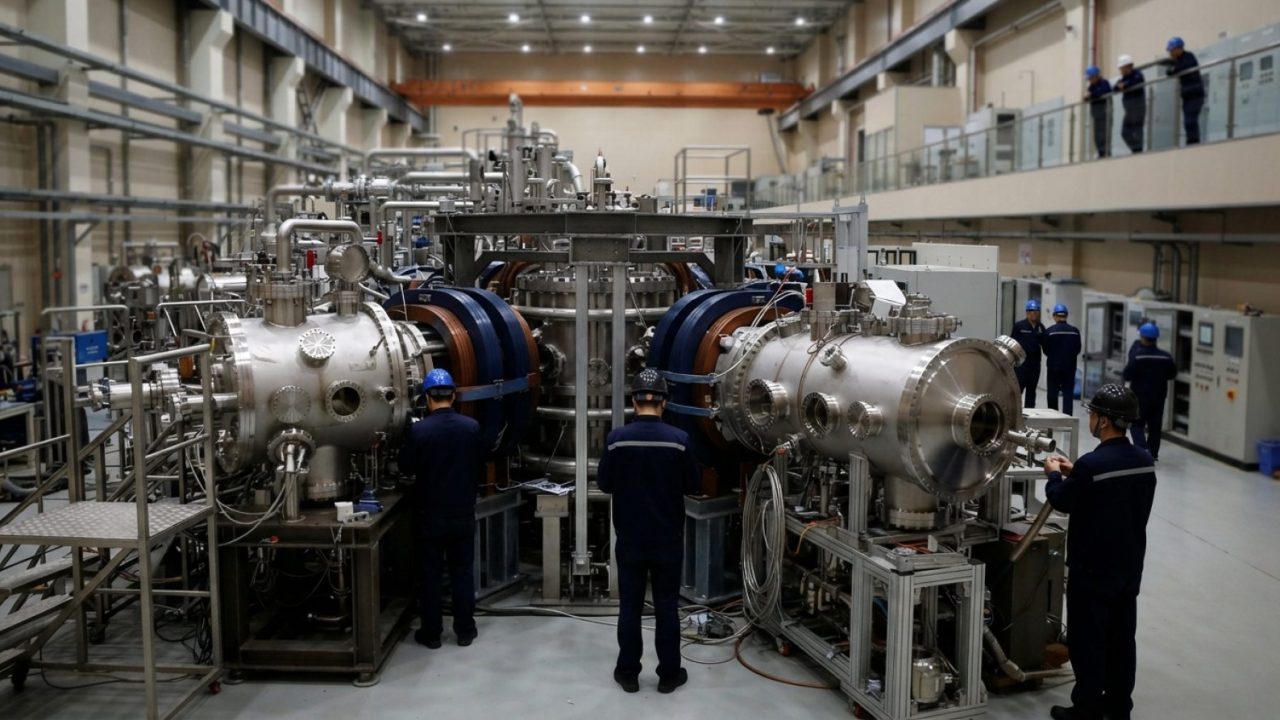
CFS's prototype fusion machine under construction in Massachusetts is approximately 80% complete and is scheduled to begin operating in 2027. The device aims to achieve net energy release by generating more energy than it consumes. Following successful prototype operation, CFS plans to build a 400-megawatt commercial plant in Virginia, with technology giant Google and Italian energy group Eni already secured as buyers.
Mumgaard also noted that regional geopolitical frictions, such as US-Iran tensions, reinforce the strategic rationale for accelerating fusion power deployment. He described fusion as an exceptionally resilient and emission-free energy system that does not depend on vulnerable pipelines or maritime fuel shipping routes.
Sources
- Semafor · 2026-11-13